


 Shkruar nga Pamfleti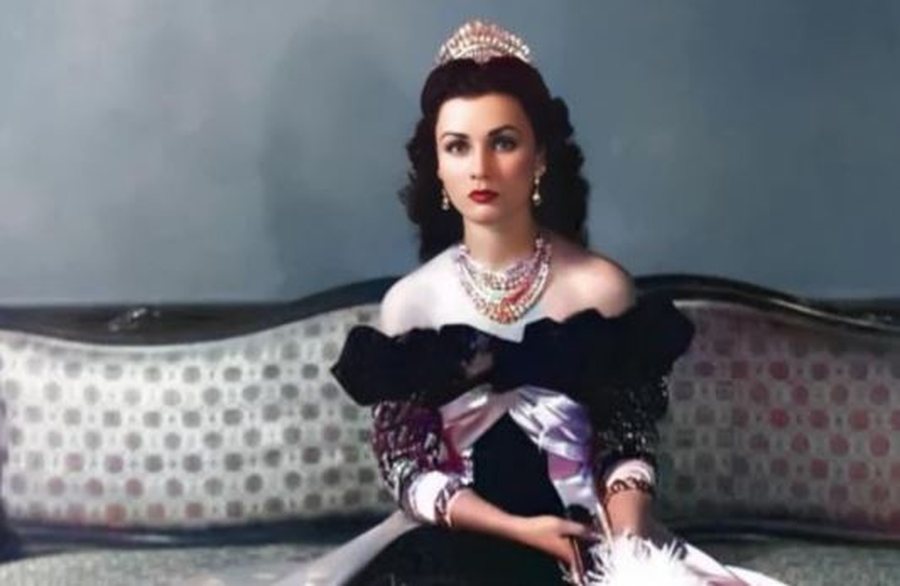
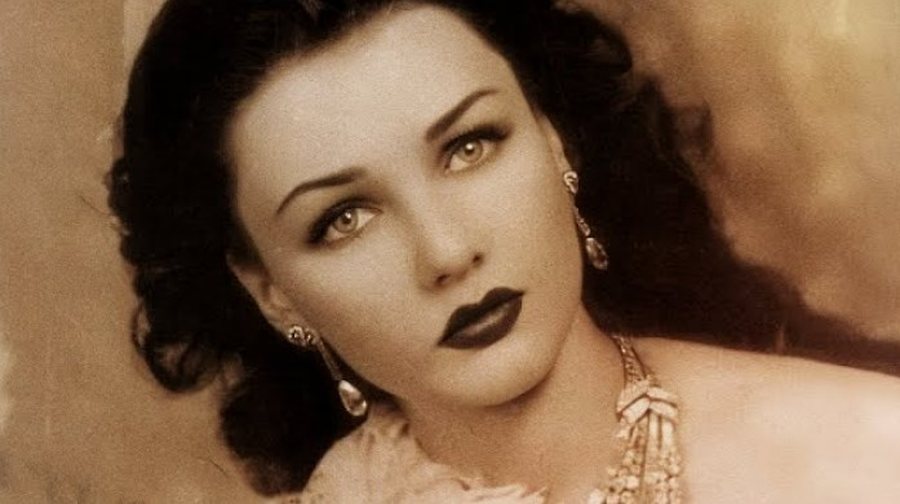
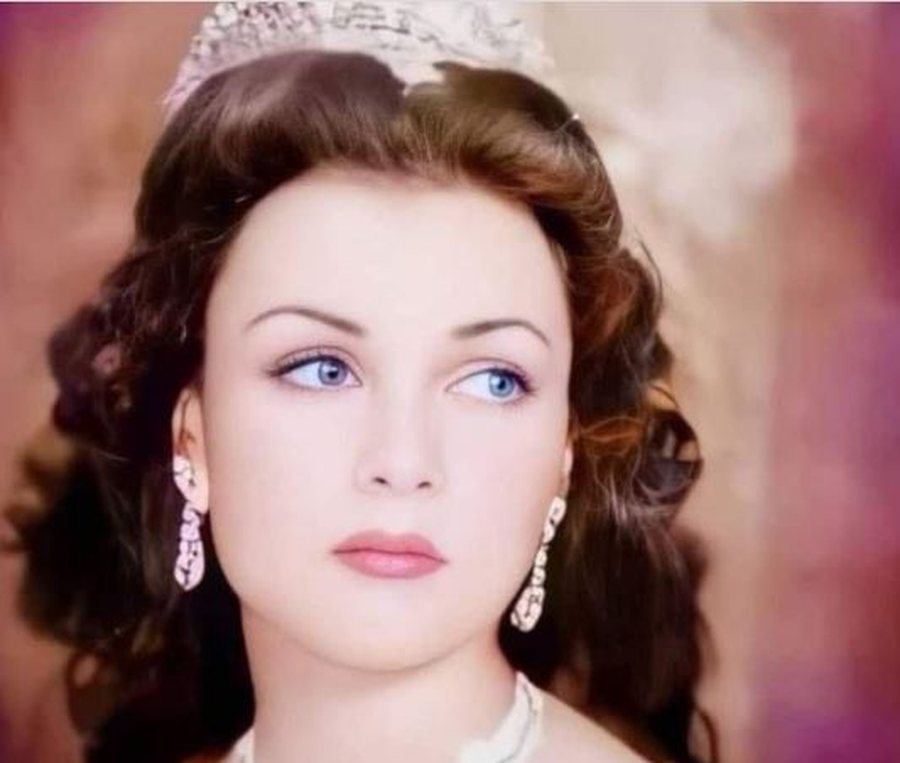
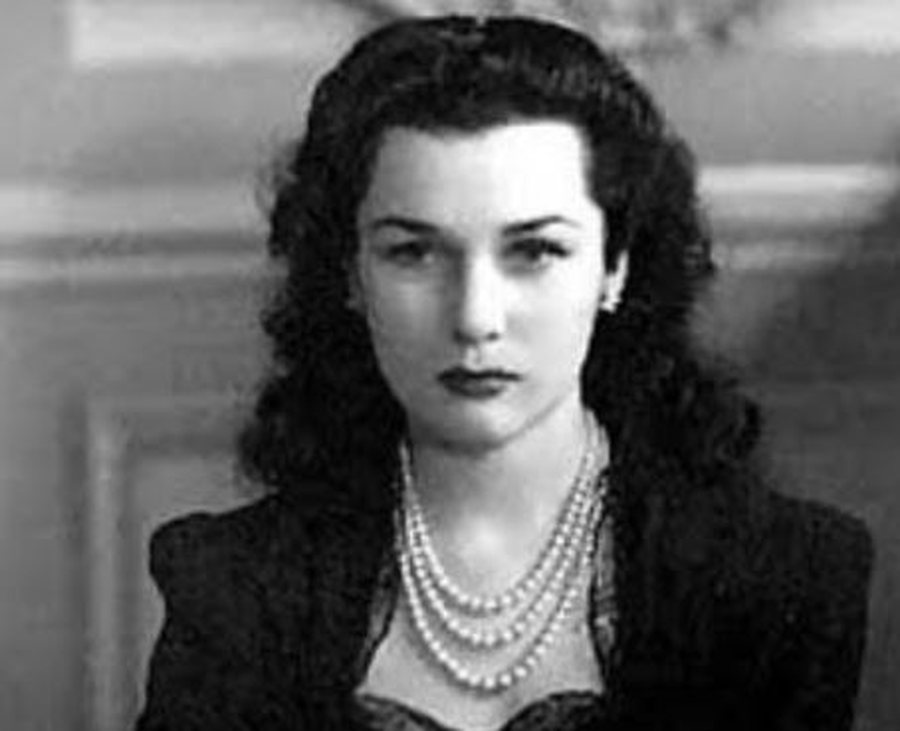
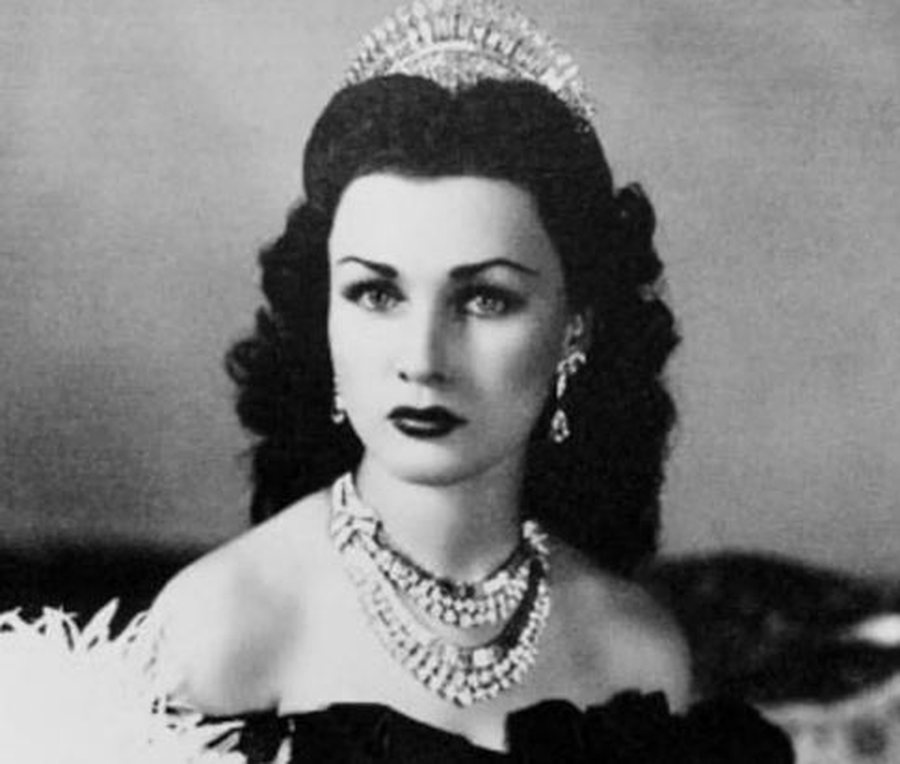
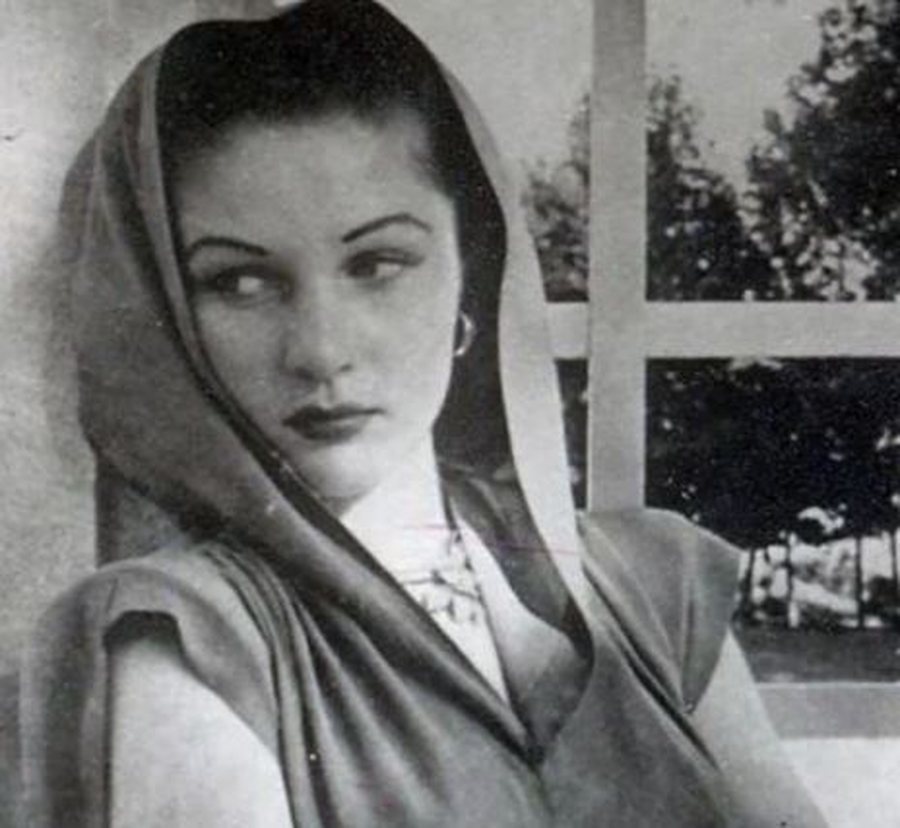
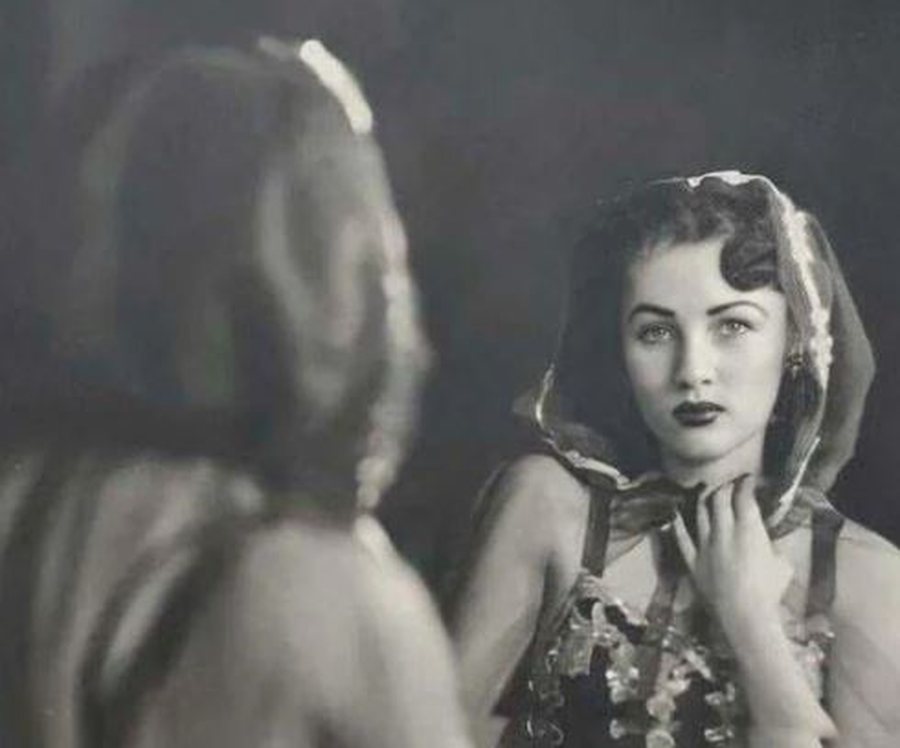
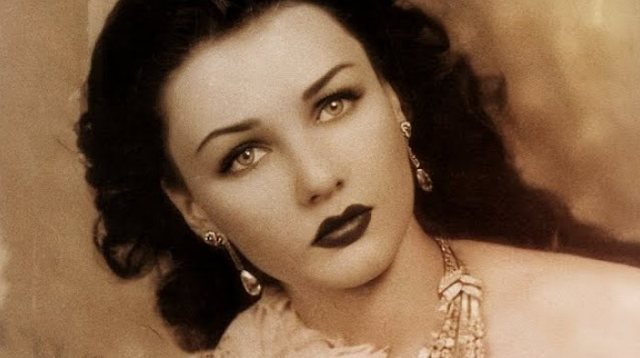
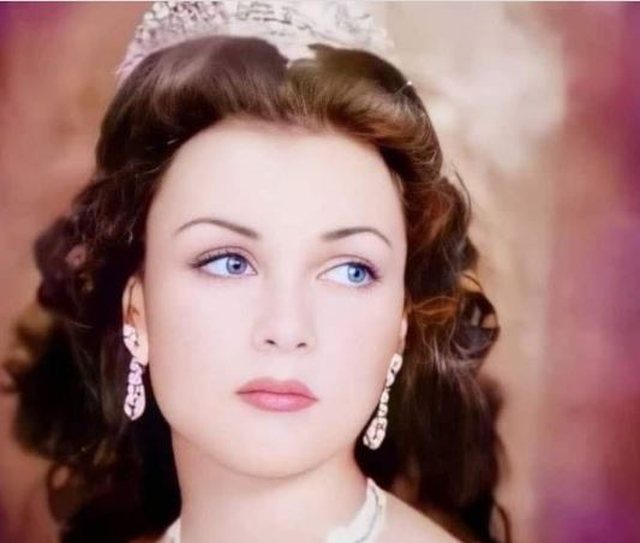
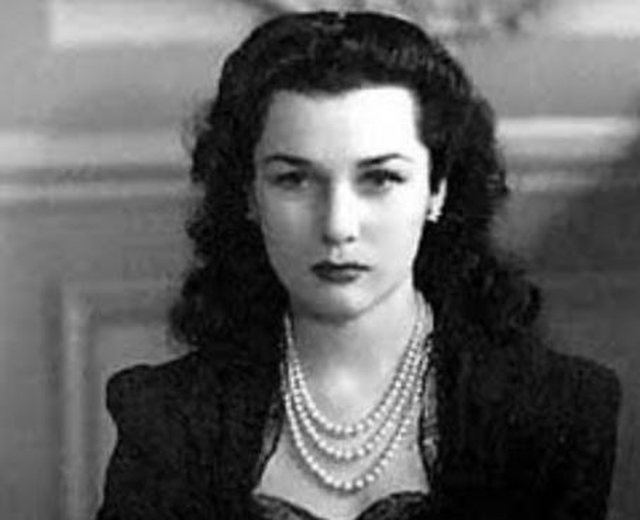
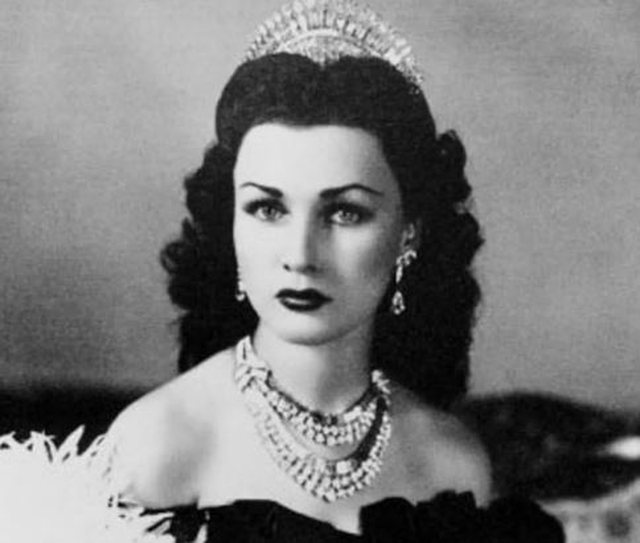
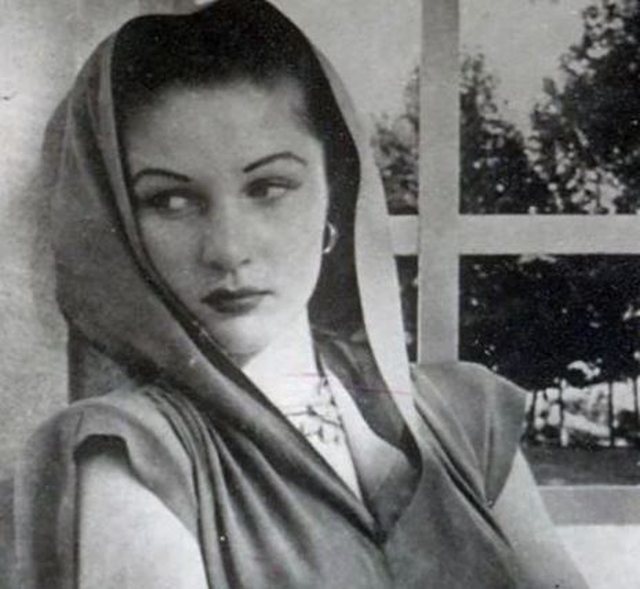
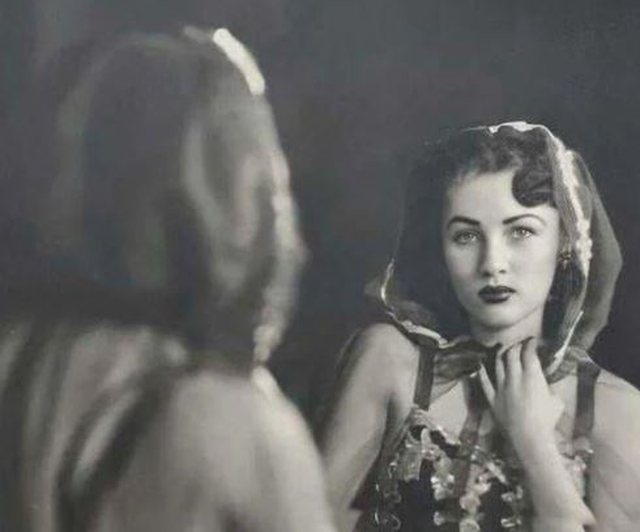
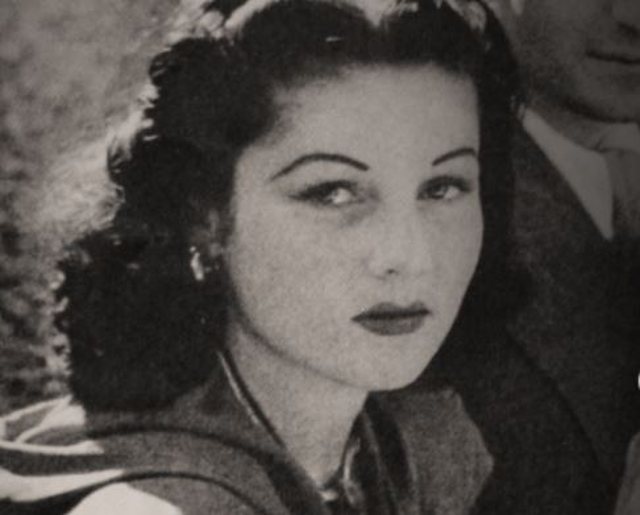
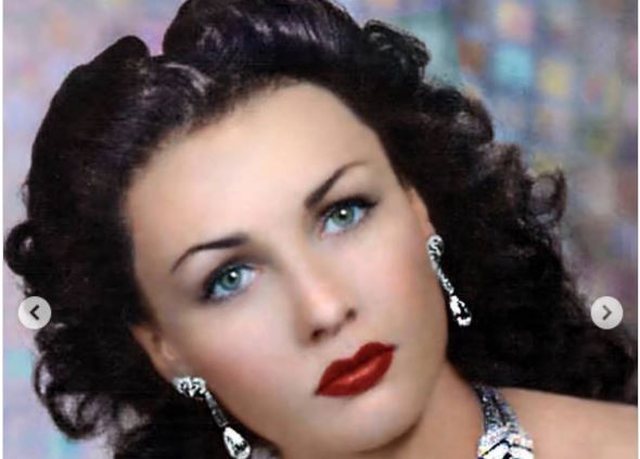
The early life of Princess Fawzia of Egypt sounds like a fairy tale. A beautiful princess with good looks compared to the iconic beauties of the time Hedy Lamarr and Vivien Leigh. She grew up in the Ras al-Tin Palace in Alexandria, much adored and coveted. Cecil Beaton, who took her portrait for TIME magazine in 1942, described her as "an Asiatic Venus", with "a perfect heart-shaped face and strangely pale but penetrating blue eyes". However, her life was not easy.
Fawzia was born on 5 November 1921, the eldest daughter of Sultan Fuad I of Egypt and Sudan (later King Fuad I) and his second wife, Nazli Sabri. Dark-haired and blue-eyed, she was of mixed Egyptian and Albanian descent, and was educated in Switzerland, making her fluent in three languages: Arabic, English and French.
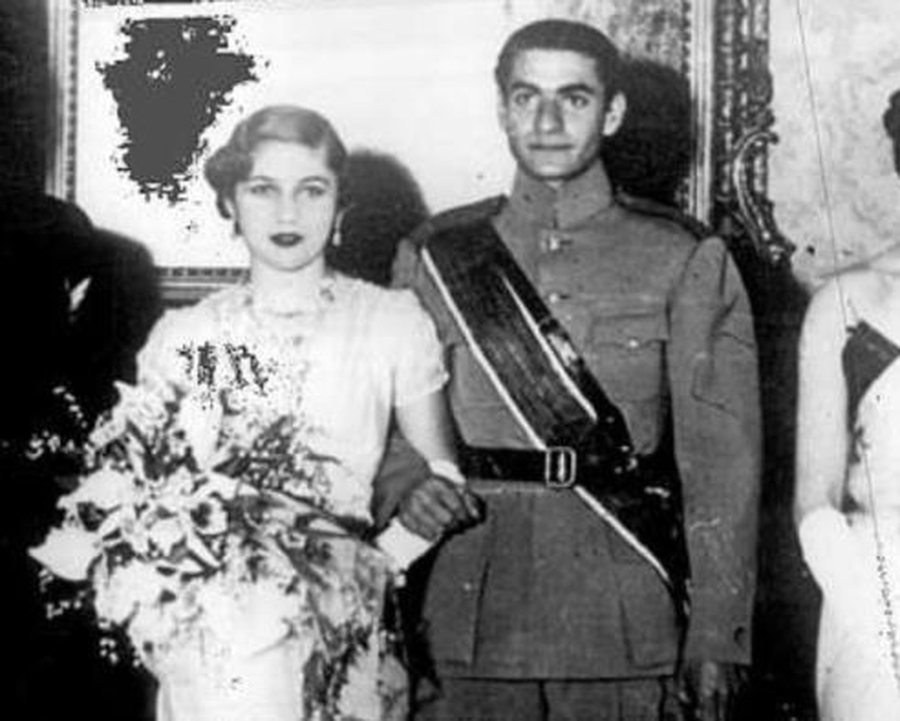
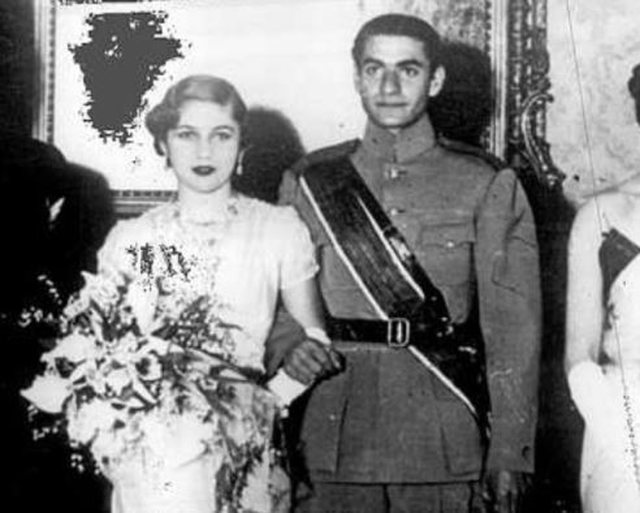
Her marriage to Crown Prince Mohammad Reza Pahlavi of Iran was a political marriage, orchestrated by the groom's father. It was notable at the time for the union of a historic royal family (the House of Ali had ruled Egypt since 1805) with a relatively new family (the Prince's father had seized power in Iran in a military coup only in 1921 ).
At first, Fawzia's brother, King Farouk, was resistant to the Shah's efforts to win his approval for a merger. In fact, he agreed only after pressure from his advisers, who saw in it an attempt to secure Egypt's position in the region. The couple met only once before their wedding day, which was at the Abdeen Palace in Cairo on March 15, 1939. It was a lavish ceremony.
In 1941, Fawzia became Empress of Iran after her husband ascended the throne following his father's exile following the Anglo-Soviet occupation of Iran.
However, with so much cultural and religious work against them, it is not surprising that the union did not work. Fawzia found life very different in Iran, having been accustomed to the splendor of her brother's court in Egypt. She complained that the French food at their wedding in Tehran was "substandard" and that the palaces were not that grand. She was also in a bad relationship with her in-laws (one of her sisters-in-law broke a vase over her head), while her husband openly developed extramarital affairs.
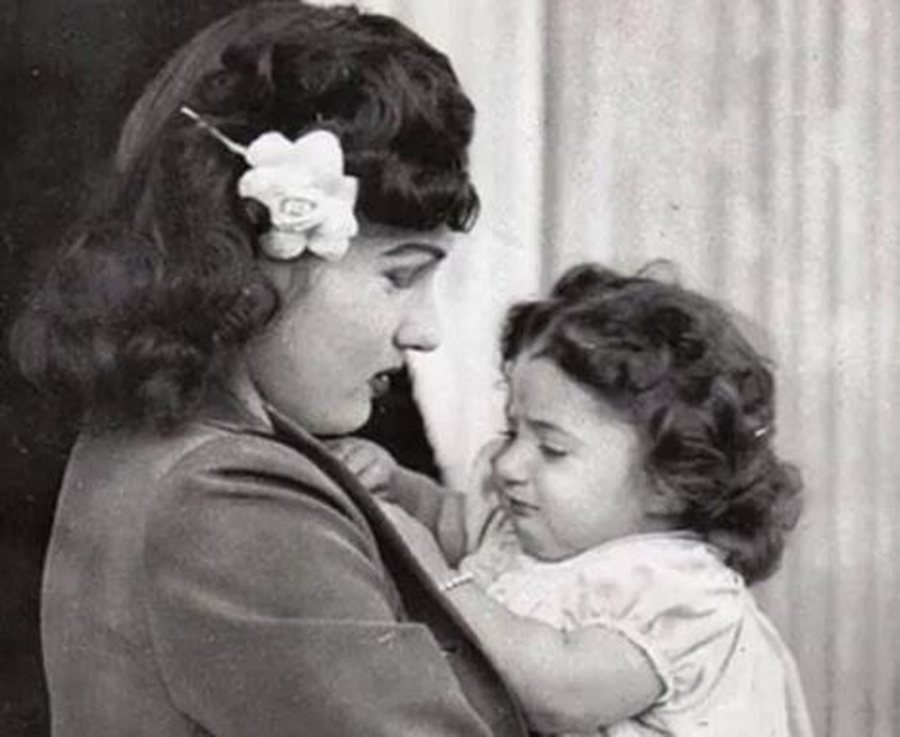
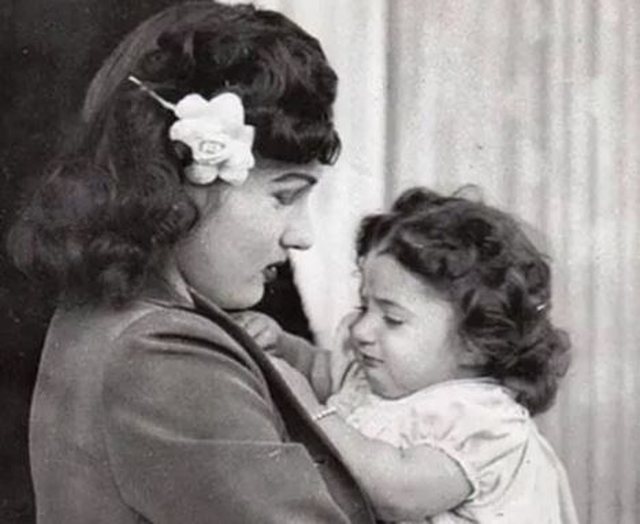
After the birth of her daughter, Princess Shahnaz Pahlavi, she withdrew from royal life, refusing to speak any language but French and becoming increasingly hostile to Iran and the Iranian way of life. She began seeing an American psychiatrist, who diagnosed her with depression.
When news of the Princess's displeasure reached Egypt, courtiers were sent to check on her.
Her brother's reaction was swift and urged her to return home. Fawzia was divorced three years after she returned to Cairo, in 1948.
Just a year later, in 1949, she married again, this time to the Egyptian aristocrat, Colonel Ismail Chirine. This time it was a love marriage and both gave birth to a son and a daughter.
Fawzia died on July 2, 2013 at the age of 91. / Who Magazine






Lini një Përgjigje