


 Shkruar nga Pamfleti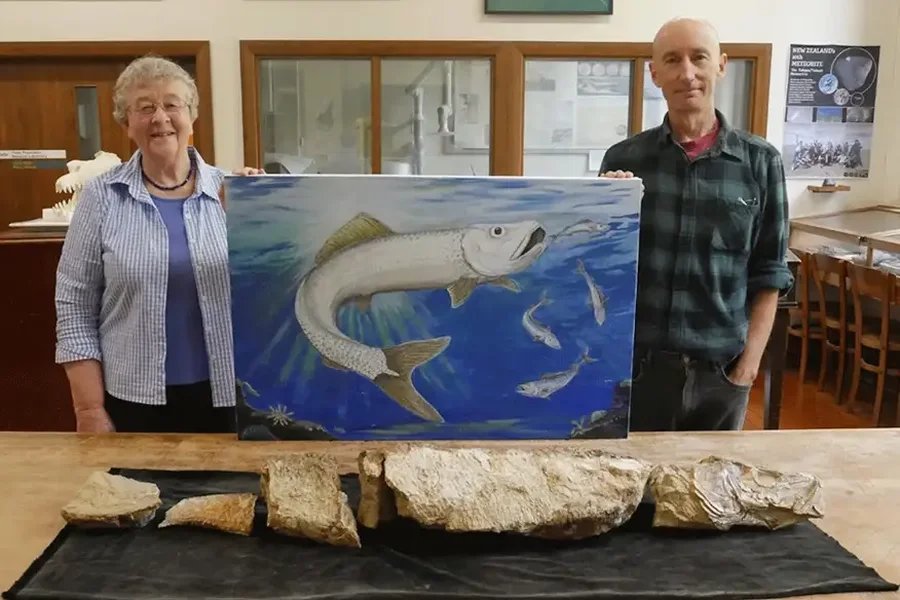
A chance discovery has helped scientists in New Zealand solve a paleontological mystery that had remained unanswered for more than two decades.
Researchers at the University of Otago were analyzing a rare marine fossil, but they faced a major problem: they lacked precise data on the location and circumstances of its discovery. Without this information, a definitive identification of the fossil was impossible.
Everything changed in 2023, when the son of the late paleontologist Richard Köhler accidentally found his father's old diaries while sorting through his personal belongings. After learning about the ongoing study, he decided to donate the materials to the university.
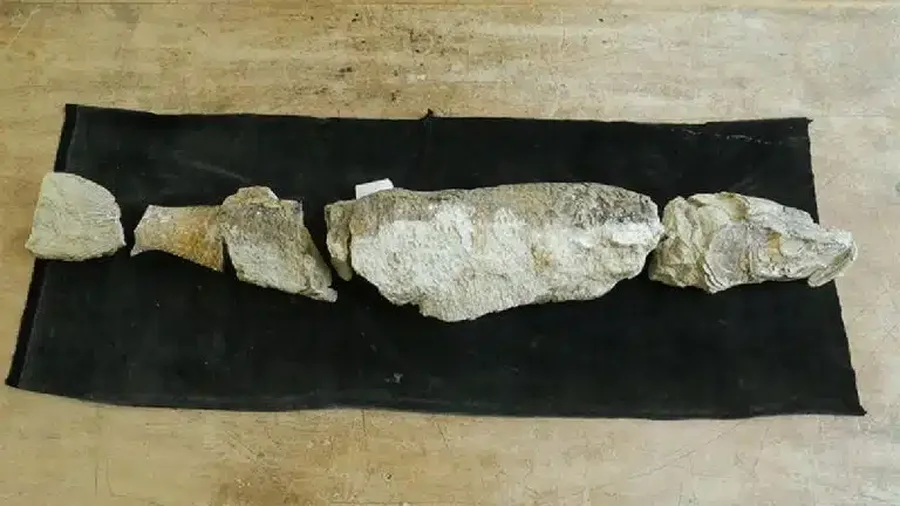
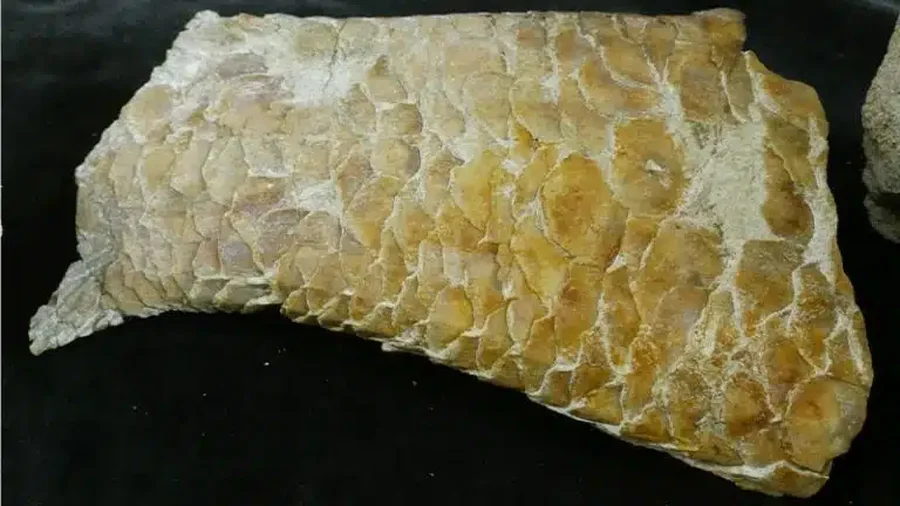
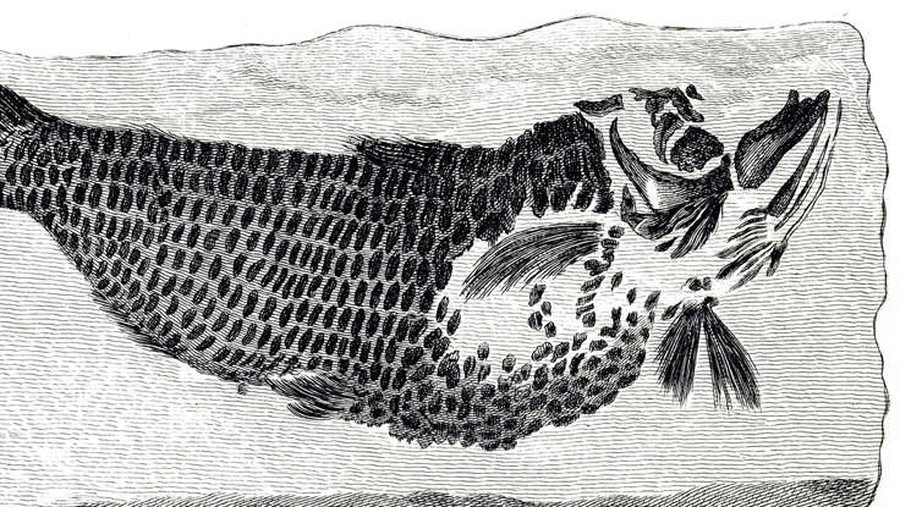
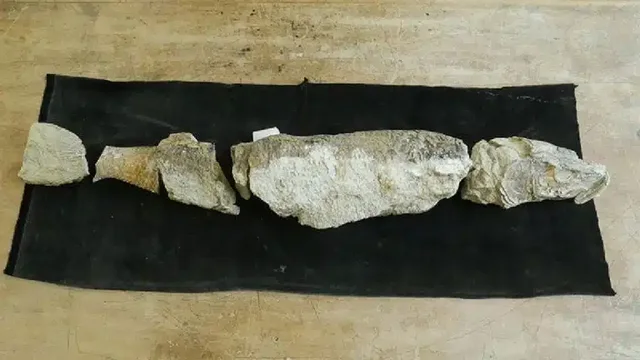
The notes proved crucial. They showed that the fossil had been discovered in 1999 on Pitt Island, a remote area of New Zealand. Köhler had found a fossilized fish in an exceptionally well-preserved state inside a rock.
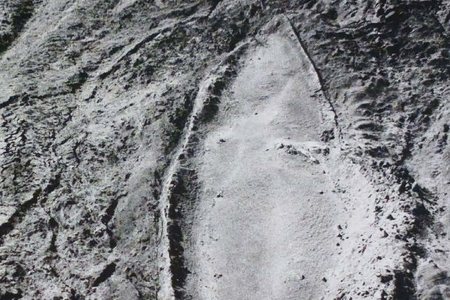
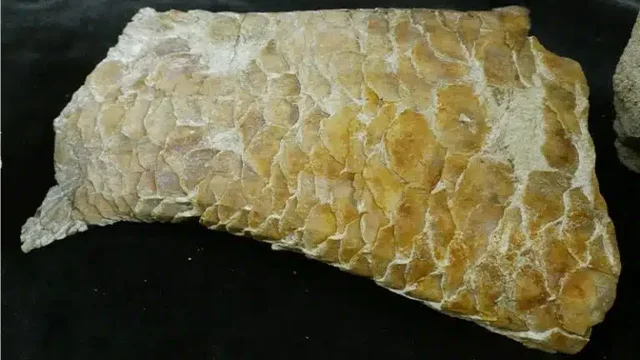
Experts estimate that the fossil dates back about 55 million years. Its condition has surprised scientists, as it still clearly shows scales, feathers and other anatomical details.
After new analyses, the researchers concluded that it was a previously unknown species, which they named Ikawaihere koehleri, in honor of the paleontologist who discovered it.
According to the research team, this is the first documented evidence of a predatory fish with a bony skeleton from that period in New Zealand territory. The discovery is expected to help better understand the marine ecosystems that existed millions of years ago.
Scientists point out that without Köhler's diaries, the fossil's identity could have remained unknown for many more years.







Lini një Përgjigje