


 Shkruar nga Hamidreza Azizi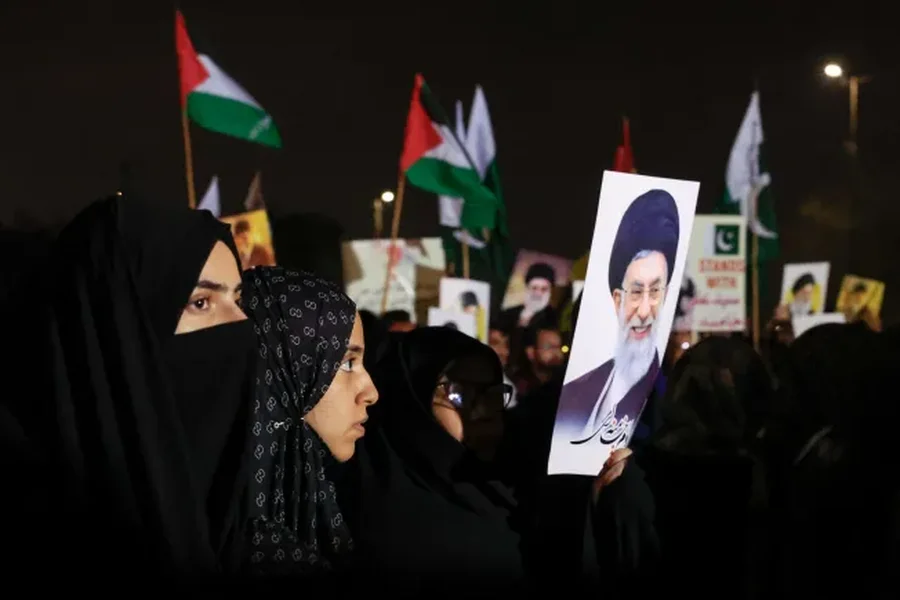
The conflict is serving as a test for Shiite identity and politics
In the weeks before his death, Iranian Supreme Leader Ali Khamenei framed US President Donald Trump’s growing hostility in religious and distinctly Shiite terms. Rejecting calls for capitulation, he cited as an example Imam Hussein, the third imam and spiritual leader of the Shiites, who refused to swear allegiance to Yazid, the Umayyad ruler associated in Shiite memory with tyranny and injustice. In this sense, resistance was not just a strategic necessity, but a value rooted in history and identity.
This mode of interpretation did not disappear with Khamenei’s death. On the contrary, political figures, clerics, and Shiite communities across the region have appropriated this rhetoric and symbolism, reflecting growing anxiety and a sense of vulnerability. In Lebanon, the weakening of Hezbollah in recent years had already shifted the sectarian balance. Aggressive Israeli operations in Shiite-populated areas over the past month have reinforced the perception that Israel and its ally, the United States, are aiming for collective punishment of Shiites.
In Iraq, repeated US and Israeli attacks on the Popular Mobilization Forces (PMF), a coalition of armed groups operating both inside and outside formal state structures, have made it harder for some factions to stay out of the conflict. Even more broadly, reactions to Khamenei’s assassination in places like Pakistan indicate that the conflict is being interpreted in a broader communal and religious light.
The war is increasing the salience of Shiite identity in several areas at once and is changing the way political and military actors assess their interests and risks. Groups that might previously have remained on the periphery are becoming more likely to get involved, while those already at war face increasing pressure to escalate.
The result is a feedback loop: actions driven by fear of marginalization trigger counter-responses that alarm more and more people, broadening the social base of Shiite mobilization. The “axis of resistance,” the network of allies and non-state actors linked to Iran, has suffered numerous blows since 2023. However, the ongoing military actions of the US and Israel could lead to its reconfiguration, not necessarily through Tehran’s direction, but as a result of a more organic impetus stemming from a Shiite identity under pressure.
The formation of Shiite anxiety
Vrasja e Khameneit nuk ishte thjesht një ngjarje politike brenda Iranit. Ajo pati jehonë në komunitetet shiite përtej kufijve të vendit, duke treguar ndikimin e autoritetit të tij në rajon. Në Pakistan, vdekja e tij shkaktoi protesta nga grupe shiite, disa prej të cilave u bënë të dhunshme, ndërsa pjesëmarrësit e konsideronin atë si udhëheqës fetar. Në Bahrein, ku shumica e popullsisë është shiite por vendi drejtohet nga një familje mbretërore sunite, protestuesit u përplasën me forcat e sigurisë dhe shprehën mbështetje për Iranin.
Këto reagime, edhe pse jo të njëjta kudo, tregojnë se zhvillimet në Iran interpretohen përmes një ndjenje identiteti dhe fati të përbashkët fetar. Vdekja e Khameneit përforcoi gjithashtu një perceptim që kishte filluar të formohej: se balanca e fuqisë në rajon po zhvendoset në mënyrë të pafavorshme për shiitët.
Në Liban, pozicioni i Hezbollahut ishte dobësuar pas luftës së vitit 2024 me Izraelin. Sulmet e fundit izraelite, përfshirë ato të 8 prillit që shkaktuan qindra viktima në zona me popullsi shiite, e kanë thelluar këtë perceptim. Raportime mediatike kanë sugjeruar gjithashtu se zyrtarë izraelitë kanë inkurajuar komunitete të tjera të dëbojnë shiitët nga zonat e tyre, duke rritur ndjesinë e kërcënimit kolektiv.
Në Irak, rënia e Bashar al-Asadit në vitin 2024 dhe ardhja në pushtet e një rendi të ri politik në Siri kanë ngritur shqetësime për fuqizimin e rrjeteve sunite militante. Kjo është veçanërisht e ndjeshme për shkak të historisë sektare të Irakut dhe përvojës së luftës kundër ISIS-it.
Deklaratat e zyrtarëve amerikanë për një riformatim të rajonit kanë shtuar më tej shqetësimet. Komentet që minimizojnë konceptin e Lindjes së Mesme si një njësi politike janë interpretuar nga analistë shiitë si sinjal për një riorganizim me baza sektare që mund të anashkalojë aktorët shiitë.
Historikisht, shiitët kanë qenë të margjinalizuar në shumë pjesë të rajonit, edhe kur përbëjnë pjesë të madhe të popullsisë. Kjo e bën perceptimin e kërcënimit edhe më të fortë. Lufta në Iran shihet si kulmi i këtij procesi, duke rritur frikën se përfitimet politike të dekadave të fundit mund të zhbëhen.
Reagimi i shpejtë
Në vende si Pakistani dhe Bahreini, reagimi ka qenë kryesisht përmes protestave. Por më i rëndësishëm është reagimi i aktorëve të armatosur dhe politikë në qendër të fuqisë shiite.
Në Liban, Hezbollah vendosi të hyjë në luftë në mbështetje të Iranit, pavarësisht dobësimit të tij. Izraeli u përgjigj me zgjerim të sulmeve në zona me popullsi shiite, duke shkaktuar zhvendosjen e mbi një milion njerëzve. Kjo e zbeh dallimin midis organizatës dhe komunitetit që ajo përfaqëson, duke rritur presionin për vazhdimin e luftës.
Në Irak, udhëheqësit fetarë kanë bërë thirrje për përmbajtje. Ajatollah Ali al-Sistani paralajmëroi kundër përshkallëzimit, por zhvillimet në terren po e vështirësojnë këtë qasje. Sulmet ndaj PMF-së po rrisin presionin mbi qeverinë dhe komunitetet shiite për të reaguar.
The Iraqi government has not intervened to curb these groups, signaling a shift from previous policy. Since the PMF is part of state structures, attacks on it are interpreted as attacks on the Iraqi state itself.
Compared to previous clashes, such as the 12-day war of 2025, this time the conflict is broader and directly affects Shiite actors in several countries, explaining their greater involvement.
New axle
Regardless of future developments, the growing importance of Shiite identity is expected to influence regional tensions. In Lebanon, this could make it more difficult to isolate Hezbollah politically. Israeli military pressure, while potentially weakening its capabilities, risks strengthening community support.
In Iraq, fears of external threats and the resurgence of Sunni extremism could revive narratives of resistance. This could lead to increased pressure on the American presence and deepening sectarian divisions.
In a broader sense, the war could rebuild parts of the “axis of resistance” from below. This process may not be driven directly by Iran, but by local feelings of threat and marginalization.
Ultimately, conflict aimed at weakening Iran could backfire, strengthening the conditions that support its influence in the region, even if that influence becomes more fragmented and less centralized. /Adapted from ForeignAffairs /





Lini një Përgjigje