


 Shkruar nga Pamfleti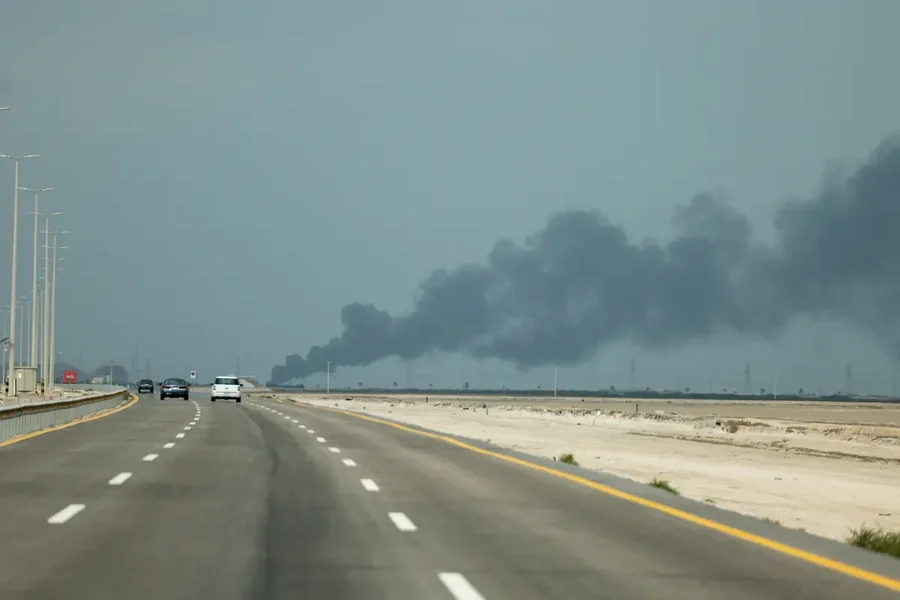
War with Iran halts production and temporarily blocks traffic in the Strait of Hormuz; oil rises 10 percent, gas in Europe by 40 percent
The war with Iran has also begun to affect the region's energy export infrastructure. Qatar halted production at the world's largest liquefied natural gas (LNG) export facility on Monday after an Iranian drone attack. Saudi Arabia's largest oil refinery, Ras Tanura, also halted operations after an attack.
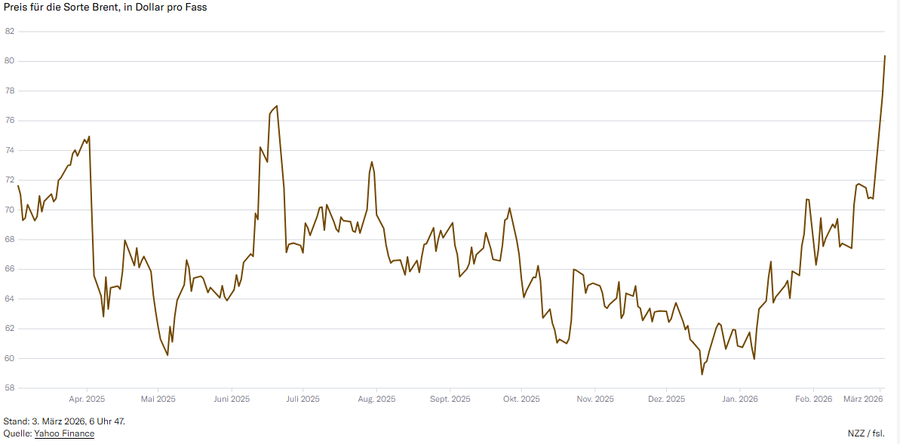
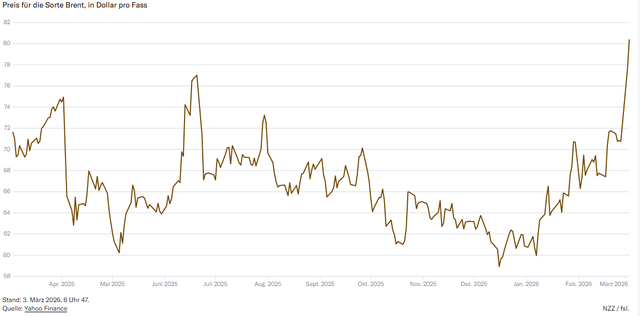
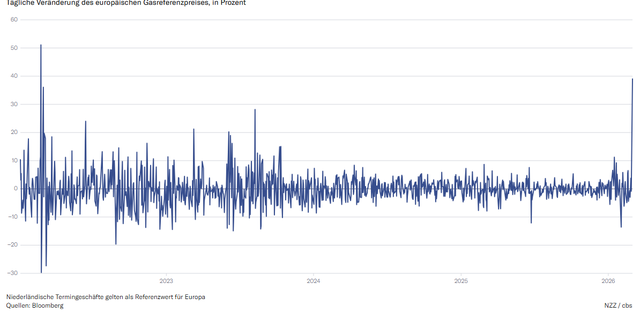
This further escalated the crisis in the Middle East. The price of a barrel of Brent crude oil rose to almost $80 on Monday. This represents about 10 percent more than on Friday evening, before the start of the US-Israeli military strikes against Iran. The reference price of gas in Europe even rose by 40 percent.
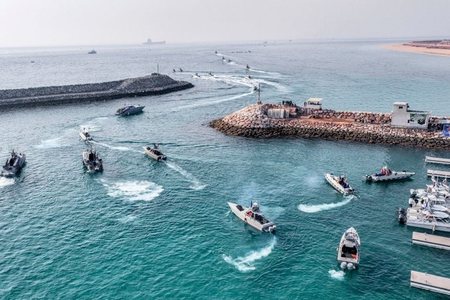
The latest developments have fueled concerns about a significant disruption to global energy supplies. In the Strait of Hormuz, a key point for raw material trade in the Persian Gulf, maritime traffic has been almost completely halted due to the conflict.
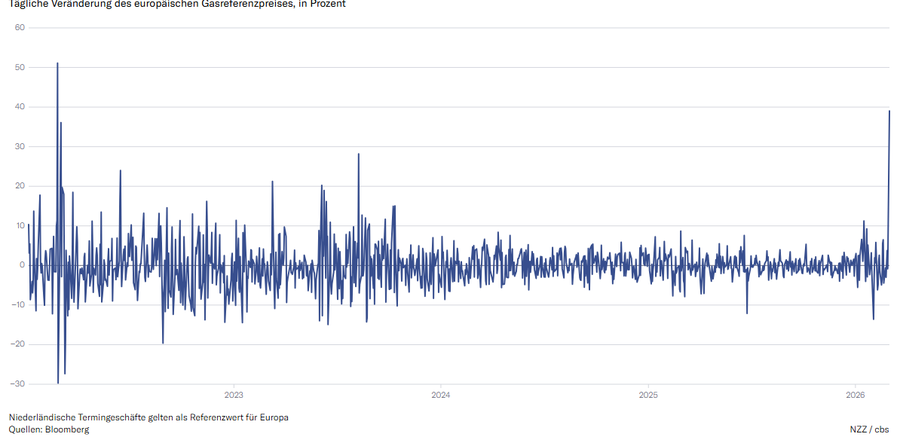
Does Europe risk facing another gas emergency like the one after the Russian invasion of Ukraine in 2022? Or even an oil price shock like the ones the world experienced in 1973 and 1979?
Even in the 1970s, the flow of oil from the Middle East was interrupted by war and political unrest in Iran. The consequences were a rare sight for Western countries: long lines at gas stations and empty highways, as Sundays were closed to traffic to save fuel. The gasoline shortage directly affected everyday life and had consequences for the world economy in the form of recession, rising inflation and unemployment, according to an article in the Swiss media .
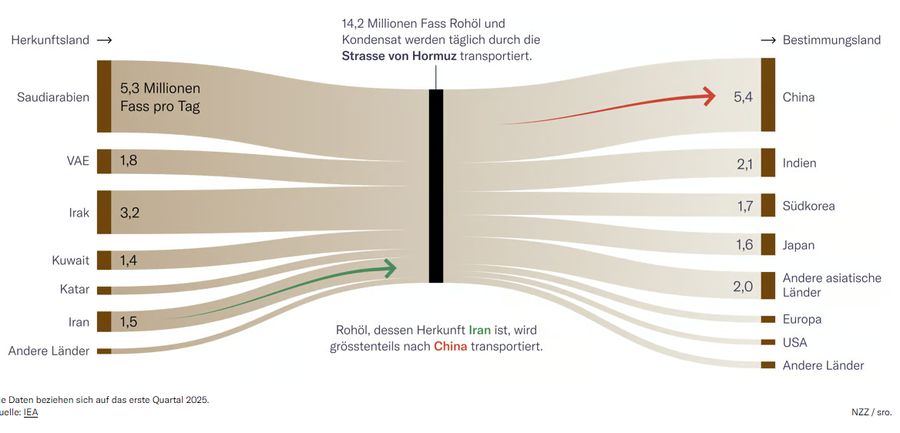
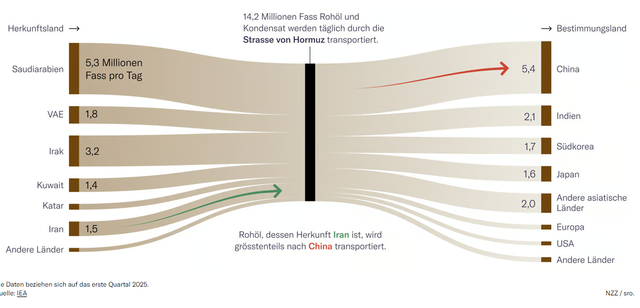
Until now, about a fifth of the world's oil and LNG trade passed through the Strait of Hormuz every day. Theoretically, passage between Iran, Oman and the United Arab Emirates remains possible even in times of war. However, traffic has fallen sharply, as insurers have either stopped covering the transit of oil tankers or have raised premiums significantly.
Diverting to other shipping routes is only possible to a limited extent, as only about a third of the oil that normally passes through the strait can be redirected via pipeline to other ports in the region. Qatar, the largest LNG supplier in the Persian Gulf, has almost no alternatives to the sea route.
Për tregun botëror situatën e vështirëson edhe faktori Rusi. Eksportet ruse të naftës dhe gazit janë kufizuar ndjeshëm për shkak të sanksioneve perëndimore pas sulmit ndaj Ukrainës në vitin 2022. Kina është blerësi më i madh i Moskës.
Rezervat e gazit në Evropë mbushin vetëm 1/3
Një mungesë në furnizimin me gaz do të ishte shumë problematike për industrinë gjermane, e cila tashmë përballet me vështirësi. Ndërprerja e prodhimit në Katar kujton situatën pas sulmit rus ndaj Ukrainës. Në atë kohë, qeveria gjermane siguroi importe LNG nga shteti i Gjirit për të kompensuar mungesën e furnizimeve ruse.
Tani edhe ky furnizim rrezikon të ndërpritet. Rezervat e gazit në Bashkimin Evropian janë aktualisht nën mesataren vetëm rreth 30 për qind e kapacitetit është i disponueshëm.
Sipas vlerësimit të ofruesit të të dhënave dhe lajmeve Argus, për Evropën mund të shfaqen mungesa të naftës dizel dhe karburantit për avionë, të cilat deri tani siguroheshin nga rajoni i Gjirit. Për benzinën, varësia nga furnizuesit e Lindjes së Mesme është më e ulët.
Për vendet aziatike si Koreja e Jugut, Kina dhe Japonia, situata është teorikisht më delikate, pasi ato varen më shumë nga importet e LNG-së dhe naftës nga rajoni sesa Evropa. Irani e eksportonte naftën e tij pothuajse ekskluzivisht në Kinë, ku rafineritë private të quajtura “Teapot” në provincën Shandong ishin blerësit kryesorë.
Zgjerimi i prodhimit të naftës është i mundur vetëm në mënyrë të kufizuar. Sipas raportit më të fundit mujor të Agjencisë Ndërkombëtare të Energjisë (IEA), vetëm Arabia Saudite ka kapacitete të konsiderueshme të lira brenda aleancës OPEC+. Rusia, për shkak të sanksioneve, tashmë e ka të vështirë të gjejë blerës për naftën e saj dhe duhet të ofrojë ulje të mëdha çmimesh.
Megjithatë, aktualisht nuk ka shenja për një krizë të menjëhershme energjetike si ajo e viteve shtatëdhjetë. Në varësi të përmasës dhe kohëzgjatjes së ndërprerjes në ngushticën e Hormuzit, një skenar i tillë afatgjatë nuk mund të përjashtohet.
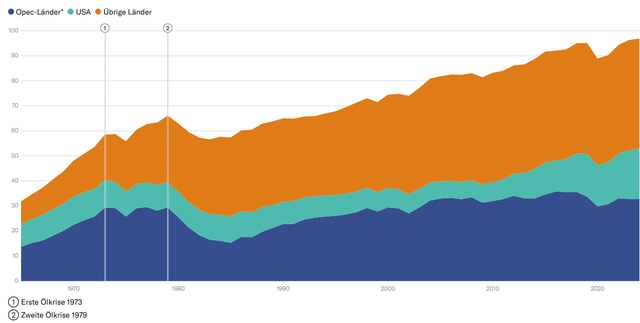
Në vitin 1973, vendet anëtare të kartelit OPEC, që në atë kohë përfaqësonin rreth gjysmën e prodhimit global të naftës, reaguan ndaj mbështetjes së vendeve perëndimore për Izraelin në Luftën e Jom Kipurit me një ndërprerje të furnizimeve. Vetëm disa vite më vonë, në vitin 1979, Irani u bë qendër e krizës kur Shah-u u rrëzua dhe në pushtet erdhën mullahët. Për shkak të trazirave, prodhimi i naftës në vend u shemb, në atë kohë Irani ishte eksportuesi i dytë më i madh në botë.
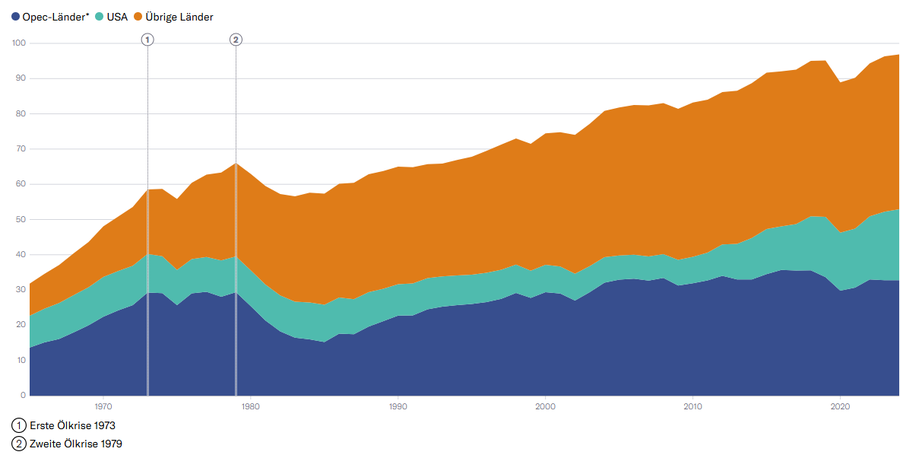
Që atëherë, panorama ka ndryshuar ndjeshëm. Sot OPEC-u kontribuon vetëm rreth një të tretën e prodhimit global të naftës. Prodhimi i tij ka mbetur kryesisht i qëndrueshëm, ndërsa vende të tjera e kanë rritur ndjeshëm prodhimin – veçanërisht Shtetet e Bashkuara, falë bumit të naftës shale. Që nga viti 1975, Uashingtoni mban gjithashtu një rezervë strategjike nafte për t’u mbrojtur nga mungesat e furnizimit.
China, too, is not expected to face a short-term supply shortage. According to data from the provider Vortexa, the country's oil reserves are well-stocked and storage capacity is being expanded. Moreover, according to Argus, the "Teapot" refineries are benefiting from discounted supplies from Russia. This oil, which finds fewer buyers in India after the recent trade agreement between New Delhi and Washington, is often redirected to China.
Europe is also currently benefiting from mild weather: spring-like temperatures are forecast for the next two weeks, reducing demand for heating gas.
Extreme risks are unlikely
The risk of a long-term disruption of supplies cannot be ruled out, but is considered unlikely. In the event of a prolonged closure of the Strait of Hormuz, the Swiss private bank Lombard Odier predicts an increase in the price of oil by $50 per barrel. For the gas market, the American bank Goldman Sachs presents a similar scenario: if the waterway remains closed to LNG transport for a month, the price of gas in Europe could reach around 74 euros per megawatt-hour. Compared to the price before the war, this would represent an increase of 130 percent. /Adapted Pamphlet /


Lini një Përgjigje