


 Shkruar nga Pamfleti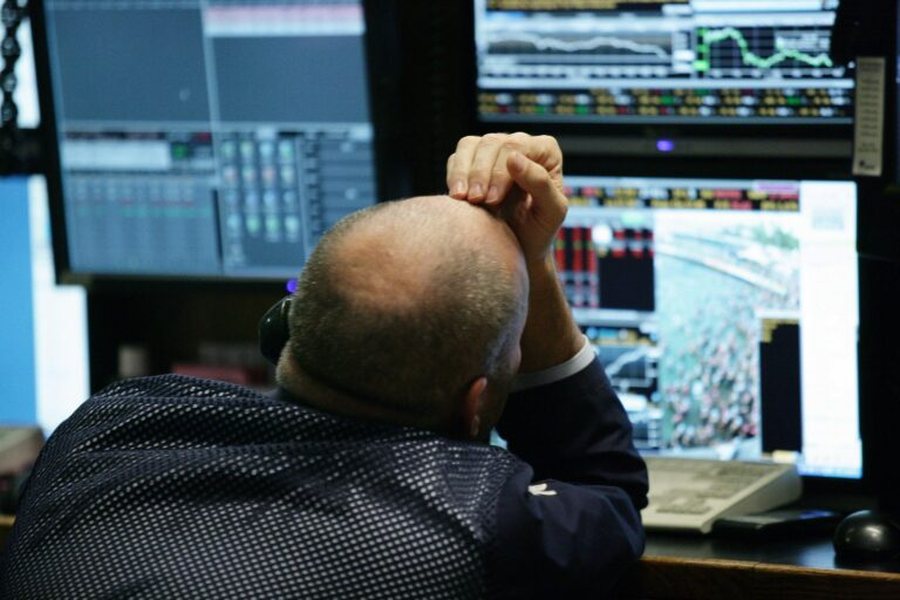
Financial markets are facing an escalation that is not just semantic, but fundamental. Eight months ago, the 12-day war against Iranian nuclear facilities caused immediate volatility.
European stocks fell sharply after the United States and Israel attacked Iran, resulting in the deaths of several senior officials, including Supreme Leader Ayatollah Ali Khamenei. Iran responded by launching attacks on several Middle Eastern countries and US bases in the region. “We will not negotiate with the United States,” senior Iranian security official Ali Larijani said in a tweet on X on Monday.
Oil prices rise by 10%
Escalating tensions in the Middle East, with Tehran blocking the Strait of Hormuz, have sent oil and gas prices soaring. The April WTI futures contract rose 9% to $73 a barrel, while Brent crude rose 9.9% to nearly $80.
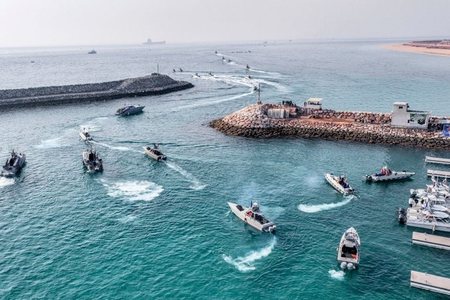
Iran has announced the closure of the Strait of Hormuz, which carries ships carrying about a fifth of global oil demand from Saudi Arabia, the United Arab Emirates, Iraq, Iran and Kuwait.
Iran is OPEC's fourth-largest oil producer. Yesterday, OPEC decided to urgently increase its crude oil production in April by 206,000 barrels per day. "Unfortunately, the disruption of global oil flows due to tensions in the Middle East reduces this number, especially as there are warnings about OPEC's ability to significantly increase production and get this oil to market, while the Strait of Hormuz, partially controlled by Iran, is now practically closed," said Ipek Ozkardeskaya, senior analyst at Swissquote.
Gasoline prices are also rising, with the TTF index rising by 25% in Amsterdam to 39.85 euros per megawatt hour (the highest since February 2025).
Stock markets hit rock bottom, gold surges
European stocks started the day with a sharp decline. The DAX index fell by 2.5% and the CAC40 by 2.1%. On the Milan Stock Exchange, the FTSE MIB fell by 2.4%, with financial stocks in particular struggling (Bper, Unicredit and Intesa Sanpaolo, down around 4%), as did Stellantis, which fell by 5%. Bucking the trend, Leonardo rose by 6% and Eni rose by 4.7%, boosted by rising oil prices.
Wall Street is also bracing for a rough start, with futures contracts predicting declines of nearly 2% for the S&P 500 and Nasdaq.
Risk aversion in the markets is pushing gold prices back to $5,400 an ounce, up 3%.
Betting markets
Sipas analizës së botuar nga media italiane Corriere della Sera, tregjet financiare përballen me një përshkallëzim që nuk është vetëm semantik, por thelbësor. Tetë muaj më parë, lufta 12-ditore kundër objekteve bërthamore iraniane shkaktoi luhatje të menjëhershme: çmimi i naftës u rrit me shpejtësi, aksionet e sektorit të mbrojtjes u blenë masivisht dhe Wall Street humbi rreth 1%. Megjithatë, situata u stabilizua shpejt. Nafta kaloi mbi 80 dollarë për fuçi dhe më pas u tërhoq, ndërsa tregjet e konsideruan episodin si një goditje të përkohshme.
Sot, sipas të njëjtit burim, skenari paraqitet më i gjerë dhe më i ngarkuar me të panjohura. Nuk bëhet fjalë vetëm për objekte pasurimi uraniumi, por për arkitekturën politike të Republikës Islamike të krijuar në vitin 1979. Kjo e shtyn pyetjen qendrore në qendrat financiare perëndimore: a do të kemi një tjetër tronditje të përkohshme apo një ndryshim strukturor në ekuilibrat globalë?
Tregjet hyjnë në këtë fazë jo në kulmin e tyre, por me baza solide. Muaji shkurt rezultoi i dobët, veçanërisht në Wall Street, megjithatë indekset kryesore mbeten pranë niveleve historike. Debati për një “flluskë” të inteligjencës artificiale vazhdon, por rezultatet tremujore të kompanive të mëdha teknologjike tregojnë fitime të forta që mbështesin vlerësimet e larta. Ndërkohë, përdorimi i inteligjencës artificiale po zgjerohet përtej sektorit teknologjik, duke përfshirë shpërndarjen, prodhimin, logjistikën dhe ndërtimin e qendrave të të dhënave. Sipas analizës, kapitali po ndjek inovacionin dhe jo panikun.
Autorët theksojnë se treguesit ekonomikë nuk sinjalizojnë një ekonomi në rënie të lirë, por një sistem në transformim. Ndërhyrja gjeopolitike ndodh në një kontekst me likuiditet të mjaftueshëm, me kompani që ruajnë marzhe fitimi dhe me një Rezervë Federale që mban një qëndrim të kujdesshëm.
Vëmendja kryesore mbetet te energjia. Irani përbën një nyje të rëndësishme prodhimi dhe tranziti. Një zgjerim i konfliktit në Ngushticën e Hormuzit do të ndryshonte ndjeshëm panoramën. Megjithatë, furnizimi global me naftë sot është më i diversifikuar se një ose dy dekada më parë. Shtetet e Bashkuara janë prodhues të mëdhenj, OPEC ka hapësirë ndërhyrjeje dhe rezervat strategjike përbëjnë një rrjet sigurie. Çmimi i naftës mund të arrijë ose tejkalojë 100 dollarë në një fazë akute, por një rritje e qëndrueshme do të kërkonte një konflikt të përgjithshëm, që sipas analizës nuk i shërben asnjë pale.
Sipas Corriere della Sera, çështja thelbësore mbetet politike: stabiliteti i një regjimi që për dekada ka eksportuar tension dhe paqëndrueshmëri në rajon. Analiza vëren se një Iran më pak agresiv dhe më i përqendruar në zhvillimin e brendshëm do të ndryshonte hartën e rrezikut në Lindjen e Mesme, do të ulte kërcënimin ndaj rrugëve energjetike dhe do të krijonte kushte më të favorshme për investime.
Markets do not celebrate war, but they value future stability. If the result were a more predictable Middle East, the risk premium would decrease, along with the cost of capital, with potential benefits for the global economy.
In the end, the analysis emphasizes that the most delicate challenge remains the American domestic one. Consumers are cautious, the labor market shows signs of cooling and confidence is not at its highest levels. According to the author, geopolitical success must be accompanied by a clear economic strategy, where productivity generated by artificial intelligence is a key element.
In this context, markets may face volatile weeks, with energy price fluctuations and sectoral reallocation. However, the analysis suggests that it would be hasty to interpret the situation as the beginning of a long downward cycle. Economic history shows that the elimination of chronic factors of instability can open up new phases of expansion. /Adapted from Pamphlet /



Lini një Përgjigje