


 Shkruar nga Pamfleti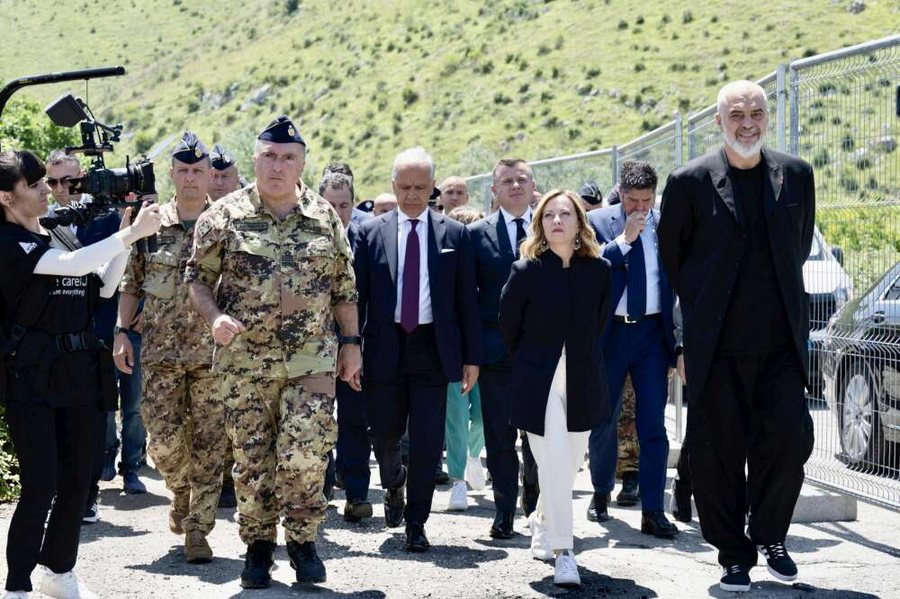
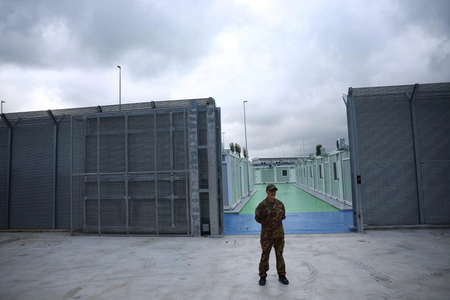
The European Parliament paved the way for the model of centers outside the territory of the union. So far, the only concrete case is the Italy-Albania agreement for the camps in Gjadra and Shëngjin.
The European Parliament has approved a new set of rules that tightens the European Union's policy on returning migrants and allows for their transfer to third countries deemed safe. The vote marks a significant turning point in the EU's approach to migration, but also sheds new light on the role Albania has taken in this process.
With 418 votes in favor, 218 against and 30 abstentions, MEPs gave support to a model that has so far been tested only in one specific case: the agreement between Italy and Albania to establish migrant centers in Gjadra and Shëngjin.
The new regulation allows member states to transfer asylum seekers whose applications have been rejected to third countries with which they have specific agreements. In practice, this means that the model that Rome and Tirana have implemented may no longer remain an exception, but become a reference for future European policies.
For critics of this approach, the Strasbourg vote confirms that Albania has been used as a political laboratory to test a formula that many EU member states have been unwilling to implement within their own borders. Precisely for this reason, the Italy-Albania agreement has been at the center of debates for months about migrants' rights and the responsibilities that the European Union is transferring outside its territory.
The new rules foresee that migrants without a right of residence can be sent to third countries even if they have no connection to them. They also shorten the deadlines for executing deportations and extend the period of administrative detention for people who do not cooperate with the authorities.
The vote deeply divided the European Parliament. Center-right forces, conservatives and right-wing groups lined up in favor, while socialists, greens and the left opposed it, warning that the new measures could violate the fundamental rights of migrants.
Meanwhile, Italian Prime Minister Giorgia Meloni described the result as a political victory for her vision on migration management. But beyond the debate in Brussels and Strasbourg, one fact remains unchanged: as Europe discusses exporting migration policies outside its borders, Albania is the place where this experiment has already begun to take shape. /Pamphlet





Lini një Përgjigje