


 Shkruar nga Javier Blas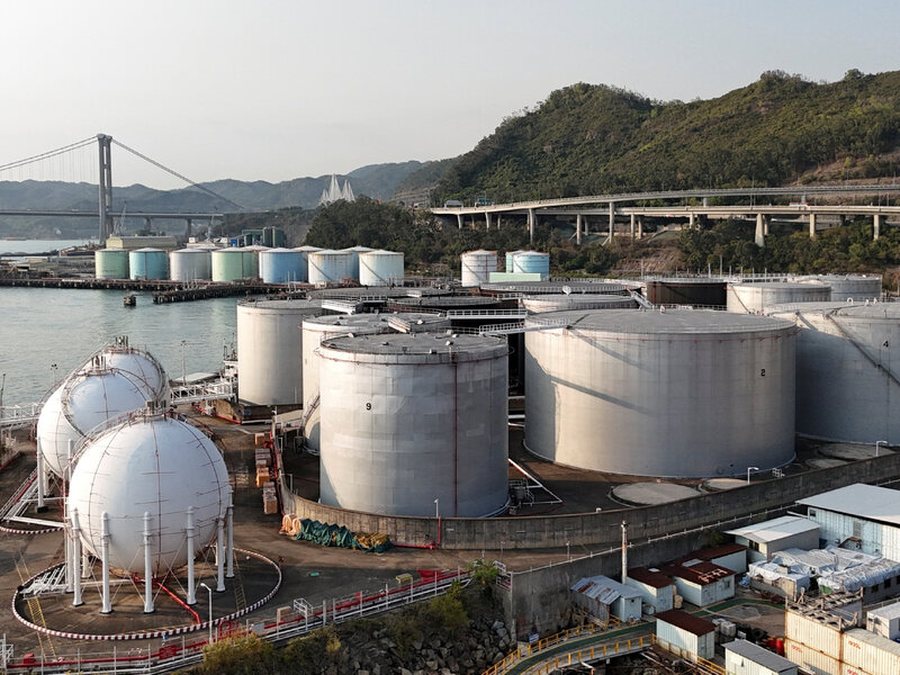
Through a quietly implemented strategy of reducing imports and tapping alternative sources, Beijing is managing to soften the blow of the global energy crisis. This structural change is serving as a critical buffer that holds back rising prices, despite geopolitical tensions in the Persian Gulf.
Faced with an unprecedented supply shortage, the oil market is using every means possible to rebalance supply and demand. Some of them are well-known: bypassing the Strait of Hormuz through pipelines, using emergency reserves, and allowing high prices to dampen consumption.
But there is another force, equally important and almost unmentioned: China. Beijing has quietly reduced oil imports by about 25 percent compared to the pre-war period.
The effect is clear: suddenly, more oil has become available to the international market, keeping prices near the critical level of $100 per barrel, despite more than 60 days of conflict in the Persian Gulf.
However, the mechanisms behind this decline in imports - crucial
to understand whether this trend is sustainable - remain unclear. Understanding China's giant energy industry is difficult, especially when the fog of war makes the situation even more unclear.
Oil traders try to fill the gaps left by the partial official statistics by tracking tankers unloading and loading at Chinese ports, analyzing reserves through satellite imagery and relying on their contacts on the ground.
In recent weeks, industry leaders have noticed something unusual. Chinese state-owned companies are reselling cargoes of oil to European and Asian rivals. The move suggests a supply glut, something strange in a period of global shortages.
This move has not only limited the rise in reference prices, but has also caused a dramatic drop in the surcharges traders pay to secure oil during this period. Barrels that were selling for $30 above the base price in early April are now trading with a surcharge of just $1.
Even price reductions have begun to appear. Even data on tanker movements give the same unusual signal. The analytical company Vortexa estimates
that China is importing only 8.2 million barrels of oil per day, down from about 11.7 million before the war.
This drop of 3.5 million barrels per day is almost as much as Japan's total consumption and twice the capacity of the United Arab Emirates pipeline that bypasses Hormuz.
Pra kemi një ndryshim gjigant, dhe është ndoshta faktori i dytë ose i tretë më i rëndësishëm që po e ribalancon aktualisht tregun global të naftës. Kjo rënie e importeve do të kishte kuptim nëse rezervat komerciale kineze do të pakësoheshin ndjeshëm apo nëse Pekini do të kishte filluar të përdorte rezervat strategjike të naftës. Por asnjëra nuk po ndodh. Përkundrazi, sipas të dhënave satelitore, rezervat tregtare kanë vazhduar të rriten javët e fundit. Ajo që bëri Pekini ishte ndalimi i eksporteve të produkteve të rafinuara, duke u dhënë rafinerive mundësinë të përpunonin më pak naftë për të mbuluar kërkesën e brendshme.
Por kjo politikë tashmë është përmbysur, gjë që sugjeron se vendi mendon se ka furnizim të mjaftueshëm me karburante. Por si po arrin Kina të importojë shumë më pak naftë pa ulur rezervat? Në të kaluarën, vendi blinte më shumë naftë sesa i nevojitej, duke ndërtuar rezerva të mëdha për raste emergjence.
Sot, Kina ka afro 1.4 miliardë fuçi në rezervat e saj - shumë më tepër se 400 milionët e SHBA-së dhe 260 milionët e Japonisë. Mesatarisht, vitin e kaluar Kina blinte ndoshta një milion fuçi në ditë më shumë sesa i duheshin.
Vetëm duke ndalur zgjerimin e rezervave, ajo mund të ulë ndjeshëm importet pa prekur nevojat reale për konsum. Kjo mund të shpjegojë ndoshta një të tretën e rënies së importeve. Por pjesa tjetër?
Këtu fillojnë spekulimet e tregtarëve të naftës. Një teori thotë se aktiviteti ekonomik në Kinë është më i dobët sesa mendohej, dhe për rrjedhojë rritja e konsumit të naftës është më e ulët. Shkaku? Ndoshta ndikimi i luftës tek partnerët tregtarë të Kinës në rajon, si Filipinet, Vietnami dhe Tajlanda.
Për më tepër, rritja e përdorimit të makinave elektrike, transportit publik më efikas dhe puna nga shtëpia i kanë bërë familjet kineze më të afta të përballojnë çmimet e larta të naftës.
Në dallim nga disa vende të tjera të rajonit, Kina nuk ka shpallur masa emergjente për të ulur kërkesën, si java pune 4-ditore për administratën apo promovim të bashkëndarjes së makinave.
Agjencia Ndërkombëtare e Energjisë vlerëson, bazuar në të dhëna paraprake, se kërkesa kineze për naftë ka hyrë në tkurrje modeste në mars dhe prill, me rreth 110 mijë fuçi më pak në ditë, duke zbritur në rreth 17 milionë fuçi në ditë.
Megjithatë, kjo rënie nuk mjafton për të shpjeguar pse kanë rënë kaq shumë importet. Ndoshta, kërkesa reale për naftë në Kinë po bie shumë më fort sesa mendohet aktualisht? Sipas disa tregtarëve, përgjigja mund të jetë industria petrokimike, sektori që ka gjeneruar pjesën më të madhe të rritjes së konsumit të naftës gjatë 5 viteve të fundit.
In this sector, China is unique. In addition to the traditional industry that uses oil and natural gas as raw materials, it also has a parallel industry that relies on coal. Since the war began in late February, profits from “coal-to-chemicals” technologies (a series of industrial processes that transform solid coal into valuable and high-value industrial products and raw materials, such as methanol, ammonia, synthetic fuels, and olefins) have increased significantly.
This sector usually has excess capacity, so there is room to replace oil with coal as a feedstock for chemical production. Concrete data is lacking, but according to information from the industry, factories that produce plastics from coal -
such as polyethylene, polypropylene and PVC, have been operating at high capacity over the last 60 days, reducing the use of traditional fuels such as ethane and industrial oil.
So perhaps China is relying much more on coal-to-chemicals technologies than previously thought. Another possible explanation is that it is consuming hard-to-monitor reserves of semi-finished plastics.
and other chemicals, which would make this decline in oil consumption a temporary phenomenon.
Perhaps there are simpler explanations. Even though traders are trying to estimate Chinese reserves via satellites, perhaps they are missing some deposits and reserves are actually falling.
The market is awash with rumors that China is quietly tapping strategic reserves, starting with underground deposits that cannot be seen by satellites. That may be true. Time lags may also play a role. Domestic oil production is also increasing and could help fill the gaps.
But one thing is clear: China is currently rebalancing the global oil market. The bigger question is for tomorrow: if it can cut imports so drastically without taking extreme measures, what does that say about the future of oil consumption in China? Certainly, nothing positive for those expecting price increases. / Adapted from "Pamphlet", from "Bloomberg"




Lini një Përgjigje