


 Shkruar nga Pamfleti
The absence of tanks at the May 9 parade, massive internet outages and the growing power of the secret services indicate a Kremlin increasingly focused on Putin's survival, while the economy and public support for the regime are weakening.
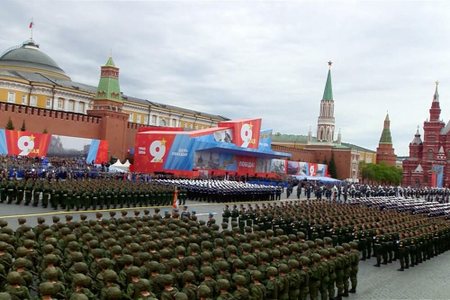
For the first time in 18 years, Russia’s Victory Day parade will be held without tanks. There will be no missile carriers or armored columns on Red Square. Some regions of Russia have canceled parades altogether. Moscow residents have been warned not to expect mobile internet on the day of the parade or the evening before. The Russian Defense Ministry has declared a unilateral ceasefire for May 8 and 9, warning that any Ukrainian attack will be followed by “a massive retaliatory missile strike on the center of Kiev.” The Russian Foreign Ministry has also advised foreign embassies in the Ukrainian capital to consider evacuating their staff.
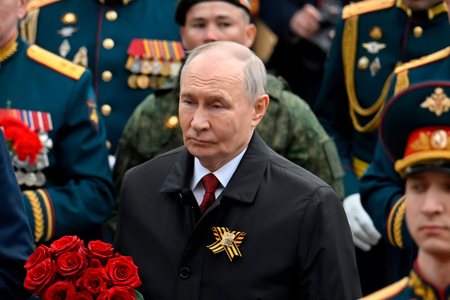
The official explanation for the lack of weapons in the parade is linked to the threat from Ukrainian FPV drones. This threat is real and constitutes a humiliation for the Kremlin: the center of the Russian capital can no longer be defended by vehicles that cost only a few thousand dollars and are built of plywood and electronics. But the parade is not the cause of the crisis. It is a symptom of a quieter reorganization within the regime, where power is shifting from the technocrats who run the economy to the people who guarantee Vladimir Putin’s personal security.
The often-used term in English, “siloviki,” is too broad to describe this development. The faction gaining influence is narrower: the FSB, Russia’s internal security and intelligence service, and the FSO, the federal defense service that functions as Putin’s Praetorian Guard. Their influence has expanded more in the past year than at any other time since the early 2000s.
This year, the FSB regained control of its prison system. Seven prisons, including Lefortovo in Moscow, have been returned to its administration, and a new complex with a capacity of 4,000 is planned for construction near the capital. The Russian Duma has also given the FSB the power to order, not just request, the disruption of mobile internet services without having to give reasons. In practice, orders to block networks in central Moscow now come directly from the FSB.
E njëjta agjenci ka nisur të detyrojë bankat kryesore të instalojnë pajisje mbikëqyrjeje të kontrolluara prej saj, ndërsa institucionet që refuzojnë përjashtohen nga lista e aplikacioneve që lejohen të funksionojnë gjatë ndërprerjeve të rrjetit. Këto janë rregulla bankare të hartuara pa përfshirjen e Bankës Qendrore. Vlerësimet e industrisë financiare sugjerojnë se vetëm ndërprerjet e internetit në Moskë kushtojnë afro 10 miliardë rubla në ditë, rreth 98 milionë paund.
Ministritë ekonomike kanë kaluar dy vitet e fundit duke argumentuar, me zë gjithnjë e më të dobët, se kjo po dëmton ekonominë ruse. Por ato po humbin çdo betejë. Ndërprerjet e internetit celular tregojnë të njëjtën histori në miniaturë. Shpërndarja e tyre rajonale nuk ndjek vijën e frontit në Ukrainë; ajo ndjek lëvizjet e Putinit dhe zonat e përjashtimit që krijon FSO-ja përreth tij. Mbrojtja kundër dronëve shërben si justifikim zyrtar, por motivi real është zgjerimi i vazhdueshëm i perimetrit të sigurisë rreth trupit të një njeriu të vetëm.
Kur qytetarët rusë humbasin aksesin në internet celular të martën në mëngjes vetëm sepse presidenti po udhëton, ata paguajnë çdo ditë çmimin e një logjike sigurie që as e shohin dhe as mund ta vënë në dyshim.
Të gjitha këto do të kishin më pak rëndësi nëse Putini do të ruante popullaritetin e dikurshëm. Por kjo nuk ndodh më, të paktën jo në nivelet e mëparshme. Instituti i sondazheve Levada e ka regjistruar mbështetjen për presidentin në nivelin më të ulët që nga fillimi i pushtimit të plotë të Ukrainës në vitin 2022. Edhe VTsIOM, instituti shtetëror i sondazheve që zakonisht pasqyron narrativën e Kremlinit, ka raportuar shtatë javë radhazi rënie të mbështetjes. Vlerësimet për qeverinë dhe Dumën ndodhen në nivelet më të ulëta të kohës së luftës.
Është e vërtetë që shifrat e Putinit mbeten shumë më të larta krahasuar me shumicën e liderëve perëndimorë, por fakti që ato po bien duhet ta shqetësojë Kremlinin. Reagimet tradicionale të regjimit ndaj rënies së mbështetjes transfertat sociale, fitoret simbolike televizive, arrestimet për korrupsion, inaugurimet e autostradave nga guvernatorë të buzëqeshur apo sulmet retorike ndaj Perëndimit po humbasin efektin.
Prodhimi i Brendshëm Bruto u tkurr në tremujorin e parë të vitit. Inflacioni mbetet i lartë. Fronti i luftës nuk ofron fitore propagandistike, ndërsa propaganda shtetërore, si kudo tjetër, po jep rezultate gjithnjë e më të dobëta me kalimin e kohës.
Ankthi, i përforcuar nga ndërprerjet e internetit, po reflektohet edhe në kursimet bankare. Rusët kanë tërhequr rreth 800 miliardë rubla nga bankat mes marsit dhe mesit të prillit. Kjo mbetet më pak se 1.5 për qind e totalit prej 67 trilionë rublash të depozitave familjare në sistemin bankar rus, por ritmi i tërheqjeve po rritet.
The money flowing out of banks weakens the financial base that the Ministry of Finance uses to sell government bonds and pushes more economic activity towards informal and untaxed payments. If withdrawals accelerate, banks will be forced to offer higher interest rates to retain depositors, which will further restrict lending.
The increase in oil revenues after the Iran war only partially compensates for this, because that money goes mainly to the federal budget, while the loss of deposits and tax revenues affects the broader fiscal base. The figures are still manageable, but the trend is only going in one direction.
In a normal political system, the combination of declining support, a tired economy, and a lack of political victories would push the leadership toward compromise. In Putin's system, the opposite may happen.
A more expanded military phase could be seen as the cheapest instrument to restore the narrative of national mobilization, justify further tightening of domestic control, and redirect public anger towards an external enemy.
On the other hand, Ukraine, sensing the Kremlin's weakness, could intensify drone attacks and targeted assassinations, which would cause a new security panic in Russia and give even more power to the FSO and FSB. Without a diplomatic breakthrough between Putin and Donald Trump, this cycle seems to be going in only one direction.
In practice, this does not mean a major strategic offensive—Russia currently has neither the men nor the equipment for such an operation—but an expansion of what has been seen since last fall: more intense missile and drone attacks on Ukraine's energy and logistics infrastructure, a new wave of mobilization under a different name, higher military levies, and a tougher security regime in the border regions.
Saturday's parade is expected to be short, defensive and held under a self-proclaimed ceasefire that the Kremlin has warned it will violate if provoked. It is a telling image of the Russian regime in its current state: less interested in projecting power and more focused on protecting the man who personifies it, increasingly willing to pay any price to that end./ Adapted from "Pamphlet", from "The Spectator"



Ky Putua do jete Qezari i ketij shekulli.
Nuk jam fare dakort me artikullshkruesin.Një nndeshje ndërkombëtare futbolli tek ne dhe ndërpritet interneti,një aktivitet mortor i organizuar nga Edi Rama dhe ndërpritet interneti në atë zonë...e kështu me radhë.I qani hallin Rusisë dhe nuk ju vjen keq për popullin shqiptar që drejtohet nga Gangsterizmi qeveritar me në krye kryemafiozit që është kryeministri Edi Rama ???? Tradhtar i Kombit Shqiptar ????????