


 Shkruar nga Pamfleti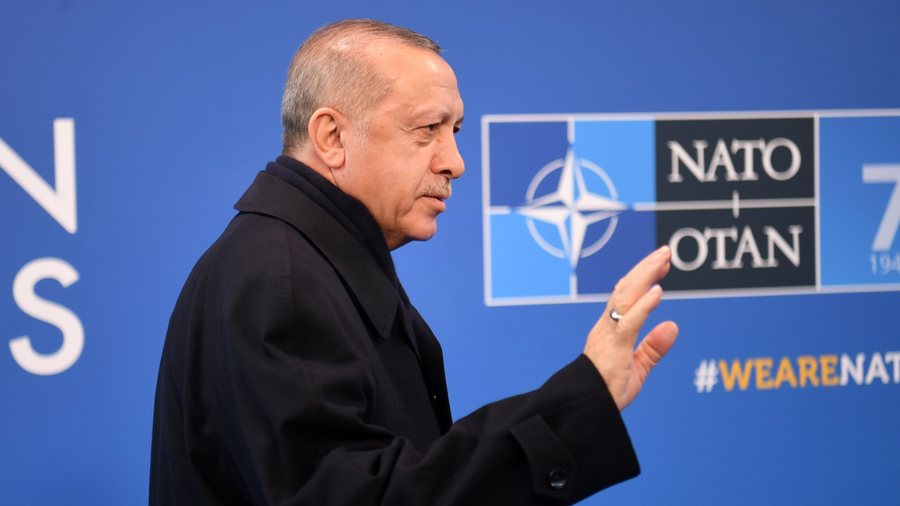
EU countries are concerned about Erdogan's growing authoritarianism. But they want his country's strong rule...
Turkey is gaining an increasingly important role in the European security architecture, as the war in Ukraine and uncertainty about the United States’ future commitment to NATO are forcing Europe to reconsider relations with Ankara. Although President Recep Tayyip Erdogan’s authoritarianism and deteriorating democratic standards have strained relations with the European Union for years, Turkey’s strategic and military importance is pushing the West toward closer cooperation.
Turkey is considered a key ally on NATO's southeastern flank and a major naval power in the Black Sea. It has the second-largest army in the alliance after the United States and has developed a powerful defense industry, which produces drones, missiles, ammunition and other military systems that are increasingly in demand by European countries.
The Turkish defense industry has experienced rapid growth thanks to state investment and a drive to reduce dependence on foreign suppliers. Today, over 80% of its military needs are covered by domestic production, while defense exports are expected to reach around $13 billion this year. Companies such as Baykar, the manufacturer of the Bayraktar drone, and Arca Savunma have secured significant contracts with NATO and European Union countries.
However, cooperation between Turkey and Europe remains limited by political obstacles. Turkey does not benefit from common EU funds for the defense industry, while the process of joining the European Union has been practically frozen since 2018. For this reason, Ankara is expanding cooperation through bilateral agreements and industrial partnerships with European companies.
At the same time, concerns about democracy and the rule of law in Turkey continue to be a serious obstacle. Arrests of opposition figures, restrictions on civil society, and the concentration of power in Erdogan’s hands have raised doubts about the country’s long-term credibility as a strategic partner. Analysts warn that political stability and democratic institutions are essential elements for Turkey’s credibility in international alliances.
On the other hand, Turkey also has an interest in maintaining strong relations with the West. Europe accounts for about half of its foreign trade, while its defense industry depends on technologies, financing, and partnerships with Western companies to maintain competitiveness.
In conclusion, relations between Turkey and Europe are entering a new phase, where security needs are bringing the parties closer despite political disagreements. However, the lack of mutual trust and democratic problems in Turkey continue to limit deeper strategic integration. The future of this partnership will depend on the ability of both parties to balance security interests with democratic values.





Lini një Përgjigje