


 Shkruar nga Pamfleti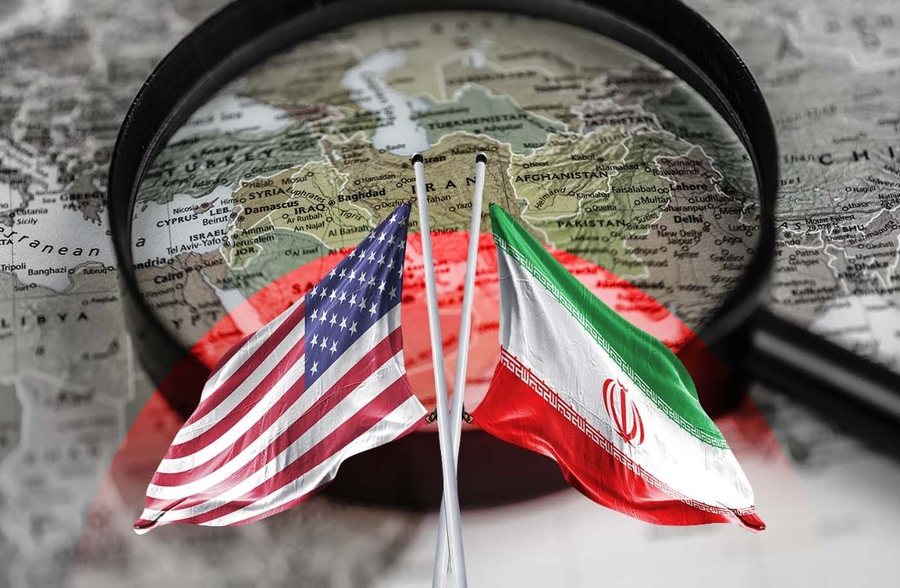
Plans to sign the memorandum of understanding were drawn up virtually over the last day to cement the deal quickly and avoid any immediate problems, officials familiar with the matter said.
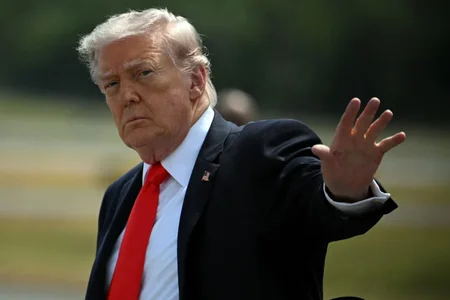
While President Donald Trump said last week that he expected the signing to take place in person in Europe, with Vice President JD Vance attending from the US, those plans did not materialize.
That's partly because of scheduling complications. The president and vice president don't travel abroad at the same time for security and continuity reasons, and Trump is scheduled to leave for the G7 summit in France early Monday. It would have been difficult to transport Vance to and from a signing event in Europe in time for Trump to depart.
Instead, an electronic signature was offered to finalize the deal. The fear among some brokers is that the longer it remains unsigned, the greater the likelihood that something will stall progress or one or both sides will not make the deal, according to a person familiar with the matter.
As things stand, Washington and Tehran have each offered somewhat contradictory explanations for what is included in the deal, including the financial relief Iran will receive. Whether these disagreements are simply differences in public messaging, or reflect something deeper that could cause the deal to collapse, remains unclear.


Lini një Përgjigje