


 Shkruar nga Pamfleti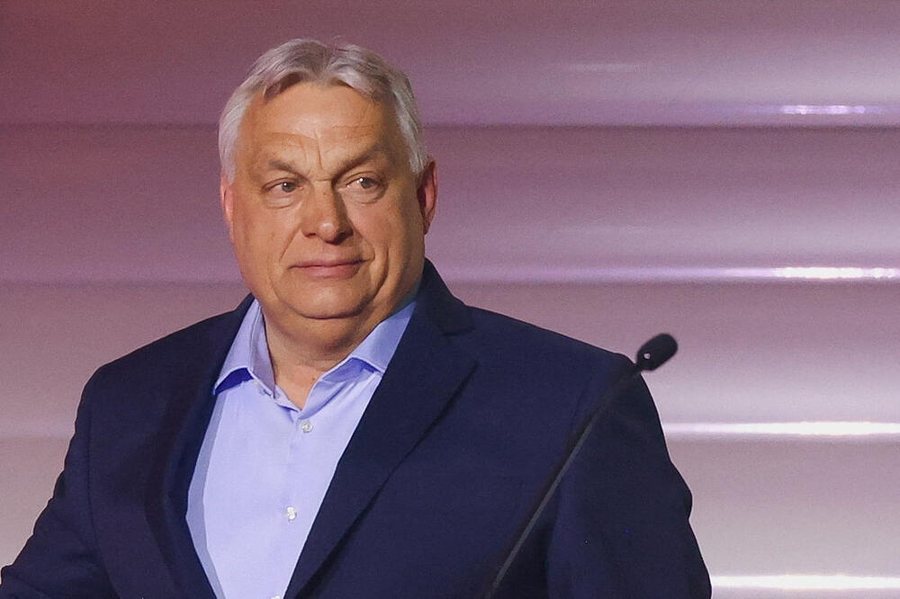
Hungary's former Prime Minister Viktor Orban has been re-elected as leader of the Fidesz party for a new term, despite a heavy defeat in April's parliamentary elections, where the center-right Tisza party, led by Prime Minister Peter Magyar, took power.
Orban's re-election was approved during the party's congress, where 729 of the 737 delegates present voted in his favor. He faced no opponents in the race, maintaining control of the political force that has ruled Hungary for 16 years.
In a speech before the vote, Orban declared that he has no intention of retiring from politics, despite criticism and increased pressure after losing the election.
"I don't give up, I never, never, never, never, never give up," he told delegates, taking full responsibility for Fidesz's poor electoral result.
The 62-year-old leader acknowledged that his party must adapt to the new political reality. According to him, Fidesz has functioned successfully as a governing force for more than a decade and a half, but now it must transform into an effective opposition ready to return to power in the future.
The defeat in the April 12 elections is considered the heaviest political blow to Orban since his return to power in 2010. The Tisza Party secured a two-thirds majority in Parliament, gaining the power needed to reverse constitutional reforms undertaken during Orban's rule.
According to recent polls, support for Fidesz has continued to decline since the election. A Publicus Institute poll in May showed Tisza enjoying 55 percent support, while Fidesz has fallen to just 17 percent, a significant drop compared to the 39 percent it received in the parliamentary elections.
Despite the result and criticism from some former close associates, Orban remains the dominant figure of Fidesz and aims to lead the process of rebuilding the party in opposition, with the aim of a possible return to power in the coming years.







Lini një Përgjigje