


 Shkruar nga Giulia Belardelli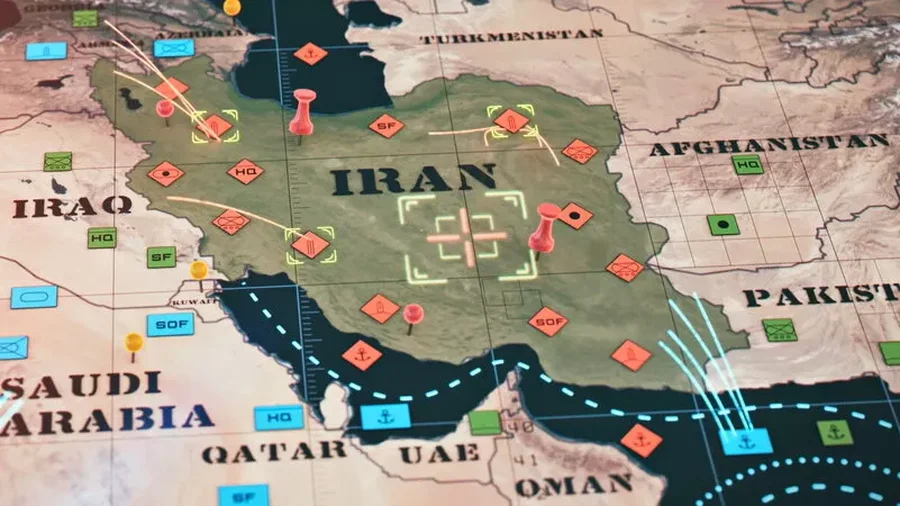
Without wishing to sound pessimistic, the agreement would not represent a peace agreement in itself, but the first step in a much longer process. If getting here has been extremely complicated, what comes next will be even more difficult...
If the United States and Iran are indeed close to signing an electronic signature on a deal brokered by Pakistan, it would bring to an end the first phase of the war that began on February 28 with “Epic Fury,” the joint operation undertaken by the United States and Israel. In practical terms, it is a genuine ceasefire and the reopening of the Strait of Hormuz: two very important results for reducing tensions in the region, but not enough to define a path towards stabilization.
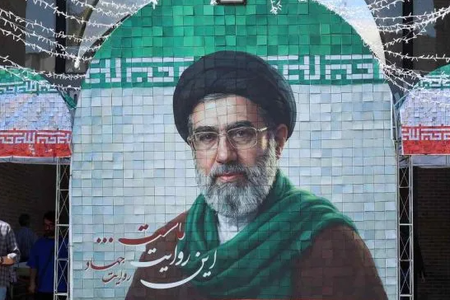
According to Pakistani Prime Minister Shehbaz Sharif, the right day would be Sunday, June 14; Donald Trump is also confident that the agreement will be signed and that freedom of navigation in the Persian Gulf will be restored immediately. The ceasefire would then allow the US president to enjoy celebrations for his 80th birthday, including mixed martial arts (MMA) matches at the White House, while giving the Islamic Republic time to prepare for Ali Khamenei's magnificent funeral, which will last six days, from July 4 to the burial in Mashhad on July 9.
However, without wanting to sound pessimistic, the agreement would not represent a peace agreement in itself, but the first step in a much longer process. If getting here has been extremely complicated, what comes after will be even more difficult.
As in the case of the so-called peace plan for Gaza, the second phase is expected to be full of obstacles, with new negotiations that will have to deal with at least five issues on which, so far, the parties have not come closer. For both actors, these are essential issues to support, on the domestic level, the narrative of a victory, something that Donald Trump needs on the eve of the midterm elections, while the Iranian regime needs to consolidate control over a population tired of repression and economic hardship.
There are at least five issues left for this second phase, which must be built within a 60-day period. The first concerns the terms of a new agreement on the Iranian nuclear program, an agreement that, from Trump's perspective, must be good enough to be presented as more favorable than the JCPOA signed in 2015 by Barack Obama.
Administrata Trump po lë të kuptohet se Irani ka pranuar çmontimin e programit të tij bërthamor dhe është angazhuar “për një kohë të pacaktuar” të mos ndërtojë armë bërthamore, por ende nuk është aspak e qartë se si do të realizohej kjo dhe cilët mekanizma do të viheshin në funksion për të garantuar zbatimin e marrëveshjes. Sipas ekspertëve, do të duhen javë, në mos muaj, vetëm për të përcaktuar këto aspekte. Donald Trump garanton se memorandumi është “një mur kundër armës bërthamore!”.
Më pas vjen çështja e uraniumit shumë të pasuruar që Irani zotëron tashmë. Zyrtarë të Shtëpisë së Bardhë kanë deklaruar në orët e fundit se marrëveshja në proces hartimi do të nisë procedurën e shkatërrimit ose largimit të këtyre rezervave, të cilat thuhet se janë të varrosura thellë nën tre objekte bërthamore të goditura nga sulmet amerikane vitin e kaluar.
Trump ka deklaruar në të kaluarën se Irani duhet të dorëzojë uraniumin e tij shumë të pasuruar, por ka lënë të kuptohet gjithashtu mundësinë që Shtetet e Bashkuara të mos arrijnë ta marrin atë. Ai ka sugjeruar se ushtria amerikane mund thjesht t’i “vulosë” zonat dhe t’i monitorojë ato. “Është aq thellë sa nuk më intereson”, deklaroi ai në prill.
Të premten, një zyrtar i lartë i administratës deklaroi se marrëveshja e përkohshme parashikon që uraniumi të “shkatërrohet në vend dhe më pas të nxirret jashtë vendit”, më pas ai pranoi se “do të duhet kohë për të kuptuar” saktësisht se si do të ndodhë kjo. Vetë Trump ka shkruar në rrjetet sociale se rikuperimi i “pluhurit bërthamor” mund të kryhet “në një moment të dytë”.
Siç thekson Blake, është e vështirë të imagjinohet se si Trump mund ta paraqesë këtë marrëveshje si një fitore të madhe pa siguruar uraniumin e pasuruar që Irani tashmë zotëron.
Pika e tretë ka të bëjë me heqjen graduale të sanksioneve amerikane ndaj Iranit dhe zhbllokimin e aseteve iraniane të ngrira. Regjimi, i përballur me vështirësi të mëdha ekonomike, synon të përfitojë maksimalisht: një draft iranian përmend zhbllokimin e 24 miliardë dollarëve asete të ngrira jashtë vendit brenda një periudhe 60-ditore; sipas Teheranit, gjysma e kësaj shume 12 miliardë dollarë duhet të vihet në dispozicion përpara nisjes formale të negociatave përfundimtare.
Administrata Trump ka përgënjeshtruar pjesërisht deklaratat triumfaliste të Iranit, por mund të luajë me paqartësinë. Nëse Trump ka përjashtuar kategorikisht “transferimin e parave”, zëvendëspresidenti i tij, JD Vance, ka deklaruar se “asnjë fond nuk do të zhbllokohet thjesht për shkak të nënshkrimit të një marrëveshjeje ose pjesëmarrjes në një takim”. Kjo lë të kuptohet se, në një moment të caktuar, fondet do të zhbllokohen realisht.
Sa i përket lehtësimit të sanksioneve, pozicioni amerikan është se kjo do të ndodhë “në një fazë të mëvonshme” dhe do të kushtëzohet nga ndryshimi real i sjelljes së Iranit dhe respektimi i detyrimeve të tij, gjithçka, siç shihet, ende për t’u përcaktuar.
The fourth point, on which a big question mark rests, is how Washington will ensure that, in the future, Tehran no longer uses the blockade of the Strait of Hormuz as its main negotiating tool, now that it recognizes the effectiveness of this tactic.
From this perspective, the war has given Iran a significant strategic victory, demonstrating its ability to negatively impact the global economy. Iranian Foreign Minister Abbas Araghchi has stated that Iran wants an agreement that would allow Tehran to charge ships for “services provided” while passing through the Strait, a reference to the tariff system established during the war.
Regardless of how this issue is resolved, the problem for the Americans remains how to avoid further deadlocks in the future. The fifth knot that must be resolved is how to manage relations between Iran and what remains of its regional allies, who, although weakened by Israeli military operations, continue to be part of the equation.
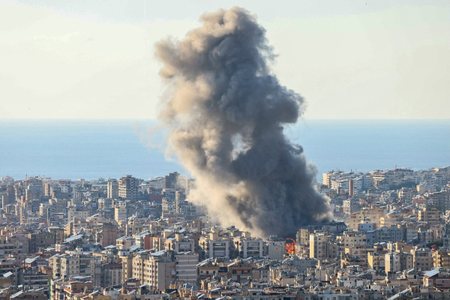
This is especially true of Hezbollah, the pro-Iranian Lebanese militia, which Israel continues to bomb. Tehran has always insisted that any agreement must include a ceasefire in Lebanon, but the Israeli government shows no sign of wanting to stop its war against Hezbollah.
The risk is that the second phase of these negotiations will also become entangled in a knot of problems where issues, instead of being resolved, will become even more difficult. This is what is happening in Gaza, where the operational transition to the key points of the second phase has been blocked. The National Committee for the Administration of the Gaza Strip has been created, but its capacity for action on the ground is almost negligible. The demilitarization and disarmament of Hamas remain objectives only on paper, while the group categorically refuses to hand over its weapons until Israel completes the envisaged withdrawals, which Israel has no intention of doing.
In recent days, talk of a large-scale military operation by the Israel Defense Forces has returned. The humanitarian situation remains dramatic and reconstruction remains a utopia.
As in the case of Gaza, the achievement of this first agreement is the news that the world is waiting for to breathe freely, as it would mean the silencing of the guns and an immediate economic relief as a result of the fall in global oil and gas prices. However, the risk of a “permacrisis” destined to escalate into open conflict does not seem to be avoided at all. / Adapted “Pamphlet” from “HuffPost”


Lini një Përgjigje