


 Shkruar nga Pamfleti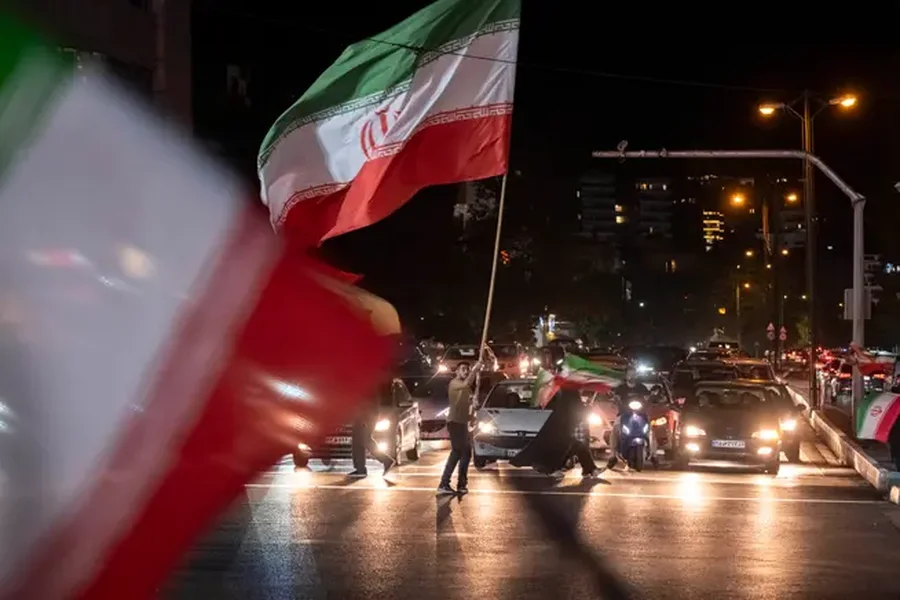
More than three months after the start of the war, the political leadership in Tehran is acting more aggressively than ever. A new generation of decision-makers is now determining the direction of Iranian politics.
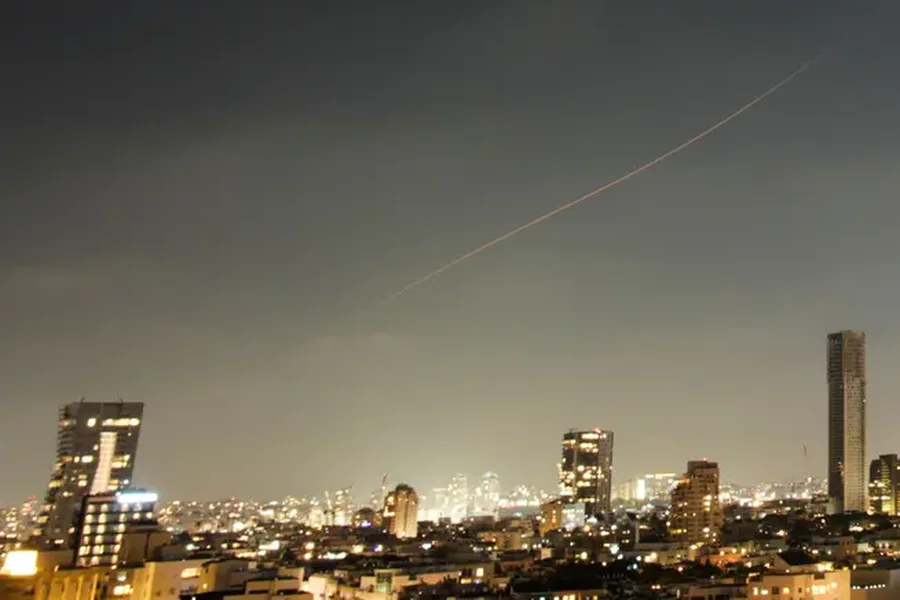
The time for restraint is over. For the first time since the ceasefire began on April 8, Iranian armed forces fired missiles into Israel on Sunday. In doing so, they responded to Israeli attacks on the Lebanese militia Hezbollah, Iran's most important ally in the region.
On Wednesday night, Tehran also said it had fired missiles at a US base in Jordan. Earlier, the United States had bombed targets in Iran in response to the downing of an Apache helicopter.
Until now, Iran has focused its military actions on targets in the Persian Gulf region. Now, Tehran appears to be expanding its attacks geographically to signal a readiness to escalate the conflict. The Iranians' aim is to put pressure on Israel and the US and reinforce their demand that any agreement with Washington include a ceasefire in Lebanon.
But where does this newfound confidence of the Iranian regime come from?
More than three months into the war and after thousands of airstrikes on targets across the country, the Iranian leadership remains in control. The very fact that the regime has survived gives Tehran a sense of strength, especially given that US President Donald Trump has repeatedly predicted the regime’s imminent collapse.
However, there are other reasons that explain Iran's increasingly assertive behavior. The ruling elite has changed strategy after the severe shocks of last summer and has, among other things, raised a new generation of leaders.
Tehran learned lessons from the 12-day war
After the end of the 12-day war a year earlier, the Islamic Republic was in a very difficult position. Few believed that the theocratic regime could survive another war against Israel and the United States, especially after in January 2026 thousands of Iranians took to the streets across the country to protest the dire state of the economy and political system.
“Many observers, inside and outside Iran, saw this as clear evidence that the mix of theocracy, repression, regional ambitions and the so-called economy of resistance had failed ,” says Simon Wolfgang Fuchs, professor of Middle Eastern Studies at the Hebrew University of Jerusalem.
He added that against this backdrop, Iran's comeback is more than surprising.
Dy ekspertët amerikanë të Iranit, Narges Bajoghli dhe Vali Nasr, argumentojnë në një artikull të publikuar së fundmi me titull “Strategjia e re e madhe e Iranit” (Iran’s New Grand Strategy) se regjimi iranian nxori mësime nga lufta dymbëdhjetëditore brenda pak muajsh.
Universitetet, institutet kërkimore dhe qendrat analitike iraniane organizuan debate gjatë javëve dhe muajve pas luftës për të analizuar çfarë kishte shkuar keq në qershorin e vitit të kaluar dhe çfarë ndryshimesh duheshin bërë për ta bërë shtetin më të qëndrueshëm.
Si rezultat, disa vendime të rëndësishme u transferuan nga Teherani në kryeqytetet provinciale. Këto të fundit fituan më shumë pavarësi për të marrë vendime, veçanërisht në çështje ekonomike, pa u varur nga qendra politike dhe administrative e Teheranit, e cila ishte një nga objektivat kryesore të sulmeve amerikane dhe izraelite.
Pavarësisht bombardimeve dhe bllokadës detare, jeta e përditshme në Iran vazhdoi në mënyrë relativisht të rregullt.
Regjimi u përgatit për një luftë të re
Sipas ekspertit Fuchs, Garda Revolucionare Iraniane, një lloj ushtrie paralele dhe instrumenti më i rëndësishëm i pushtetit dhe represionit të regjimit, e kishte zbatuar prej kohësh këtë parim decentralizimi në fushën ushtarake.
“Komandantët lokalë kishin relativisht shumë liri veprimi dhe nuk kishin nevojë gjithmonë për miratimin e shtabit qendror. Tani po mbështeten pikërisht te këto përvoja,” shpjegon ai.
Regjimi iranian u përgatit gjithashtu në aspektin e personelit për një konflikt të ri, potencialisht edhe më të ashpër. Para se të vritej në fund të shkurtit në një operacion të synuar izraelit, udhëheqësi suprem Ali Ajatollah Khamenei kishte urdhëruar personalisht që për çdo post të rëndësishëm të përcaktoheshin katër pasardhës të mundshëm.
Ky mekanizëm, i njohur shpesh si sistemi “mozaik”, kishte për qëllim të garantonte mbijetesën e regjimit.
Për këtë arsye, fakti që jo vetëm Khamenei, por edhe dhjetëra figura të tjera të larta u vranë që në ditën e parë të luftës, nuk e paralizoi udhëheqjen shtetërore.
Përkundrazi, argumentojnë Bajoghli dhe Nasr, përpjekja për të eliminuar drejtimin e Iranit përshpejtoi kalimin e pushtetit te një brez i ri vendimmarrësish.
Një brez i ri po përcakton drejtimin
Me “brezin e ri”, autorët nuk nënkuptojnë figurat e njohura publike si kryetarin e Parlamentit Mohammad Bagher Ghalibaf, komandantin e Gardës Revolucionare Ahmad Vahidi apo ministrin e Jashtëm Abbas Araghchi.
Ata i referohen brezit të tretë të Revolucionit Islamik: komandantëve më të rinj të Gardës Revolucionare, oficerëve dhe funksionarëve që janë rritur pas vitit 1979.
Sipas tyre, këta njerëz nuk e shohin veten si revolucionarë ideologjikë, por si menaxherë të shtetit. Ata luajnë rol si në politikë ashtu edhe në forcat e armatosura, ku marrin vendime operative dhe planifikojnë strategjinë ushtarake.
For this new generation, Islamic ideology is not the top priority. More important are Iran's territorial integrity, sovereignty, and deterrence.
For this reason, its representatives pursue a more pragmatic policy of power and security. According to Bajoghli and Nasr, the blockade of the Strait of Hormuz demonstrates strategic patience, while the rapid and orderly transition of power after the assassination of Ali Khamenei demonstrates the ability to act decisively when necessary.
In conclusion, the authors argue that this third generation has given the Iranian regime a new self-confidence.
“The new generation has also been shaped by the promise that Iran and the Shiite community will play a dominant role in the region,” Fuchs says, adding that “the fact that they think more in nationalist terms does not mean that they have given up on regional ambitions beyond Iran’s borders.”
Direct attacks on Israel, in response to actions against Hezbollah in Lebanon, seem to confirm this assessment.
The Iranian regime shows no signs of being willing to make concessions in negotiations to end the war. On the contrary, it intends to impose its conditions with all the means at its disposal. /Adapted from Pamphlet by NZZ/



Lini një Përgjigje