


 Shkruar nga Pamfleti
Analysts are equally concerned that Trump's peace deal could be jeopardized by Hamas's failure to return the bodies of all 28 Israeli hostages who died in captivity.
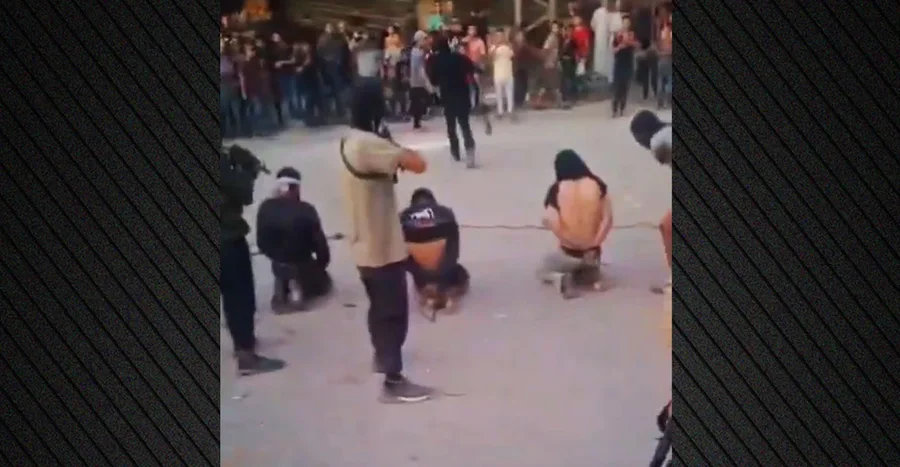
A separate civil war over who has the upper hand in Gaza appears to have erupted in the region following the agreement on the Trump plan, with Hamas battling four main factions for power.
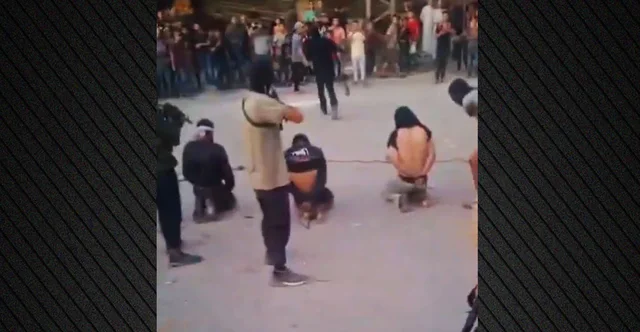
According to international media, after the "yes" to the Trump plan, he has deployed armed groups in Gaza, who do not hesitate to carry out public executions in the middle of the road, claiming that those being executed are "collaborators of Israel."
There are at least four factions in the opposing camp (Popular Force, Doghmosh, Al-Majayda, Hellis), some of which appear to be supported by Israel.
A victim of the clashes was, among others, journalist Saleh al-Jafarawi, known on Palestinian social media as Mr. FAFO, who, according to Al Jazeera, was killed in Gaza by fire from an Israeli-backed group.
The 4 ruling factions in Gaza
The first of the factions said to be clashing with Hamas is the Popular Force militia operating in the south, led by Yasser Abu Shabab.
The Shabab is said to have recruited hundreds of fighters into its militia, offering attractive salaries, with the Popular Forces numbering around 400 men, according to Reuters sources.
The Shabab is also said to be supported by Israel, with UN officials telling the Washington Post that its group has benefited from arms supplies from the Israeli state to resist Hamas. The Shabab denies these accusations, calling them Hamas propaganda.
The group appears to have expanded its control beyond the southern city of Rafah, "policing" areas under Israeli military control.
The Doghmosh faction is also considered a powerful armed group, with its leader, Mumtaz Doghmosh, having once declared allegiance to the Islamic State. He was previously a key member of the "Army of Islam" group that helped Hamas kidnap Israeli soldier Gilad Salih in 2006, through which the Palestinian terror organization secured the release of the architect of the October 7 attack, Yahya Sinwar.
Although Doghmosh has not been seen since the start of the war with Israel, his men have clashed repeatedly with Hamas, with at least 27 dead last weekend alone, according to the BBC.
Al-Jafarawi's death is also attributed to clashes between his group and Hamas gunmen.
The third pole in the "civil war" is considered to be the Al-Majayda faction, which is active in the southern part of Gaza, specifically in Khan Yunis.
In early October, Hamas men attacked members of this faction, resulting in several deaths.
The leader of Al-Majayda is considered to be Hussam al-Astal, who has been accused in the past of being supported by Israel, with Israeli media linking him to Al-Shabaab forces, something he denies.
As reported by the Israeli Ynet, al-Astal has presented himself as a savior from Hamas, claiming that the resistance in Gaza will "overthrow Hamas fighters forever."
However, on Monday, the head of the Al-Majayda faction expressed his support for Hamas' move to establish law and order in Gaza in a statement.
For their part, the Hellis control parts of the Shejaya suburb of Gaza City, with its leader, Rami Hellis, having joined forces with a local faction led by Ahmed Judea to take control of areas still under Israeli military control.
The Hellis have clashed repeatedly with Hamas since the group took control of the Gaza Strip in 2007, with Hellis' group being politically aligned with the Fatah party that currently governs the West Bank.
Although the Hellis are active in Israeli-occupied areas, it remains unclear whether they were one of the local factions that Tel Aviv supported in the fight against Hamas.



Show karikature me i ndyre i historise njerezore. Turp!
Besoj se Hamasi eshte krijese e izraelit. Thjesht justifikim per te pushtu palestinen. Gjynah njerezit e pafajshem