


 Shkruar nga Pamfleti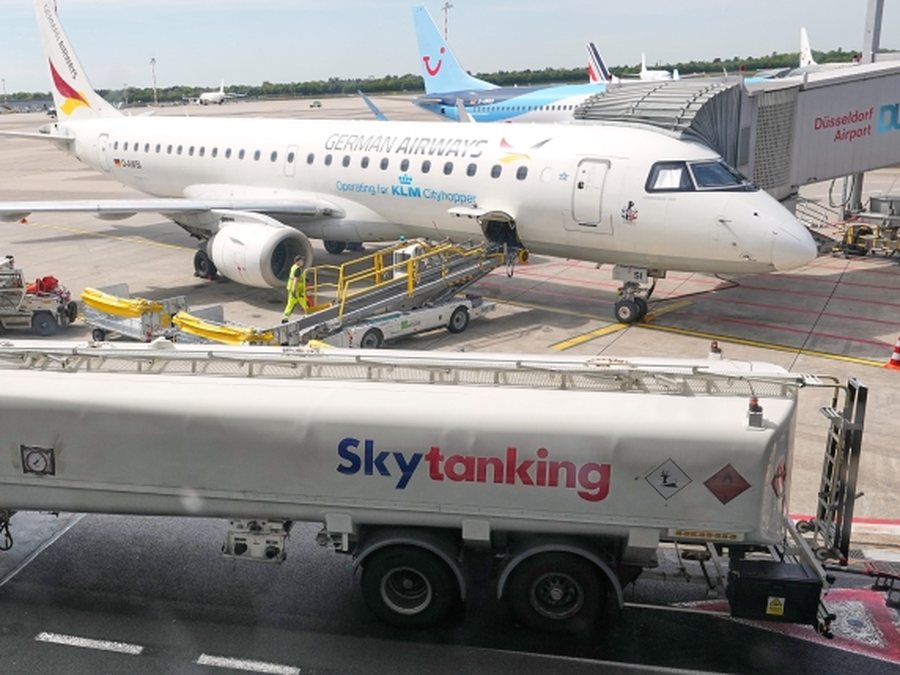
Airlines will not be obliged to pay compensation to passengers if a flight is cancelled due to a temporary fuel shortage at the airport, according to draft European Commission guidelines designed to deal with the current geopolitical situation that has disrupted aviation fuel supplies from the Persian Gulf.
According to the European Commission, a “local” fuel shortage could be considered an “extraordinary circumstance”, which would exempt companies from paying compensation of 250 to 600 euros per passenger, depending on the distance of the cancelled flight. Ticket reimbursement remains mandatory, however. According to experts in the sector, the publication of a “Notam”, the official notice of airworthiness, is sufficient to justify the situation.
In another part of the draft, which is still subject to change, the Commission clarifies that airlines cannot retroactively increase the price of previously purchased tickets to compensate for rising fuel costs, which have almost doubled since the end of February.
For tourist packages, Brussels recalls that organizers can increase the price by up to 8% due to increased fuel costs, but only if the traveler is informed at least 20 days before departure.
The European Commission assesses that the overall situation remains stable at present and there is no concrete evidence of a fuel shortage. However, it warns that a prolongation of the conflict could cause disruptions in supplies, particularly for jet fuel. For this reason, Brussels underlines that there is no ban on the use of American Jet A fuel, which differs slightly from the international Jet A1 standard.
The Commission does not foresee any flexibility in the rules on airport slots, take-off and landing rights. Airlines must use at least 80% of the allocated slot pairs, even if record fuel prices make operations less profitable.
Brussels adds that the situation remains evolving and that, if the crisis escalates towards a real fuel shortage, other measures may be considered to guarantee the operational continuity of companies and the normal functioning of supply chains in the European Union.



Lini një Përgjigje