


 Shkruar nga Pamfleti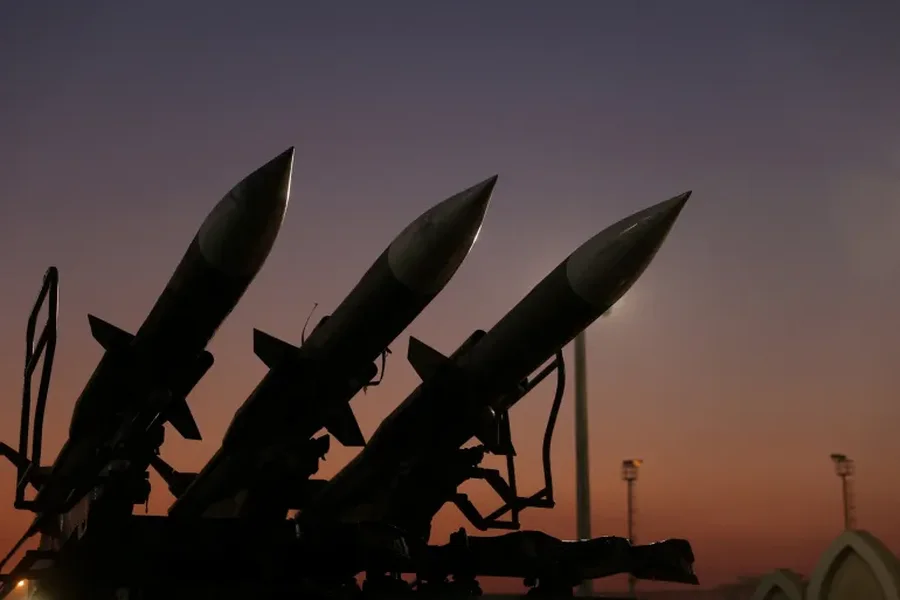
Iran said it used a new air defense system to shoot down a U.S. MQ-9 Reaper drone near the Strait of Hormuz earlier this week. Analysts say the incident shows Tehran has retained the ability to withstand U.S. and Israeli attacks despite months of bombing its military bases.
Iranian media reported that the drone crashed near Qeshm Island, adding that this was the first use in wartime of the locally developed system called "Arash-e Kamangir".
However, so far there has been no independent confirmation of Iran's claim of using this new air defense system.
The loss of a US drone near one of the world's most important shipping lanes comes as reports of new US strikes on an Iranian military base near Bandar Abbas. The Islamic Revolutionary Guard Corps (IRGC) later said it had struck a "US air base" in retaliation.
As tensions between the US and Iran continue to rise despite a fragile ceasefire, Tehran's claim of capturing a US drone has raised questions about the real state of Iranian air defenses and their ability to survive a new wave of attacks if negotiations fail.
What did Iran declare?
Iran's semi-official Fars news agency reported that the "Arash-e Kamangir" system was used to intercept a "hostile" reconnaissance drone over the Strait of Hormuz. The system has covert reconnaissance capabilities, the report said, although no technical details were given.
Iranian media described the operation as a warning to hostile aircraft operating near Iran's airspace and maritime borders, especially at a time when Tehran is trying to use partial control over the Strait of Hormuz as a leverage tool in negotiations with the US.
"This operation, which was carried out using a system with stealth capabilities, is a clear and decisive message from Iran," Fars quoted unidentified officials as saying.
The name “Arash-e Kamangir” is related to Persian mythology. Arash is considered a legendary hero who, according to folklore, shot an arrow to define the border between Iran and Central Asia and symbolizes resistance against foreign domination.
How credible is the claim?
Experts say the claim should be viewed with caution, as Iran has a long history of publicizing military advances that are often difficult to independently verify.
Megjithatë, analistët theksojnë se ideja e përgjithshme pas pretendimit është e besueshme, pasi Irani prej vitesh investon në sisteme më të lira, të lëvizshme dhe të prodhuara në vend, të projektuara për të kërcënuar dronët dhe avionët pa u mbështetur tek radarët e mëdhenj fiks, të cilët zbulohen më lehtë.
Mark Hilborne, lektor i lartë në shkollën e studimeve të sigurisë në King’s College London, tha për Al Jazeera se, edhe pse ka pak informacion të verifikuar për sistemin “Arash-e Kamangir”, pretendimi përputhet me strategjinë më të gjerë ushtarake të Iranit.
“Irani është bërë mjaft i vetë-mjaftueshëm në projektimin e raketave dhe, ashtu si Ukraina, ka qenë i zgjuar në ndryshimin e ekonomisë së luftës. Sistemet e lira dhe të thjeshta mund të vënë në rrezik sisteme shumë më komplekse”, tha ai.
Sipas analistëve, rrëzimi i raportuar i dronit Reaper mund t’i detyrojë SHBA-të të mbështeten më shumë në raketa të kushtueshme dhe më pak në dronë gjatë operacioneve kundër Iranit.
Në të njëjtën kohë, Teherani mund të vazhdojë përdorimin e dronëve Shahed me kosto relativisht të ulët, gjë që mund t’i japë avantazh ekonomik në një konflikt afatgjatë.
Çfarë mund të jetë “Arash-e Kamangir”?
Analistët që folën për Al Jazeera thanë se sistemi mund të mos jetë një armë revolucionare, por pjesë e tranzicionit të Iranit drejt sistemeve më të lëvizshme dhe më pak të kushtueshme të mbrojtjes ajrore.
Alex Almeida, analist sigurie në Horizon Engage me bazë në Nju Jork, tha se sistemi mund të jetë një zhvillim i sistemeve ekzistuese iraniane me rreze të shkurtër ose të gjatë veprimi tokë-ajër.
“Dyshoj se është një zhvillim i mëtejshëm i njërit prej këtyre sistemeve. Nuk mbështetet në udhëzime fikse nga radarët tradicionalë të mbrojtjes ajrore. Ndoshta përdor udhëzim elektro-optik ose teknologji të kërkimit të nxehtësisë”, tha ai.
Sipas ekspertëve, avantazhi kryesor i këtyre sistemeve është lëvizshmëria. Ndryshe nga rrjetet tradicionale të mbrojtjes ajrore, të cilat varen nga radarë dhe platforma të mëdha lëshimi që identifikohen lehtësisht, sistemet më të vogla mund të zhvendosen, të fshihen dhe të zëvendësohen shumë më shpejt.
Disa prej tyre janë projektuar që të qëndrojnë në ajër dhe të presin objektivin, ndërsa të tjera funksionojnë si armë kundër dronëve ose sisteme kundërajrore me rreze të shkurtër veprimi.
Ekspertët thonë se kjo i bën dronët si MQ-9 Reaper veçanërisht të cenueshëm, pasi ata lëvizin ngadalë dhe përdoren kryesisht për mbikëqyrje.
Nicole Grajewski, profesoreshë asistente në universitetin Sciences Po në Paris, tha se Irani mund të ketë ende nevojë për sisteme më të forta të mbrojtjes ajrore me rreze të mesme dhe të gjatë veprimi, por shtoi se sistemet mobile kanë avantazhe të qarta.
“Vlera e tyre është se mund të lëvizen shpejt. Janë sisteme të lëvizshme lëshimi dhe në disa raste mund të përdoren edhe nga një person i vetëm”, tha ajo.
Why this matters:
Iran's main air defense network is believed to have been severely damaged by Israeli and American attacks. It relies largely on older surface-to-air missile systems and Russian-supplied systems, including the S-300.
However, experts say the new system suggests that Iran still retains capabilities that could create a persistent and difficult-to-completely eliminate aerial threat.
These systems may not be able to stop a broad air offensive, but they could force the US and Israel to use more costly weapons and operate from greater distances.
According to Grajewski, Iranian military strategy is not based on technological superiority, but on resistance, durability, and mobility.
She said that unless the US or Israel can completely eliminate Iran's ability to respond, any new attack could lead to further escalation in the Persian Gulf and disruption of traffic through the Strait of Hormuz, with consequences for global energy markets.








Lini një Përgjigje