


 Shkruar nga Pamfleti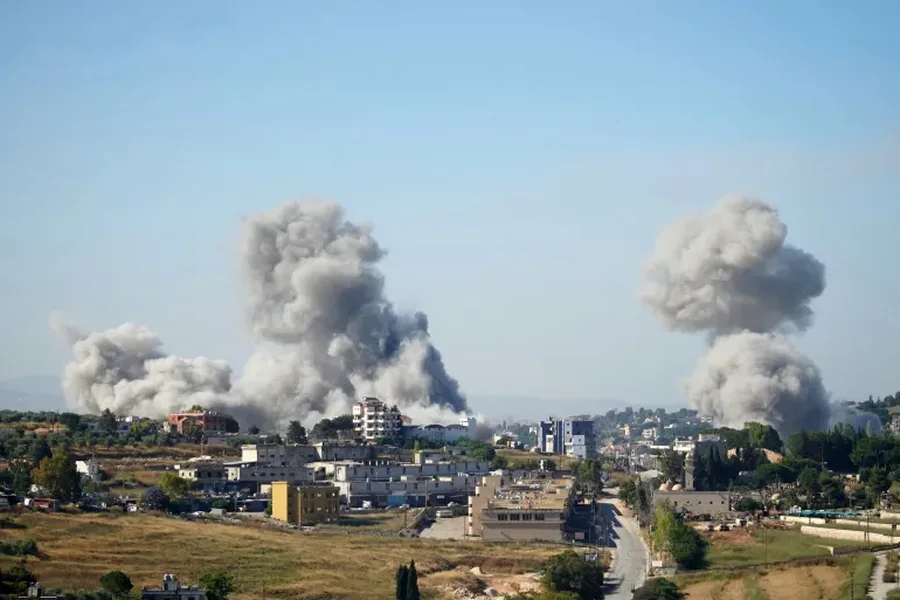
Tehran announces a ban on maritime traffic on one of the world's most important energy routes, linking the decision to deadly Israeli attacks in southern Lebanon and warning of further measures if the escalation continues.
Iran has announced the closure of the Strait of Hormuz to shipping, presenting the move as a response to recent Israeli attacks on Lebanon. The Khatam al-Anbiya Central Military Command stated that the attacks constitute a violation of previous agreements and commitments, warning that further measures may be taken if the situation continues to deteriorate.
In a statement broadcast on Iranian state television, military authorities said the closure of the Strait of Hormuz was a "first step" in response to recent developments. According to the statement, Tehran will consider further action if the aggression, as it calls it, does not stop.
The Strait of Hormuz is considered one of the most strategic corridors of global trade. A significant portion of the world's oil and natural gas exports pass through this sea route, so any restrictions on traffic there could have significant consequences for international energy and transport markets.
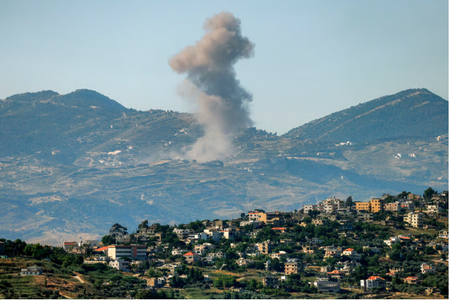
The announcement comes at a time when tensions in the Middle East have risen sharply. According to reports, just a day after a ceasefire agreement was reached, Israeli attacks in Lebanon caused at least 22 casualties on Friday.
Meanwhile, the Government Media Office in Gaza accused Israel of violating the ceasefire in the Gaza Strip 3,338 times since it came into effect. According to the office, these violations have resulted in the deaths of 1,012 people and the injury of more than 3,200 others.
In Lebanon, senior Hezbollah official Ali Fayyad said the group would not accept a ceasefire as long as Israeli troops remained on Lebanese territory. He warned that any new attack would be met with a response.
Criticism of the government has also increased within Israel. Former Defense Minister Moshe Ya'alon told Channel 12 that the country is "paying the price for the illusions of Prime Minister Benjamin Netanyahu and his government."
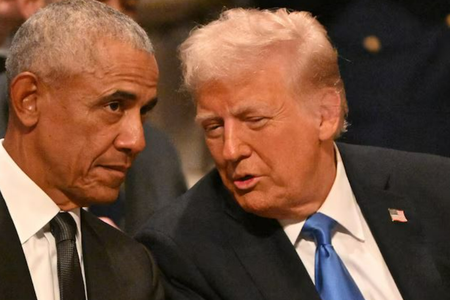
In the United States, former President Barack Obama criticized the Trump administration's agreement with Iran, telling NBC that Washington is in a more disadvantaged position compared to the period before its achievement.
The situation remains tense, while the international community is following developments with concern, especially after Iranian warnings that could directly affect energy security and global economic stability.




Lini një Përgjigje