


 Shkruar nga Pamfleti
An analysis argues that a global rivalry is developing between a bloc of Eurasian autocracies led by China and a naval coalition led by the United States. According to the author, the West's economic superiority remains great, but political unity is weakening...
The rivalry between the great powers is entering a new phase that resembles the classic clashes of history, but is taking place under completely different conditions. In the analysis "Heartland vs. Rimland: The Battle Lines in the War for the Next Global Order", published in Foreign Affairs, the author argues that the world is returning to the geopolitical logic of the clash between the continental powers of Eurasia and the naval coalition led by the United States. However, unlike the Cold War, today's competition is not only taking place in the military field. Technology, economics, supply chains, digital infrastructure and control over global networks have become as important as tanks, aircraft and naval fleets.
The author draws on the theories of political geographers Halford Mackinder and Nicholas Spykman. Mackinder argued that control of the heartland of Eurasia created the basis for global dominance, while Spykman argued that the key to international balance was control of the coastal strip (the Rimland), where the population, economy, and major sea routes were concentrated.
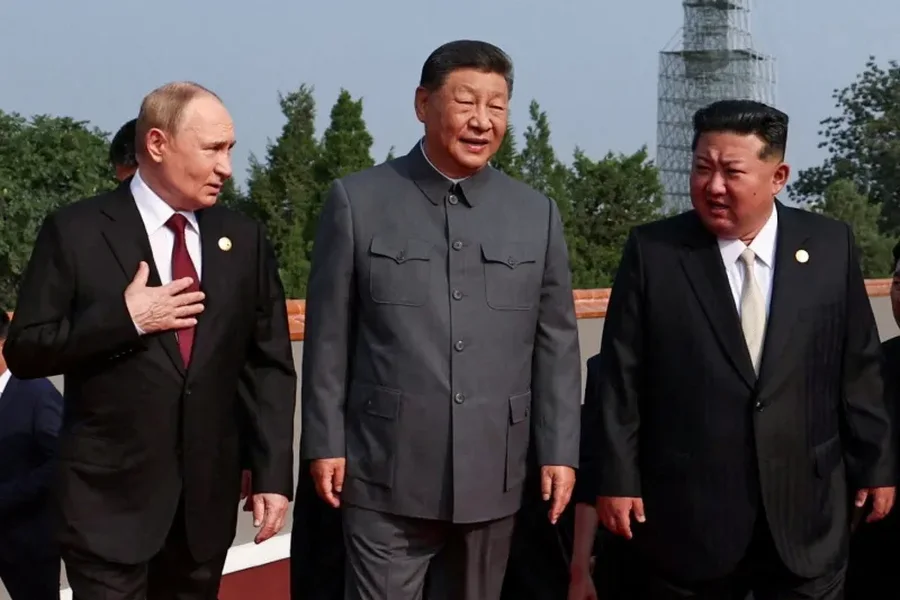
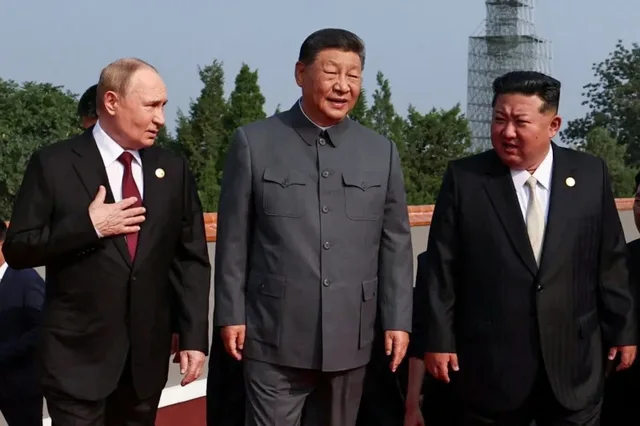
According to the analysis, the current rivalry reflects precisely this pattern. China, Russia, Iran and North Korea represent the core of a new "Heartland" that seeks to change the international order built after the end of the Cold War. Opposing them is the US-led coalition, which includes Europe, Japan, South Korea, Australia and other partners in the Indo-Pacific.
However, the author emphasizes that this "Heartland" is not a single empire like the Soviet Union. It is made up of different regimes, which cooperate not because of a common ideology, but because they share an interest in limiting American influence and challenging the liberal international order.
China at the center of the Eurasian axis
The analysis considers China to be the main actor in this new strategic configuration. According to the author, Beijing is building a long-term power project that rests on three pillars.
First, continental expansion through the "Belt and Road" initiative, which connects Asia, Europe and Africa with infrastructure corridors, investments and loans. Beyond the economic benefits, this initiative creates financial dependence and political influence in many countries.
Së dyti, Kina po zhvillon fuqinë e saj detare me ritmin më të shpejtë në botë. Flota kineze është bërë më e madhja për nga numri i anijeve dhe mbështetet nga një industri ndërtimi detar me kapacitete të jashtëzakonshme. Krahas mbrojtjes së brigjeve, Pekini synon të projektojë fuqi në Paqësor dhe më gjerë.
Së treti, Kina po investon në dominimin digjital. Përmes rrjeteve 5G dhe 6G, inteligjencës artificiale, sistemeve të pagesave elektronike, kabllove nënujore dhe teknologjive të mbikëqyrjes, ajo po ndërton një infrastrukturë që mund t'i japë ndikim afatgjatë mbi ekonominë dhe komunikimet globale.
Autori argumenton se kombinimi i këtyre tre dimensioneve, tokësor, detar dhe digjital, e bën Kinën sfidën më të madhe strategjike për SHBA-në.
Një bosht pragmatik
Ndryshe nga aleancat klasike ushtarake, bashkëpunimi midis Kinës, Rusisë, Iranit dhe Koresë së Veriut mbështetet kryesisht në interesa të përbashkëta.
Kina furnizon Rusinë me teknologji, pajisje industriale dhe mbështetje ekonomike që zbusin efektet e sanksioneve. Rusia ofron sisteme të avancuara ushtarake dhe teknologji mbrojtëse. Irani dhe Koreja e Veriut kanë kontribuar me dronë, raketa dhe municione në mbështetje të luftës ruse në Ukrainë.
Megjithatë, autori vëren se ky bashkëpunim ka kufij të qartë. Kina dhe Rusia nuk janë të gatshme të hyjnë automatikisht në luftë për të mbrojtur partnerët e tyre. Marrëdhëniet e tyre mbeten pragmatike dhe transaksionale, ndërsa interesat strategjike mund të përplasen në rajone si Arktiku ose Azia Qendrore.
Një nga argumentet kryesore të analizës është se konkurrenca globale ka ndryshuar natyrë.
Sipas autorit, fuqitë revizioniste nuk kanë nevojë të pushtojnë territore të mëdha për të dobësuar kundërshtarët. Sulmet kibernetike, dezinformimi, ndërhyrjet në rrjetet energjetike, kontrolli mbi mineralet kritike dhe varësia nga teknologjitë kineze mund të prodhojnë pasoja strategjike pa përdorur forca të mëdha ushtarake.
Autori përmend sulmet ndaj infrastrukturës amerikane, zhvillimin e raketave me precizion të lartë, armët hipersonike dhe zgjerimin e arsenaleve bërthamore si elemente që rrisin koston e ndërhyrjes amerikane në rast krizash rreth Tajvanit ose në Evropën Lindore.
Po aq e rëndësishme konsiderohet edhe aftësia e Kinës për të ushtruar presion ekonomik përmes kontrollit të mineraleve të rralla, baterive, gjysmëpërçuesve dhe komponentëve të tjerë kritikë për industrinë moderne.
Përparësitë e "Rimland"-it
Megjithëse analizon rritjen e fuqisë së Kinës dhe partnerëve të saj, autori argumenton se koalicioni i udhëhequr nga SHBA-ja ruan ende epërsi të dukshme.
Amerika e Veriut, Bashkimi Evropian, Japonia, Koreja e Jugut, Australia dhe partnerët e tjerë prodhojnë rreth gjysmën e Prodhimit të Brendshëm Bruto botëror. Ata dominojnë sektorët më fitimprurës të teknologjisë së lartë, financës, bioteknologjisë, industrisë ajrore dhe gjysmëpërçuesve.
The international financial system continues to rely mainly on the dollar and Western institutions, while the markets of democratic countries remain the main destination for many countries' exports.
In the energy field, the US has become the largest producer of oil and natural gas, significantly reducing dependence on imports and increasing the ability to support allies.
According to the author, even Chinese dominance in critical minerals is being challenged by American, Australian, Japanese, and European investments in building alternative supply chains.
Main weakness: lack of unity
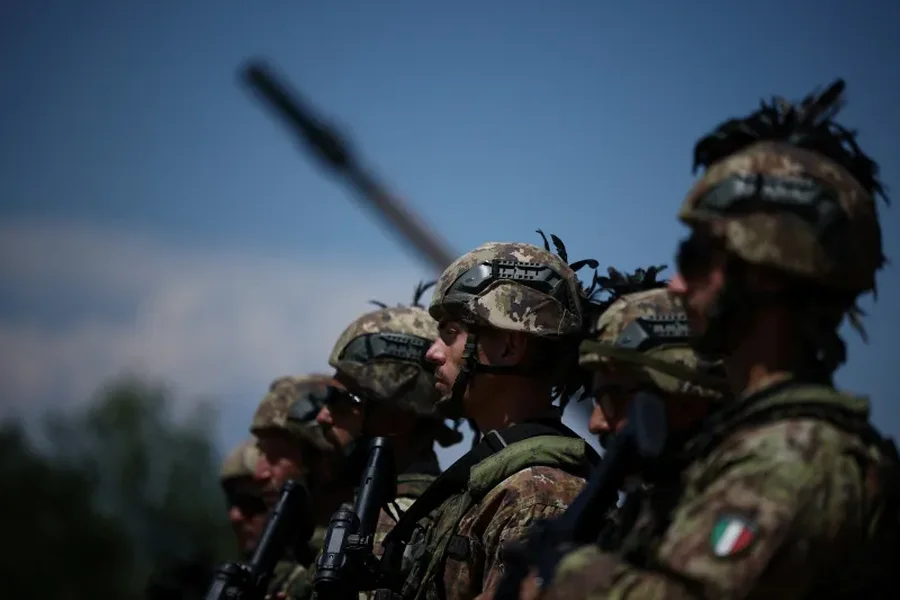
For the author, the West's biggest problem is not a lack of resources, but a lack of coordination.
Diverging economic interests, dependence on trade with China, political polarization in the US, and rising protectionist tendencies have weakened the alliance's cohesion.
He argues that many allies have underinvested in defense for decades and still rely on American guarantees. At the same time, Washington has occasionally displayed unilateralist tendencies that have created uncertainty among partners.
According to the analysis, this division constitutes the greatest strategic advantage of the Eurasian axis.
The author argues that the answer should not be limited to increasing military presence. He proposes building an integrated system where allied countries coordinate: industrial production; technological development; protection of supply chains; control of strategic investments; exports of sensitive technologies; defense industry.
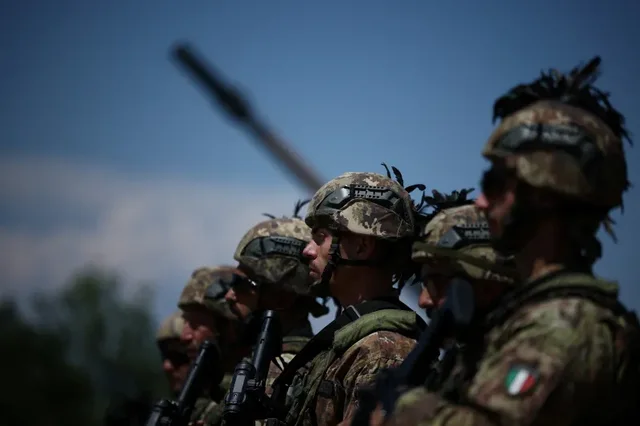
On the military front, he calls for strengthening Taiwan's defenses, increasing NATO's presence on the eastern flank, continuing support for Ukraine, and developing a joint industrial base that can supply a long-term conflict. Only a more economically, technologically, and militarily integrated "Rimland" can maintain its edge over rivals, he says.
The author writes that the international order will not be determined solely by traditional military balance. Power in the 21st century stems from the ability to control technology, finance, energy, digital networks, and global supply chains.
The article argues that China and its partners have built a multidimensional challenge to the US-led order. However, it assesses that the Western coalition continues to enjoy significant economic, technological and financial superiority. According to him, the crucial question is not whether the West has the resources to maintain this advantage, but whether it is willing to organize them into a common and long-term strategy. /Adapted from Pamphlet by ForeignAffairs/






Pordhe me rigon. Koniukturat nderrojne cdo jave.