


 Shkruar nga Pamfleti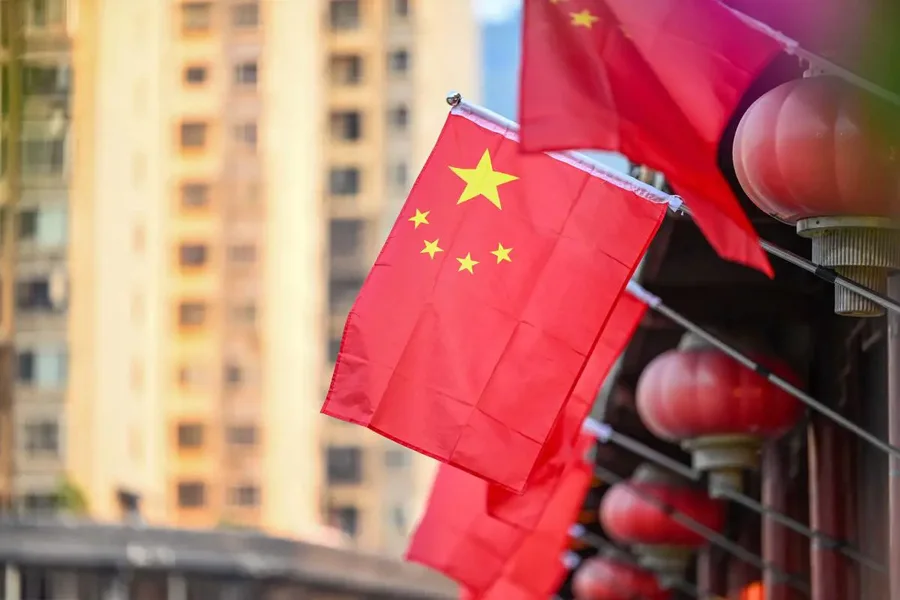
Military attaches, training and arms supplies to the Balkans: Eastern Europe is becoming China's new strategic laboratory...
Central and Eastern Europe has become one of the most important fronts of Chinese military diplomacy. Beijing is consolidating a cautious but persistent presence in countries along the eastern flank of the European Union and NATO. The war in Ukraine has accelerated this interest, turning the region into a strategic laboratory where military developments, intelligence activities and geopolitical competition between great powers intertwine. Monitoring what happens between the Baltics, the Balkans and Central Europe means better understanding the evolution of security balances in Europe.
The Chinese variable in Eastern Europe
According to an analysis published by the think tank China Observers, one of the main instruments that Beijing uses to consolidate its presence on the eastern flank of the European Union is the network of military attaches in Chinese embassies in the region.
Of the 22 countries in Central and Eastern Europe, a full 20 host accredited Chinese military representatives. The only exceptions are Kosovo and Lithuania, due to diplomatic disputes that each of them has with the People's Republic of China.
Officially, these officials deal with cooperation, institutional exchanges, and relations with the armed forces of host countries. However, many Western studies emphasize that their role also includes information gathering and strategic analysis.
The extensive presence of these officers reflects the importance that Beijing attaches to the region, which is today considered a privileged vantage point to closely follow developments in the war in Ukraine, the strengthening of NATO's presence, and the growing spread of military technologies from Asian countries.
The appearance of Taiwanese drones in Eastern European markets, the use of South Korean-made weapons by several countries in the region, and North Korea's involvement in the conflict are elements that fuel the interest of the Chinese security apparatus. In this context, military attaches play an essential role for the Asian giant.
Beijing's military diplomacy
But that's not all. China also conducts more visible military diplomacy through exercises, bilateral meetings, and even arms supplies.
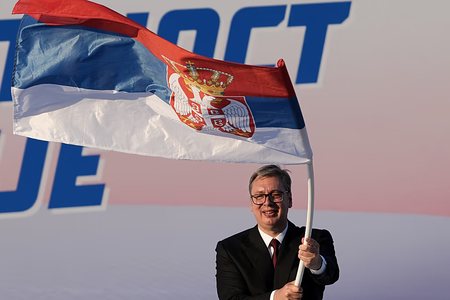
The most significant case is that of Serbia, Beijing's main partner in the Balkans. In recent years, Belgrade has purchased Chinese weapons systems, including drones and air defense systems, becoming the largest regional customer of the Chinese military industry.
In the summer of 2025, the two countries also organized the joint "Guardian of Peace" exercise, which raised concerns in several European capitals.
Even outside the Balkans, China uses the military dimension as an instrument of strategic communication. The exercises held with Belarus near the Polish border in 2024 were interpreted as a signal directed at NATO and Eastern European countries.
China's ultimate objective is not only to increase its political influence on the eastern periphery of the Old Continent, but also to understand in advance, or at least try to do so, the transformations of the European strategic landscape.
For this reason, Eastern Europe is becoming a crucial link in China's international projection and its long-term strategy on the continent. / Pamphlet /



Lini një Përgjigje