


 Shkruar nga Brendan Cole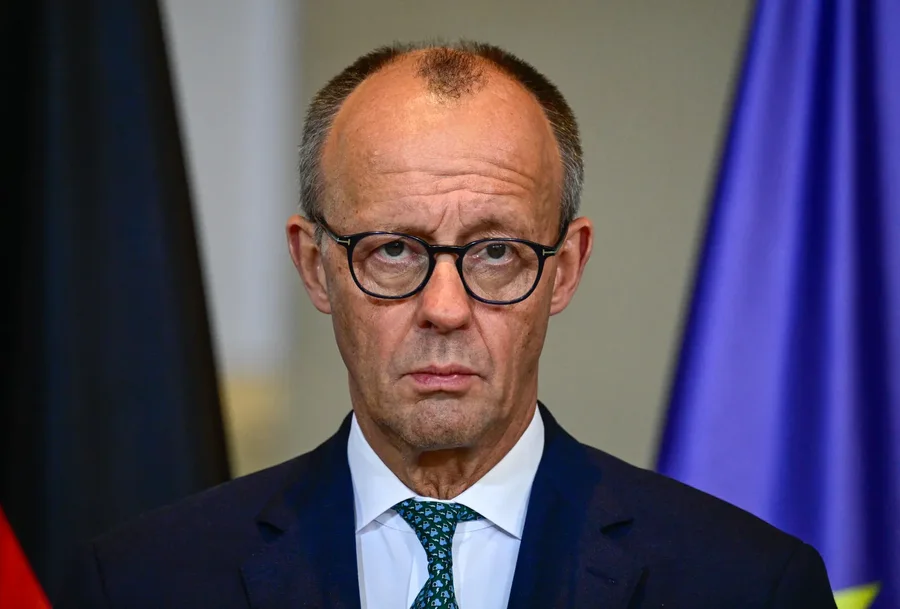
The threat situation for Europe and Germany has deteriorated significantly since 2022, the year of the Russian invasion of Ukraine, and as such, NATO and its allies have adjusted their capability objectives.
Comments by President Donald Trump's envoy to NATO, which suggest that Germany take over the American role of the alliance's European commander, signal Washington's disengagement from European security issues, a retired U.S. Navy officer told Newsweek.
Matthew Whitaker, the US ambassador to NATO, told the Berlin Security Conference earlier this month that he hoped a German would become the Supreme Allied Commander Europe (SACEUR), overseeing the alliance's military activities in Europe, a role that has been held by an American since NATO's creation.
Whitaker's comments come after rumors that the US wants to withdraw from this role and suggest that the Trump administration would like to see Germany replace the US as Europe's main security guarantor.
Butch Bracknell, a retired Navy officer with NATO deployments to SFOR and ISAF, and a NATO civilian for more than 8 years, told Newsweek that such a move would mean the US would give up influence and the ability to direct the alliance's military functions.
Newsweek has contacted NATO and the German defense ministry for comment.
Whitaker's comments follow Trump's rhetoric about the alliance, whose European members he has criticized for not spending enough on defense. Although analysts have raised concerns about the U.S. role in defending Europe, Whitaker told the Berlin conference that the Trump administration was still committed to NATO.
Whitaker also said he was impressed by Berlin's efforts to increase defense spending, with German Chancellor Friedrich Merz pledging this year to build the "strongest conventional military" in Europe. Roger Hilton, a defense fellow at the think tank GLOBSEC, told Newsweek that Whitaker's comments indicate that the U.S. intends to continue reorganizing its assets outside of Europe and sees Asia as its top geopolitical priority.
What do you need to know?
An American has been in command of SHAPE (Supreme Headquarters Allied Powers Europe) since Dwight D. Eisenhower, a World War II hero and later U.S. president, took command in 1950. The post is currently held by U.S. Air Force General Alexus G. Grynkewich.
Whitaker i tha konferencës së sigurisë në Berlin se mezi priste ditën kur Gjermania të thoshte se ishte gati të merrte përsipër pozicionin, megjithëse shtoi se “jemi shumë larg kësaj”, sipas gazetës britanike Telegraph .
Gjeneral-lejtnant Wolfgang Wien, përfaqësuesi i Gjermanisë në NATO dhe BE, tha se ishte i befasuar nga sugjerimi. Ai tha se ndërsa Berlini mund të merrte përgjegjësi të reja, posti konsiderohej kryesisht si një përgjegjësi amerikane, raportoi Telegraph.
Bracknell i tha Newsweek se në çdo komandë operative të NATO-s, amerikanët pothuajse gjithmonë futen në pozicione kyçe.
Kjo do të thotë që SHBA-të ushtrojnë njëfarë kontrolli mbi aleancën, gjë për të cilën evropianët bien dakord sepse “ndihmon në mbajtjen e amerikanëve hiper të angazhuar”, pavarësisht distancës gjeografike, tha ai.
Megjithatë, Bracknell tha se heqja dorë nga roli i SACEUR nga SHBA-të ndaj një evropiani do të thoshte humbje e ndikimit të SHBA-së në NATO dhe do të ishte një shenjë e shkëputjes së SHBA-së nga Evropa. Ai tha gjithashtu se kishte oficerë me katër yje nga shumë vende të NATO-s, jo vetëm Gjermania, të cilët gjithashtu mund ta përballonin këtë sfidë.
Hilton tha se Whitaker po sinjalizonte se SHBA-të e shohin Azinë si teatrin kryesor gjeopolitik dhe do t'i riorientojnë asetet e tyre jashtë Evropës.
Ai nuk i vlerësoi komentet e Whitaker si një gabim të madh apo kërcënim për çështjet transatlantike, pasi ato theksuan një afat të gjatë kohor dhe sugjeruan se aftësitë ushtarake midis partnerëve transatlantikë përfundimisht do të barazoheshin.
Deklarata e Whitaker i ka dhënë gjithashtu Berlinit një votë të madhe besimi, ndoshta edhe një rritje egoje, tha Hilton, duke shtuar se zëvendësimi i një evropiani me një amerikan si SACEUR, do të përfaqësonte një fazë të re në Evropë që merret me sigurinë e saj, ende të mbështetur nga SHBA-të.
Pikantet nga deklaratat
Matthew Whitaker, ambasadori i SHBA-së në NATO, tha 0për Telegraph se “pres me padurim ditën kur Gjermania të vijë në Shtetet e Bashkuara dhe të thotë se jemi gati të marrim përsipër pozicionin e omandantit Suprem të Forcave Aleate. Mendoj se jemi shumë larg kësaj.”
Roger Hilton, bashkëpunëtor i mbrojtjes në grupin e ekspertëve GLOBSEC, u shpreh se “komentet nga ambasadori Whitaker tregojnë sinjalizimin më të qartë se SHBA-të e shohin Azinë si teatrin kryesor gjeopolitik dhe se kanë ndërmend të vazhdojnë riorganizimin e aseteve të tyre jashtë Evropës.”
Butch Bracknell, oficer i pensionuar i Marinës me dislokime të NATO-s shprehet se “nëse SHBA-të ia dorëzojnë SACEUR një evropiani, duhet ta kemi të qartë se po heqim dorë nga një ton ndikimi dhe aftësie për të drejtuar funksionet ushtarake të NATO-s dhe kjo do të interpretohet nga evropianët si një sinjal i qartë i shkëputjes amerikane nga çështjet e sigurisë evropiane.”
Çfarë ndodh më pas ?
Whitaker suggested there had been no imminent move by Germany to take over the role of SACEUR, but Berlin continues its policy of strengthening its armed forces with increased spending and recruitment, which could alter its influence within NATO.
German lawmakers are voting next month on legislation requiring all 18-year-old men to complete a questionnaire regarding their ability to perform military service and their readiness.
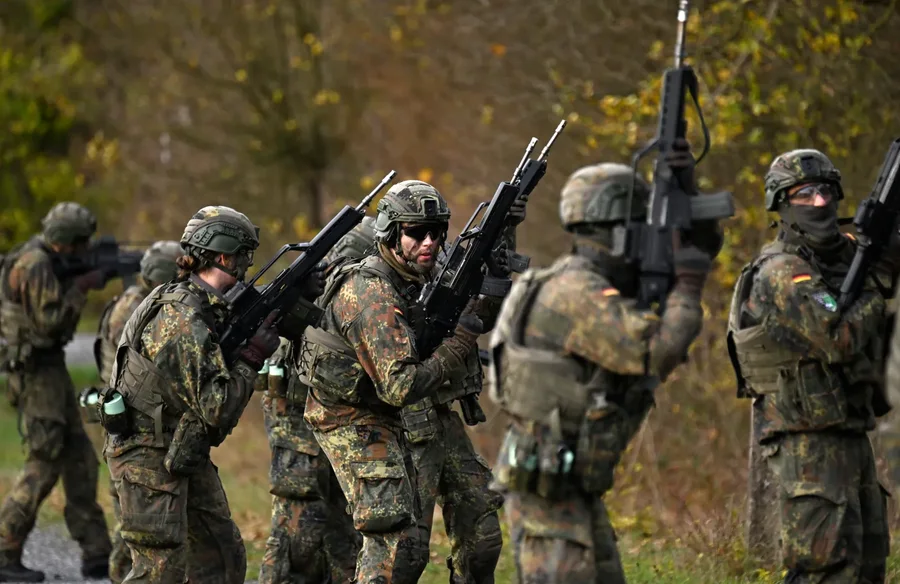
A Bundeswehr spokesman told Newsweek that “the threat situation for Europe and Germany has deteriorated significantly since 2022,” the year of the Russian invasion of Ukraine, and as such, NATO and its allies have adjusted their capability objectives.
This will result in an overall military requirement for the Bundeswehr in the future of approximately 460,000 soldiers, an increase in personnel numbers to approximately 260,000 active soldiers and around 200,000 reservists by the middle of the next decade. / Adapted from Newsweek /



Lini një Përgjigje