


 Shkruar nga Pamfleti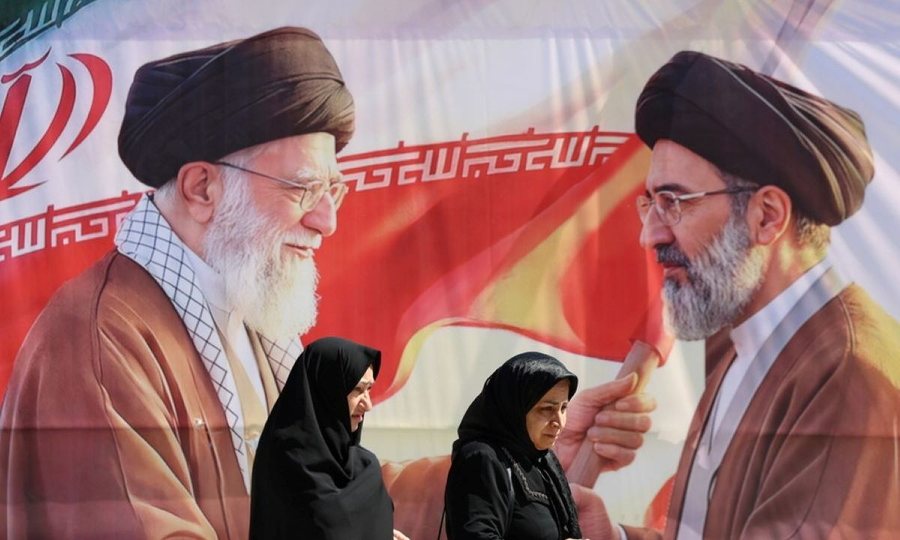
Iranian funds blocked abroad have become a major sticking point in negotiations between Washington and Tehran over a ceasefire and the nuclear program.
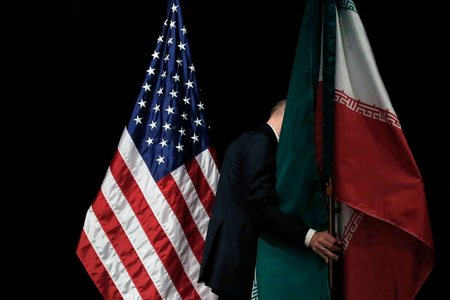
Negotiations between the United States and Iran for a possible peace deal are facing a new obstacle: about $24 billion in Iranian funds frozen in banks and financial institutions around the world.
According to Iranian media and sources close to the talks, the issue of frozen assets has become the latest sticking point between the two sides, as diplomatic efforts to end tensions in the Middle East continue.
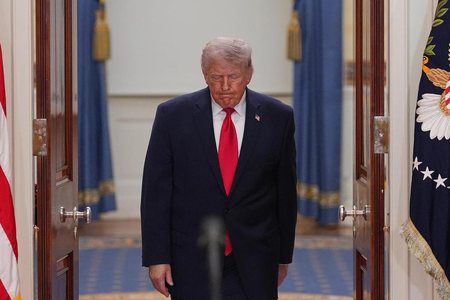
The Trump administration is seeking guarantees that Iran will not develop nuclear weapons and is insisting on opening the strategic Strait of Hormuz. In return, Tehran is demanding the lifting of the US naval blockade, guarantees of its sovereignty and immediate access to frozen funds.
According to the Iranian Fars news agency, Iran aims to recover some of the payments blocked abroad, which are mainly related to oil and gas exports. Diplomatic sources say Tehran is seeking the immediate release of $24 billion as part of a memorandum of understanding that would pave the way for broader negotiations.
A significant portion of these funds are located in Qatar. Only $6 billion is related to Iranian oil sales to South Korea, which were blocked after the reimposition of US sanctions in 2018 following the Trump administration's withdrawal from the Iran nuclear deal. The funds were expected to be released in 2023 as part of a prisoner swap between the US and Iran, but the process was halted after the October 7 attacks on Israel by Hamas.
Officials and analysts estimate that the total value of frozen Iranian assets around the world is around $100 billion, an amount that represents roughly a quarter of Iran's gross domestic product. The funds are held mainly in China, India, Japan, Qatar and Iraq, with smaller amounts in Europe and the US.
Sources close to the negotiations told Iranian media that Tehran considers the release of the funds a precondition for continuing talks with Washington. “No negotiations are possible without the release of Iran’s frozen funds,” an Iranian official told the British newspaper The Telegraph.
The Trump administration has avoided public comment on the financial details of the negotiations, but allies of the US president have warned that releasing billions of dollars in advance of a deal on Iran's nuclear program would be perceived as a political victory for Tehran and would weaken the US negotiating position.




Lini një Përgjigje