


 Shkruar nga Pamfleti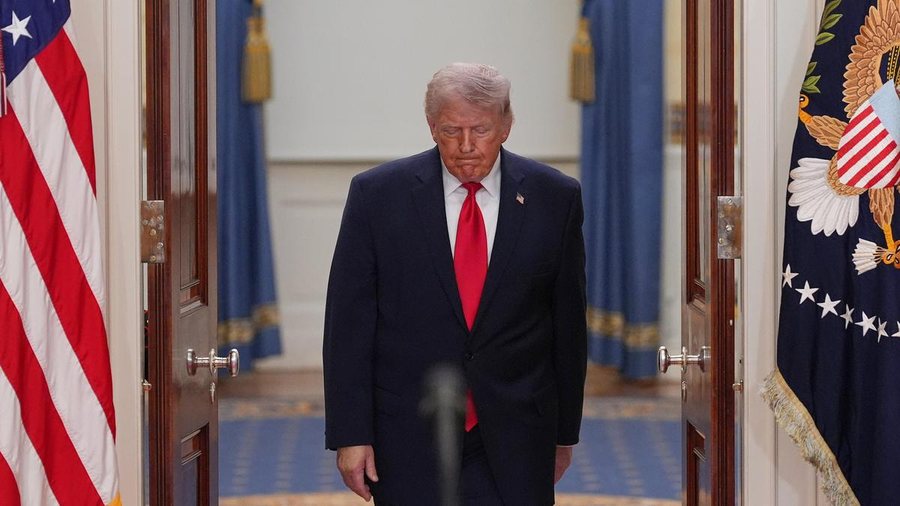
The US sought a quick victory, but faced an intractable crisis...
For years, US President Donald Trump has criticized his predecessors for engaging the US in “endless wars” in the Middle East. The war against Iran may not last indefinitely, but his administration is finding it increasingly difficult to exit a conflict that is already proving politically and strategically problematic.
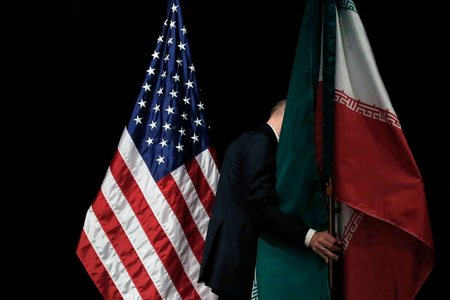
Over the weekend, Trump said a deal to end the war and reopen the Strait of Hormuz was almost done. Iranian officials also suggested that negotiations with Washington were moving closer to an understanding that would end the fighting and ease the US naval blockade. However, the specific terms remained unclear and differences between the parties persisted, particularly over Iran's nuclear program.
This climate of uncertainty worsened on May 25, when US forces struck targets in southern Iran. The Iranian Revolutionary Guard promised a response, while negotiations and a ceasefire remained in question.
American fear of "endless wars"
The conflict with Iran has revived memories of previous American interventions in the Middle East. In Congress, Democratic Representative John Garamendi called the war a “military quagmire” and a “political and economic disaster.” US Secretary of Defense Pete Hegseth rejected this definition, arguing that a two-month operation could not be compared to wars like Vietnam or Iraq.
However, the main problem for the US is not the duration of the conflict, but the lack of clear political outcomes. Unlike the invasions of Afghanistan and Iraq, Washington does not want to involve large numbers of ground troops. For this reason, the Trump administration has relied on air strikes, missiles and military systems supported by artificial intelligence.
But this strategy has its limitations. Air strikes can exert pressure, but they do not guarantee regime change or the surrender of an adversary. This is precisely the problem Washington faces today: Iran continues to reject American conditions, and it is not clear how it can be forced to back down.
Operation Epic Fury, which aimed to decisively weaken Iran and stop its nuclear program, failed to achieve its stated objectives. Moreover, the closure of the Strait of Hormuz has worsened the global economic situation.
The failure of the idea of "quick war"
The Trump administration had believed that American military and technological superiority would bring about a quick victory. This concept, which analysts call the “short war illusion,” is based on the belief that a great power can paralyze an adversary with intense and rapid strikes.
From the Russian invasion of Ukraine to the current conflict with Iran, experience has shown that wars rarely go according to plan. Even the use of artificial intelligence and modern technologies does not guarantee political success.
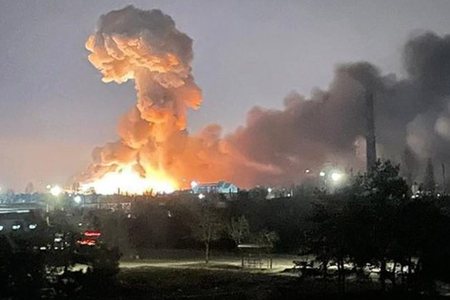
The US struck thousands of Iranian targets, destroyed significant parts of the air defenses, and attacked missile depots and command centers. However, the Iranian regime remained functional, maintained its ability to respond, and created serious international economic consequences through tensions in the Strait of Hormuz.
Iran survived, but remains weak
Although the Iranian regime has not fallen, this does not mean that Iran is in a strong position. The Iranian economy continues to be in serious crisis, the population faces great hardship, and the authorities rely on repression to maintain control.
The war has helped the hardliners of the Revolutionary Guard consolidate power, but internal discontent remains high. However, for Tehran, this confrontation is considered existential, and the regime seems willing to bear great costs to survive.
On the other hand, the longer the stalemate lasts, the more the US and the global economy will feel the consequences of the energy crisis and inflation caused by tensions in Hormuz.
Tactical victory, no strategic success
According to the author, the conflict with Iran highlights a broader problem with American military strategy: the belief that great military power and technology can automatically produce political results.
Modern American operations are built on speed, massive strikes, and the use of artificial intelligence to identify and eliminate targets in record time. But destroying targets is not always enough to achieve political goals.
The Trump administration, according to the analysis, underestimated Iran's ability to resist and adapt. Washington failed to foresee what would happen if the Iranian regime did not collapse immediately and did not fully appreciate Tehran's capacity to create economic and regional pressure.
In the end, the US found itself in a situation where military superiority did not bring political solutions. The conflict may not turn into a “war without end,” but the US administration must now negotiate its way out of a crisis it failed to fully control.
The main lesson, according to the author, is that any plan for a “quick and easy victory” must be accompanied by two fundamental questions: “Why should it work?” and “What happens if it fails?”/ Adapted from “Pamphlet” by “Foreign Affairs”.





Lini një Përgjigje