


 Shkruar nga Pamfleti
Iran has been widely condemned for demanding up to $2 million for each transit through the Strait of Hormuz. DW explains why Egypt and Panama may impose tariffs on the Suez and Panama Canals.
Iran has been widely condemned for demanding up to $2 million for each transit through the Strait of Hormuz. DW examines the reasons why Egypt can impose tariffs on the Suez Canal and Panama on its waterway, but not Tehran.
The Iranian regime has been accused of blackmail and threats to global energy security after reports emerged that Tehran has begun demanding up to $2 million (1.7 million euros) for each ship for "safe passage" through the Strait of Hormuz.
This strait is the world's most important energy corridor, located between Iran and Oman. Before the war with Iran, a fifth of all the oil and gas consumed globally passed through it.
Tehran justifies these tariffs as war reparations for damages suffered during US-Israeli attacks on the Islamic Republic, as well as payment for "navigation services", environmental protection and enhanced security.
Iran said it is preparing a joint protocol with Oman to require ships to obtain permission before passing through the strait.
While some Asian shipping companies and smaller operators have quietly paid, major global players are refusing, with the ISW research institute calling these fees a maritime "extortion regime."
The United States and China have agreed to jointly oppose the tax, Reuters reported earlier this month, citing a US State Department official. Gulf countries have also rejected the move.
Maritime experts point out that there are strong reasons why Iran cannot impose tariffs in Hormuz, while other key points such as the Suez Canal and the Panama Canal impose similar transit fees.
What are the rules for straits?
Under international maritime law, natural straits used for maritime transport are governed by a set of special rules aimed at protecting global trade and freedom of navigation.
The United Nations Convention on the Law of the Sea (UNCLOS) grants ships and aircraft from all countries the right of so-called transit passage through international straits that connect two parts of the high seas.
To benefit from this passage, a ship must move without delay and without anchoring, except in emergency cases.
According to UNCLOS, these passages must be allowed without interference from the coastal state.
Coastal states can only charge limited service fees, such as pilotage and towing.
Why can tariffs be imposed on sea channels?
Canals like the Suez and Panama are artificial waterways built, owned and maintained by sovereign states at very high cost.
Egypt generates about $4 billion a year from fees for ships passing through the 193-kilometer-long Suez Canal.
The 1888 Convention of Constantinople expressly gives the Egyptian authorities the right to impose tariffs to cover maintenance, operation, and modernization.
Meanwhile, the Panama Canal Authority, which manages the canal built by the US on behalf of Panama, is also allowed to set tariffs under separate agreements.
Completed in 1914 to connect the Pacific and Atlantic oceans, the Panama Canal requires constant and very costly maintenance.
Both operators typically charge lower rates than what Iran is reportedly demanding.
Are there exceptions?
There are some gray areas where tariffs can be imposed in straits or even oceans.
Russia, for example, demands fees for icebreaking escorts and other services along the Northern Sea Route.
Canada has similar sovereignty claims over the Northwest Passage and has occasionally considered imposing tariffs, but faces opposition from the US.
Another example is the Turkish Straits (Bosphorus and Dardanelles), regulated by the Montreux Convention of 1936, according to which Turkey must allow free passage and can only charge limited fees for services.
How is this issue expected to develop?
The dispute over tariffs in the Strait of Hormuz remains a major obstacle in peace talks between the US and Iran.
Washington wants the strait to be fully opened as international waters, without control, tariffs or permits from Iran.
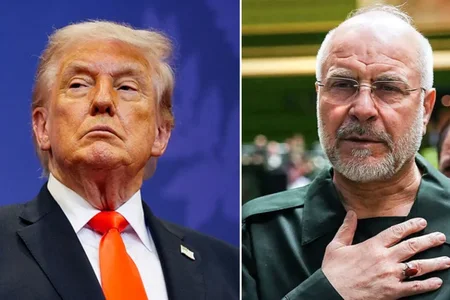
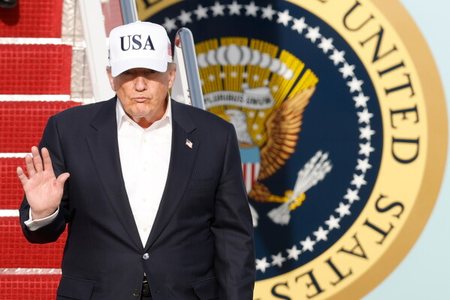
"The strait will be open to everyone; it's international water," said US President Donald Trump.
The US is urging shipping companies not to pay these fees and has warned of sanctions against those who cooperate with Iran.
Meanwhile, the US and the UN are working on a plan to protect maritime traffic after the conflict, including international patrols and mine-clearing operations.



Lini një Përgjigje