


 Shkruar nga Pamfleti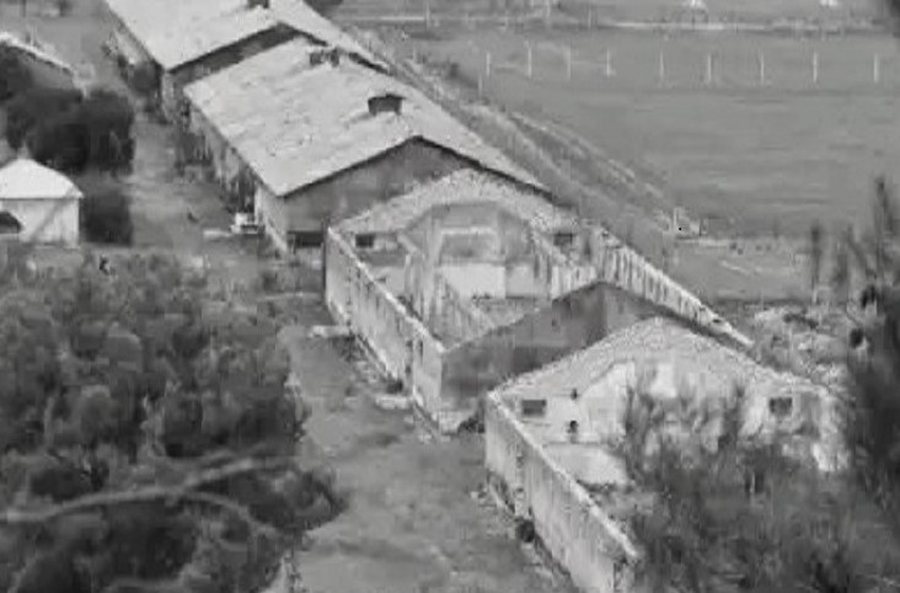
– Tepelenë, a letter to the children who never grew up –
I hope you have never cried out, 'Why was I born?' I hope you have come to the conclusion that it was worth it: at the cost of suffering, at the cost of death. I am so proud that I brought you out of nothing, at the cost of suffering, at the cost of death.” I am reminded of Oriana Fallaci and the words she addressed to the child who was never born, as I stand among the five barracks of the former Tepelena camp. I am surrounded by survivors, now grandparents, as would have been the children who never grew up, because they never left the camp alive. Fallaci's child, with the children who never grew up, is not so much united by a title as by the mid-life cut.
Even though it's late August, the wind blowing in the death camp is almost breathtaking. "The winter must have been very harsh," I tell Simon Mirakaj.
"It was too much. It was freezing. Our mothers would leave us outside, in that barracks there. In the evening, we would go to sleep, but in the morning not all the children would wake up. They had frozen in their sleep." Mirakaj lived in this camp for several years.
He thought this was life, a vast field of silos, surrounded by barbed wire, with policemen making appeals, with 'soup' bowls that barely contained anything but water.
They would stack mines and shells, go to the water tap. You couldn't play in the camp, there was no ball, not even shoes. At night, you could hear the cries of little children asking for bread. There was no hut. You remember the horse stable, the women lighting the fire to wash clothes in the tub. Sometimes a mine left over from the war would explode.
There were dead, in front of the children. Bodies were buried beyond the fence. Life in the camps was a blur of daily mourning, daily violence, and daily hunger. A gray background, an Auschwitz, military steps, weapons, hunger, violence, but also torture.
Gentiana Mara Sula, director of the Authority for Information on Documents of the Former State Security 1944-1991, on the Day of the Disappeared (August 30), emphasizes in her speech that their story is untold; "there is a gap in information, but fortunately there are those who are still alive and tell their stories."
"I'll give you just one example. In just one night, 33 young children died. Only 1 survived. They started calling him 'Beba', and he still has that name today," says Lek Pervizi, a 90-year-old painter who remembers everything he experienced in Tepelena.
As a witness, he has visited since the 1950s, sketches of what the camp was like, 600 people in one barracks, 4,500 in the entire camp. Wooden sailor beds filled the barracks that functioned as halls without partitions. The space was divided, only those who had sheets, but sheets were a luxury.
E pyes Mirakajn pse vdisnin fëmijët?! “Ka qenë një kamp shfarosjeje këtu, kanë vdekur 300 fëmijë. Vdekja kishte disa shkaqe, kryesisht mungesa e ushqimit dhe e higjienës. Të dyja këto, sillnin sëmundjet që, duke mos pasur mundësi t’i kuronim, çonin në vdekje. Të vegjëlve iu pre jeta padrejtësisht”.
Të mbijetuarit thonë se fëmijët e pleqtë që vdisnin varroseshin jashtë kampit. Vendvarrimi ka ndërruar tri herë. Nga matanë kampit, u çua te ura e Bënçës buzë lumit. Dimrit, lumi që vërshonte i merrte me vete.
A gjenden më eshtrat e tyre? 300 fëmijët e vdekur nuk kanë varr, por ende sot nuk kanë as emra. Nëse do iu shkruhej një letër, kujt do t’i drejtohej ajo? Kush ishin ata? Ku janë ata, të paemër e të pa varr? Prindërit e tyre kanë ndërruar jetë, nuk i kërkon më askush. U është mohuar jeta, vdekja, eshtrat dhe emri, edhe 27 vite pas rënies së regjimit komunist.
Në Shqipëri kinematografia nuk ia ka dalë të realizojë filma si “The son of Saul” apo, “The boy in striped pyjamas”, që do të ‘fotografonin’ historinë që nuk pamë e për të cilën fjalët nuk mjaftojnë e as që na janë thënë mjaftueshëm përveçse si shifra statistikash.
Megjithëkëtë, mundem ta imagjinoj “Saulin” që kërkon (eshtrat) të birin në të katra anët e kampit të Tepelenës, mundem të imagjinoj çmendurinë e “Saulit” shqiptar që endet dëshpërimisht me copëza rrëfimesh të marra me 100 falënderime nga persekutorë që hiqen të persekutuar, mundem ta imagjinoj “Saulin”, por nuk mundem të imagjinoj të birin, as eshtrat e tij në një arkë-mort të bardhë, të vogël në duart e t’et.
“The boy with in stripped Pyjamas” (lexo bijtë e udhëheqjes që patën fatin e atyre që dënuan), mbase paguan mëkatet e prindërve, por ata e kanë një emër. 300 bijtë e Saulit jo. Amik Kasoruho e Robert Shvarc do të thoshin, se askush nuk i kthen më vitet e kaushëve, por sekush ka të drejtë të pyesë sot, kush ua rrëmbeu fëmijërinë?
Në 30 e sa vite kemi përmendur viktima, të vdekur, të vrarë, të internuar, të persekutuar, të pushkatuar, por rrallë e tek, përkrah emrave të tyre janë gjendur emrat e vrasësve, persekutorëve, hetuesve.
“Në këtë muze, do të doja që krahas viktimave të ishin edhe persekutorët, siç janë në muzetë e huaj, me foto e me emra. Nuk mundemi të vazhdojmë më të flasim vetëm për viktima. Autorët e kanë një emër”, – do t’i drejtohej të mërkurën Gentiana Marës një studiuese e re, kur diskutohej projekti për qendër muzeale në Kampin e Tepelenës.
Të vërtetën kërkoi edhe Zëvendëskryetari i Prezencës së OSBE-së Robert Wilton, kur tha se zbulimi i saj “është çelës për familjet e të zhdukurve, për shoqërinë që të lëvizë përpara. Familjet kanë nevojë për të vërtetën, kanë nevojë me mbajt zi e me i kujtu të afërmit në paqe”.
Gjon Radovani ka ideuar një projekt ku 300 qiparisa të kujtojnë 300 fëmijët pa varr në një memorial në kamp. Ata qiparisa janë letra e pashkruar për fëmijët, janë ndjesa e munguar.
Fallaci writes to his child: "I feel cold and say that life exists, I sleep and I feel life. Look, I see a light. Someone runs, cries, despairs. But somewhere else thousands and hundreds of children are born, and mothers of future children: life does not need you or me. You are dead. Maybe I will die too. But that does not matter. Because life does not die."
Every comparison is lame, but these phrases come to mind when I see the long-lost children who survived Tepelena: they have overcome the horror, they have found peace again, they have built a life without bitterness and hatred, they have found the strength to laugh, to return to the camp as old men and women, to confess, to tell in their own name and in the name of the children who never grew up, that in Tepelena there was a death camp where their childhood friends disappeared.
It is almost night when we leave Tepelena. On the left side of the road, the former camp disappears into the darkness. It seems to me that if I close my eyes I will hear the cries of children begging for bread on a cold winter night, where the frost has swallowed everything. After moments of silence, they breathe their last./Memorie.al


Lini një Përgjigje