


 Shkruar nga Pamfleti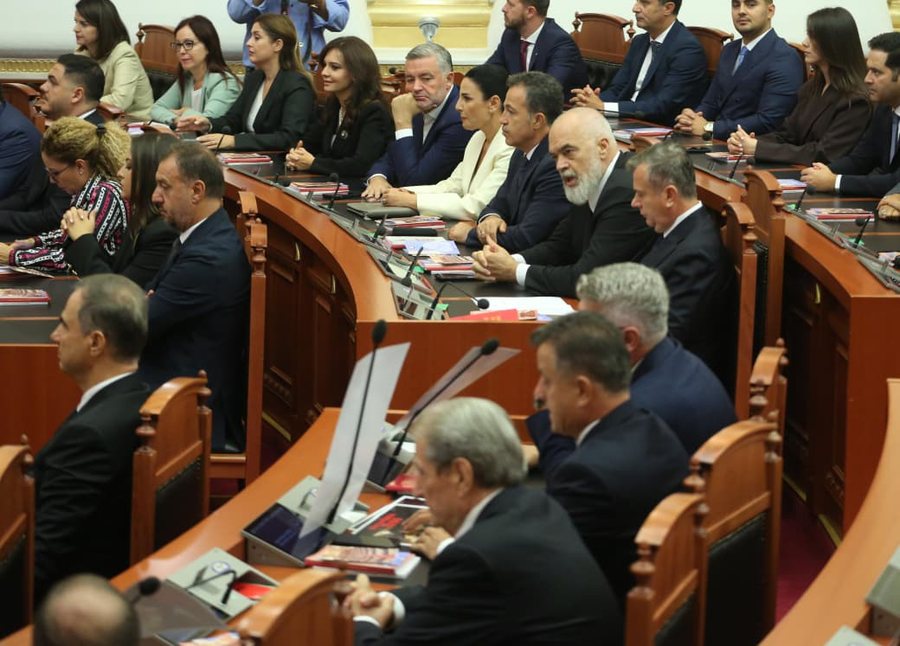
The Prime Minister proposes reorganizing parliamentary committees and expanding them, but lawyers and civil society activists warn that the initiative is contrary to the Constitution and risks concentrating power in the executive branch.
The 11th parliamentary legislature, which emerged from the May 11 elections, began its work on Friday with a constituent session, where 140 members of Parliament were sworn in: 83 from the Socialist Party, which is taking its fourth governing mandate, 50 from the Democratic Party with its allies, 3 from the Social Democratic Party, and 4 members from new parties.
Parliamentary work is divided between MPs' engagement in standing committees, where legal initiatives are reviewed, and plenary sessions, where they are voted on. But with the start of this new session, the "parliamentary architecture" of committee organization is expected to change according to suggestions made by Prime Minister Edi Rama during a party meeting.
On Thursday, speaking before the Socialist Party Assembly gathered to learn the names of the new government cabinet, Rama also presented his idea for parliament, proposing the renaming of permanent parliamentary committees, increasing their number, and establishing two special committees: for the review of territorial reform, which only a year ago the Socialist Party had voted against as unnecessary, and another committee for electoral reform.
Rama described the current names of the permanent committees as "ancient" and proposed their reorganization in terms of responsibilities, number of members, and renaming, with the justification that this will serve the negotiation process with the EU.
In this context, he proposed that the temporary committee led by Fatmir Xhafaj during the previous legislature be turned into a permanent committee, named "On Civic Initiatives, Cooperation and Institutional Oversight", which according to him will oversee the negotiation process and review legal initiatives submitted by citizens.
The "new architecture" conceived by the Prime Minister also includes a physical architecture of the Parliament building: practically a new building for plenary sessions and its technological modernization.
"Having said all this, the institution of the Albanian Parliament as a whole must be raised to another level of functioning and management," Rama concluded.
He called these "suggestions" and assigned the proposals to a "working group," but for lawyers and civil society activists, this behavior is illegal and authoritarian, as it assumes attributes that belong only to the Assembly.
Erida Skëndaj, drejtuese e Komitetit Shqiptar të Helsinkit, i tha BIRN-it se: “Interpretimi sistematik dhe harmonik i legjislacionit tonë, bazuar edhe në parimin kushtetues të ndarjes dhe balancimit të pushteteve, të çon në konkluzionin se çdo ndryshim që vjen apo propozohet në numrin e komisioneve parlamentare dhe përbërjen e tyre duhet të iniciohet nga organi që e ka këtë tagër Kuvendi i Republikës së Shqipërisë”.
“Propozime të tilla, si ai për ndryshimin e numrit të komisioneve parlamentare dhe të deputetëve jashtë debatit parlamentar, në formacione dhe struktura politike ku qëllimi kryesor duhej të ishte prezantimi i programit politik dhe përbërjes së Këshillit të Ministrave një ditë para se të propozoheshin në seancën e parë plenare të legjislaturës së re, reflektojnë elementë autoritarë që perceptohen si përqendrim i pushteteve tek ekzekutivi, duke dobësuar dy pushtetet e tjera”, konstaton ajo.
Në këtë kontekst, Skëndaj i quan propozimet e Ramës “të dëmshme për demokracinë funksionale dhe parimet themelore mbi të cilat është ndërtuar dhe funksionon shteti i së drejtës në vendin tonë”.
Edhe avokati Marash Logu i cilëson këto propozime si në kundërshtim me Kushtetutën, Rregulloren e Kuvendit dhe praktikën e mëparshme parlamentare.
“‘Sugjerime’ të tilla, të bëra në mënyrë të njëanshme, dëmtojnë frymën e bashkëjetesës demokratike, konsensusit dhe bashkëpunimit parlamentar. Ato dëmtojnë edhe procesin e integrimit europian të Shqipërisë, pasi përjashtojnë opozitën nga ky proces duke i hequr drejtimin e komisionit parlamentar për integrimin europian”, i tha ai BIRN-it.
Sipas Logut, Rregullorja e Kuvendit e ka të përcaktuar qartë procesin se si emërohen apo strukturohen komisionet parlamentare: propozimet për ndryshime bëhen me shkrim nga një ose më shumë deputetë, u njoftohen të gjithë deputetëve dhe më pas shqyrtohen nga Këshilli për Rregulloren, Mandatet dhe Imunitetin, i përbërë nga 10 deputetë me përfaqësim të barabartë mes mazhorancës dhe opozitës.
“Kjo barazi ka pasur për qëllim që çdo ndryshim në rregulloren e Kuvendit të mos bëhet në mënyrë të njëanshme nga shumica parlamentare, por të arrijë konsensus ndërmjet palëve”, thotë ai, duke shtuar se “rregullorja është akti që garanton bashkëjetesën demokratike ndërmjet palëve politike në Kuvend dhe në këtë kuptim ajo nuk mund të shndërrohet në një instrument të mazhorancës për të kufizuar hapësirën demokratike të partive opozitare”.
Nga ana tjetër, Skëndaj sugjeron që ndryshime të tilla, përveçse të inkurajohen të kenë një debat sa më gjithëpërfshirës dhe konsensual politik midis forcave të ndryshme të përfaqësuara në Kuvend, duhet edhe t’i nënshtrohen një procesi konsultativ transparent dhe publik, me aktorë të shoqërisë civile dhe ekspertë të pavarur të së drejtës parlamentare.
The current structure with 8 permanent parliamentary committees - 5 led by the majority and 3 by the opposition, has been in operation since 2004, when the Assembly Regulation was adopted, while Rama's idea is for 11 permanent committees in a ratio of 7 to 4 in their leadership. / BIRN





Lini një Përgjigje