


 Shkruar nga Ermira Isufaj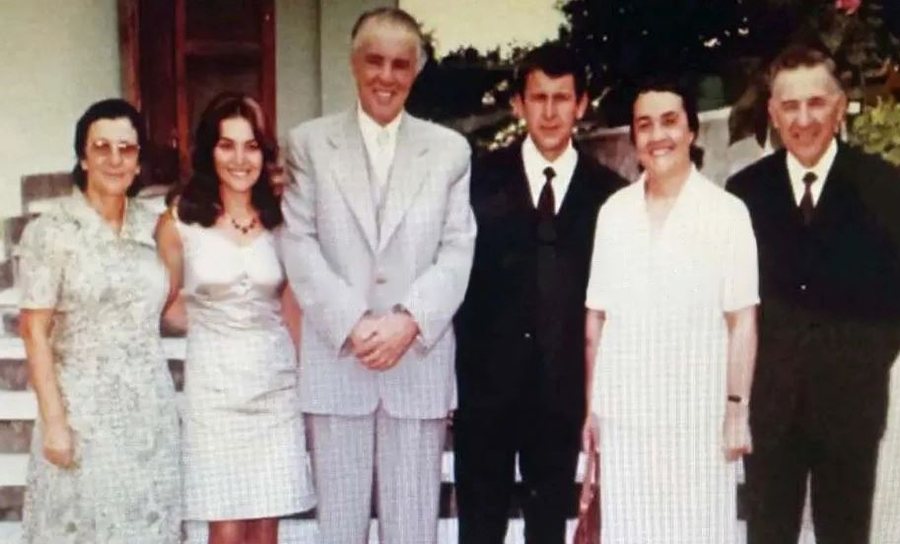
The wife of Kujtim, the son of the brother of former communist Prime Minister Mehmet Shehu, tells of her life as a bride at the door of the Shehs. The relationship she had with Mehmet's sons, the tragic end of her father-in-law, Arshiu, who after the sensational event of December '81 - the former State Security forced him to commit suicide, by throwing him off a bridge in a village in Fier, as well as her unforgettable wedding, where the Shehu clan met again after years of separation... after, when her husband's entire family had paid the tributes of the communist system, the "suicided" father-in-law, two sisters-in-law separated from their husbands, due to the event of December '81, her husband with a half-hearted job and professional merits, which he never received only because of his uncle, Mehmet Shehu, Teuta thought that the "blood" would have been extinguished and everything within the relations of that clan would have returned to normal.
As much as she was afraid to mix with the Shehs, there was also a curiosity that was stirring inside her to get to know more closely one of the families that had been talked about the most during the communist system, certainly after Enver Hoxha. The atmosphere she found in the family of her husband, the nephew of the former prime minister, overturned all her predictions. At first, every communication resembled that of deaf-mute people, only with gestures and signs, because the family was being monitored.
Teuta truly understood that her life would not be easy (not that she had not thought about it before), but the beginning of a new political era, as democracy was on the verge, had been mentioned positively, making her aware that the dictatorial period had ended...! Her marriage to Kujtim and the moments of the wedding remain unforgettable for her.
More tears of joy, touching faces and bodies with hands to see how much they had been transformed, surprise, pain, a new meeting of the Shehu clan like never before, and, moreover, everything coincided with the release from prison of Mehmet's two sons, Skënder and Baksimi. For Teuta, the chapter of life that came next, as part of the family of Mehmet Shehu's nephew, was not as impressive as the wedding...!
Ms. Teuta, for years, the media has talked a lot about Mehmet Shehu. After the 100th anniversary of his birth and the interview with his son, Skënder, you, as the daughter-in-law of the nephew of the former communist prime minister, how have you assessed this revival of media interest in his figure?
I followed them with curiosity. On his birthday, I was very impressed by the lack of media presence, both written and visual. I say this with conviction, also being aware of the fact that all the media in the country were notified, without exception, about this commemorative event, while their distancing impressed me.
I would not consider it negligence, but rather fear among those who try to deal with the figure of Mehmet Shehu again. I also noticed it in the premises of the National Museum, when the commemorative event of his birthday was taking place. Many of the people outside were pulling me by the jacket, telling me that I had to participate, it was better to stay outside like them…!
I think that everything that has been said or hinted at about the truth of his (suicide) is just rumors. We as a family, together with my husband, Kujtim, who is Mehmet Shehu's nephew, have avoided the problem and the attempt to deal with his figure.
Your husband is the son of Arshiu, Mehmet Shehu's second brother. How did you meet Kujtim and how did you decide to become a bride at the Shehs' door?
Our acquaintance was not just luck. What kind of family was that that took as a son-in-law the grandson of the "criminal" Mehmet Shehu, as he was called in those years?! Our acquaintance took place in conditions when both families were stigmatized, we were declassed; me on my parents' side and Kujtimi, without a doubt, on his own.
But, the reason for the acquaintance was a cousin of mine, whose first thought before introducing Kujtim to me while he was working as a mechanical engineer in Fier, was that in the conditions we found ourselves in, only a family with a reputation could adapt. While I was working as a primary school teacher in the village of Mokër in Pogradec. I was aware that in other conditions I might have made a different choice.
But I also trusted my father's insistence, to whom the first meeting with Kujtim had given many marks of trustworthiness. Meanwhile, in my tribe, everyone was against this marriage. They were scared, because we had a gray biography, now we would make it completely black. Many cousins told me to my face: "Teuta, you should not marry Kujtim"!
Were you shy before accepting Kujtim's marriage proposal?
Of course. I was afraid, because Mehmet Shehu was considered a "criminal" and the consequences for people who mixed with his family were known. But, I was also curious to get to know this family connected to power, about which so much had been said, more closely.
You said that your family, on your parents' side, was also one of those hit by the communist regime. What is the story?
My grandfather, Qani Sulstarova, was one of the richest people in Pogradec, and so was my father, one of the beylers of the city. Being a “kulak” was the first reason why we were hit by the communist system and were called “declassed”.
A considerable portion of the property was confiscated, while some of the father's cousins, uncles' sons, were active with the 'Ball Kombëtar', and by calling them exponents of the 'Ball', the consequences were inevitable.
Nga mamaja jam me mbiemrin Hysenbegasi, edhe këta familje kulakësh, por tejet të persekutuar nga regjimi komunist. Këto ishin arsyet që Brigada e Parë Sulmuese, me në krye komandant Mehmet Shehun, dy herë na ka djegur shtëpinë tonë në Pogradec. Normalisht, ne duhet të ishim në hasmëri me Shehët pas gjithë atyre gjërave që na kishin ndodhur. Por, në ’90-ën gjithë ai inat u kthye në një bashkim gjaku, sepse martesa ime me Kujtimin, i ndryshoi shumë gjërat. Thuhej asokohe që; “u bashkua familja e kriminelit Mehmet Shehu me gjakun e bejlerëve të Pogradecit, Sulstarova”.
Dita e dasmës për çdo femër mbetet një nga kujtimet më të bukura të jetës. Ç’kujtoni?
Dasma jonë u bë në maj të vitit 1991, ndërsa djemtë e Mehmetit, Skënderi dhe Bashkimi, në mars ishin liruar nga burgu. Gjatë muajve të fejesës jetoja me shqetësimin e familjarëve të tim shoqi se ku gjendeshin, në cilat burgje vuanin dënimin kushërinjtë e Kujtimit, djemtë e Mehmetit, sepse familjarët përgjatë viteve nuk kishin pasur asnjë informacion për vendin se ku e kryenin dënimin ata.
Madje, ndokush që tentonte të pyeste për ndonjë detaj më shumë, të nesërmen thirrej urgjent në Degën e Brendshme për të dhënë sqarime mbi kërkesën. Ndaj dhe mbrëmja e dasmës sime me Kujtimin ishte një ri takim i jashtëzakonshëm mes fisit të Shehëve, të cilët pak kohë më parë kujtonin se ishin zhdukur të gjithë. Kam parë dhimbje të madhe tek ata njerëz.
Për 10 vite, në fisin Shehu nuk kishte lindur një fëmijë i vogël, nuk ishte dëgjuar një e qarë bebeje. Gjatë mbrëmjes shihja djemtë duke qarë, të cilët takoheshin me njëri-tjetrin teksa shprehnin habinë, se si ishin ende gjallë. Djemtë e Mehmetit ishin gjithashtu të emocionuar.
Dëgjoja ulërima mes njerëzve, ngashërime në të qara ndërsa preknin fytyrat e njëri-tjetrit me dorë dhe kuptonin sa shumë ishin transformuar. Për mua ishin çaste shumë të vështira. Por, njëkohësisht, ekzistonte edhe frika se midis dasmorëve, mund të kishte edhe nga ata që përgjonin, ose njerëz të Sigurimit, që mund të na hapnin probleme.
Kishin kaluar 10 vite nga ngjarja e dhjetorit të vitit 1981, por cila ishte atmosfera që gjetët në familjen e Kujtimit?
Gjithçka ishte kaq e paparashikuar. Ishin njerëz të trembur në palcë. Unë isha vajzë e re, që sapo isha shkëputur nga familja e doja të shprehesha, të komunikoja, por në familjen e burrit tim, prej ditës që u konstatua se përgjohej, flitej vetëm me shenja. Asnjë fjalë, asnjë zë. Një ditë, ime vjehërr kishte shkuar te komshiu një kat më poshtë për të kërkuar kos dhe ishte tmerruar kur në cepat e korridorit, kishte parë disa tela dhe aparatura. Ngjitet sipër dhe i thotë menjëherë tim shoqi, që ata përgjoheshin.
Kjo bëri që Kujtimi, si inxhinier që ishte, të krijonte një aparaturë që i nxirrte jashtë funksionit valët e përgjuesve. Atmosfera në familje ishte shumë e nderë. Në shtëpi gjeta dy kunata të ndara nga burrat, divorce që kishin ardhur menjëherë pas (vet)vrasjes së Mehmet Shehut.
E vetmja që nuk u braktis nga bashkëshorti, ishte Shqiponja. Pirro Stefani, bashkëshorti i saj, mbeti për shumë kohë dhëndri i preferuar i Shehëve, sepse nuk pranoi të bënte divorcin nga e shoqja. Shkoi për vite të tëra në internim dhe nga Shqiponja nuk u nda.
Kunata juaj, Shqiponja, është vajza që e ka rritur vetë Mehmet Shehu?
Po, e vërtetë. Ky akt i tij e zbut pak mitin e njeriut të ashpër dhe të egër. Di që Mehmeti vendosi ta rriste si vajzën e tij Shqiponjën, jo vetëm për faktin se kishte vetëm tre djem, por sepse vjehrri im, kishte shumë fëmijë, kushtet ekonomike nuk ishin aq të përshtatshme, ndaj, për të ndihmuar Arshiun, të vëllanë, ai vendosi që të merrte Shqiponjën e ta mbante në shtëpinë e tij. Unë e kam parë thjesht si një gjest humanizmi.
Po vjehrri juaj, Arshiu, ç’natyrë kishte, a ngjante me Mehmetin?
Ngjanin si dy pika uji. Jo vetëm në pamjen e jashtme, që ishin gati identikë, por edhe në tipologjitë e karaktereve kish ngjashmëri. Korrektë, autoritarë. Arshiu për shumë vite ka vuajtur nga një dhimbje e madhe koke, pas humbjes së një fëmije. Kjo histori tragjike, kur gjatë strehimit në malet e Tepelenës në kohën e pushtimit gjerman, vitet 1943-1944, foshnja gjashtë muajsh e tyre po qante me të madhe, ndërsa ngjitur ishte spitali partizan.
U konstatua që gjermanët po afroheshin e të qarat e foshnjës mund të bëheshin shkaku që partizanët dhe e gjithë baza aty të zbulohej. Ndaj, një nga rojet ia merr foshnjën sime vjehrre Semines, nga dora dhe ia hedh nga shkëmbi poshtë. Vdekja tragjike e fëmijës, bëri që ata të dy të pësonin traumë, ndërsa vjehrri im për shumë vite, vuajti nga dhimbja e kokës. Nuk gjeti shërim, edhe pse i vëllai, Mehmeti, e dërgoi për vizita mjekësore në Austri, Zvicër.
Fundi i tij tragjik mbetet ende një enigmë, apo jo?
Besoj që po. Edhe pse dhimbja e madhe e kokës nuk e lejonte të bënte një jetë të qetë, ky nuk ishte faktor që mund ta shtynte drejt vetëvrasjes. Pas ngjarjes së ’81-shit, vjehrrin tim e kanë nxitur të bënte vetëvrasje, me idenë që Shehët kështu e kanë… vrasin veten.
Kështu ndodhi edhe me Vladimirin, djalin e madh të Mehmetit. E llogaritën gjithçka që të quhej si vetëvrasje, njësoj si edhe në rastin e vjehrrit tim…! Thuhet që njerëz të Sigurimit, e kanë nxitur të hidhej nga një urë në një fshat të Fierit, ku edhe punonte në SMT-në e këtij qyteti.
Çfarë marrëdhënie keni me kushërinjtë e bashkëshortit tuaj, djemtë e Mehmet Shehut?
Me djemtë e Mehmetit kemi marrëdhënie korrekte. Të jem e sinqertë, fillimisht takimet tona ishin më të dendura, sidomos pas daljes nga burgu, ata kishin nevojë për njerëz, për mbështetje. Më vonë ata u larguan jashtë shtetit, e normalisht komunikimi u rrallua.
Por njeriu gjithmonë ka nevojë për gjakun e vet, për njeriun e vet, ndaj edhe kur Bashkimi u martua për herë të dytë, im shoq ishte mbështetja e tij, sepse ai erdhi ta takonte në shtëpi, biseduan të dy. Më shumë detaje nuk mund të jap.
Gjatë gjithë bisedës, e keni shmangur vazhdimisht temën e vetëvrasjes së Mehmet Shehut. Përse?
I cannot speak about this issue, because I am the wife of Shehu, and from this position, I cannot give statements. I heard about the event of 1981, like everyone else, on television, that Mehmet Shehu committed suicide!
Later, when I became part of the family, I learned that there was a hermetic net around him, we were not supposed to speak, nor should we mix with his name. I remember, a few years ago, I happened to meet my husband during the works on the bust of Mehmet, which was to be placed in Mallakastër.
Fatos Klosi, the head of SHISH, was also there. My husband warned Fatos not to mess with Mehmet, because he would suffer…! It didn’t take long before he was removed from his post. Maybe the motives were different, maybe it was a coincidence, but this episode made me realize that you really shouldn’t mess with the figure of Mehmet Shehu.
Which scenario do you believe, that of murder or his suicide?
Mehmet Shehu has always done his duty as Prime Minister of the country, even though he sometimes had his own impulsiveness. We, as a family, do not support the act or the various crimes that have been served by the writings or the media in relation to him. On the other hand, I believe that everything was a scheme that had to be implemented, just as many others had to be interned, imprisoned or disappeared.
After Mehmet, Vladimir and my father-in-law, in the latter's case the event was reported as a suicide with the intention of continuity, which all of them have in their blood, they kill themselves... As the daughter-in-law of Mehmet Shehu's nephew, I say and at the same time believe that, knowing them closely and living with them, there is no Shehu who kills himself!
How do you remember the discovery of Mehmet Shehu's remains and their reburial in the Sharra cemetery in Tirana?
The reburial of Mehmet Shehu's remains was a solemn moment for the entire family. After his release from prison in March 1991, Mehmet's two sons, Skënder and Bashkimi, decided to take on the task of finding their father's remains.
I have a vivid memory of that hot July day in 2001, when Mehmet Shehu's followers, relatives, Malakastri residents and many other people gathered together in the Sharra cemetery in Tirana to rebury Mehmet's remains, after years of searching and their discovery by two boys./Memorie.al




Lini një Përgjigje