


 Shkruar nga Riccardo Renzi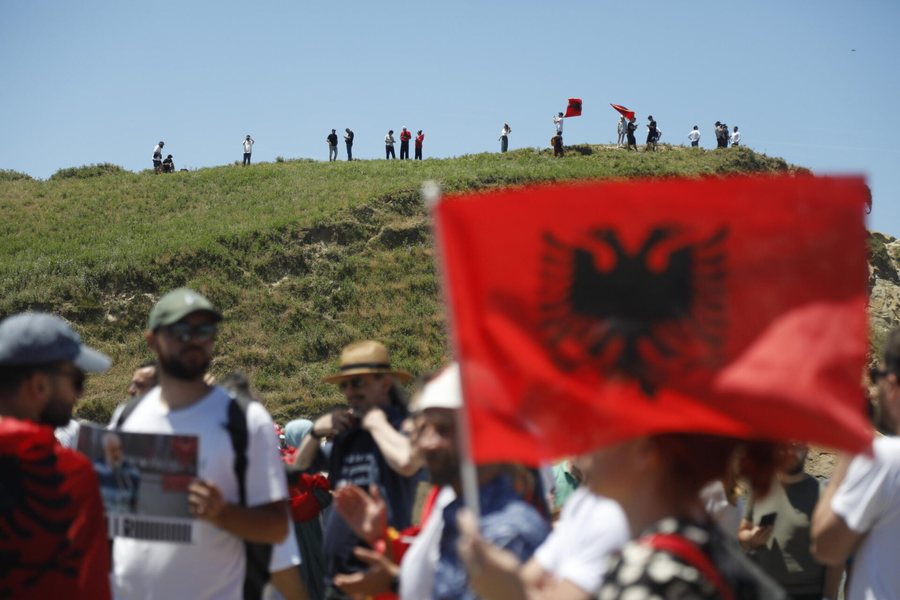
The success of this initiative will depend entirely on the ability to avoid its perception as a new front against Serbia. This cooperation must maintain a technical and defensive profile to contribute to the stabilization of the region. Otherwise, it risks fueling new polarizations in an area where the memory of conflicts still weighs heavily on politics.
A new architecture of military cooperation is taking shape in the heart of the Western Balkans, designed to influence regional balances. The platform launched by Albania, Croatia and Kosovo with the Joint Declaration on Defense Cooperation, signed in Tirana in March 2025, constitutes a weighty political step, but one that must be read carefully.
This is not a new military alliance or a NATO-style collective defense pact. In fact, the document categorically excludes the creation of new legal obligations between the signatory states: no clause for mutual assistance, no integrated command, and no automatism in the event of external aggression.
However, it would be a mistake to dismiss this initiative as a mere declaration of intent. Its importance lies precisely in its capacity to turn political rapprochement into a sustainable operational structure.
The four pillars of cooperation
The agreement is based on four main directions. The first relates to the development of joint military capabilities, industrial cooperation, and shared access to technology and strategic supply chains.
The second emphasizes education, training, and joint military exercises.
The third pillar is dedicated to hybrid threats, with a particular focus on cybersecurity, disinformation, and the protection of critical infrastructures.
Finally , the declaration supports Kosovo's Euro-Atlantic integration path, encouraging its greater participation in regional security mechanisms. The aim is not to create an alternative military bloc to NATO, but to increase the three countries' ability to coordinate in a regional environment marked by political fragility, ethnic tensions and increasingly fierce competition in the information field.
From policies to concrete actions
The first real test of the credibility of this initiative came in February of this year, when the military leaders of the three countries met to discuss concrete training and interoperability programs.
This is where the strategic value of this platform is measured. In modern warfare, the ability to share data, procedures, logistical systems, and operational protocols often outweighs the number of soldiers on the ground.
Për shtete me përmasa të kufizuara si Shqipëria dhe Kosova, ky ndërveprim shërben si një shumëfishues force. Sidoqoftë, rrugëtimi mbetet ende i paplotë. Pa një qeverisje të qëndrueshme, pa fonde të përkushtuara dhe pa një planifikim disavjeçar, ekziston rreziku që ky bashkëpunim të mbetet sporadik dhe i varur nga vullneti politik i qeverive të radhës.
Zgjerimi i mundshëm i boshtit me Bullgarinë dhe Slloveninë
Muajt e fundit është diskutuar për një përfshirje të mundshme të Bullgarisë dhe Sllovenisë në këtë format. Sidoqoftë, për momentin, asnjëri prej këtyre dy vendeve nuk i është bashkuar zyrtarisht deklaratës fillestare.
Një hyrje e mundshme e Sofjes do të kishte implikime të rëndësishme strategjike. Sepse Bullgaria do të shtonte një projeksion drejt Detit të Zi, duke përforcuar lidhjen mes rajonit ballkanik dhe krahut lindor të NATO-s.
Në të njëjtën kohë, qëndrimi i saj historikisht i kujdesshëm ndaj Rusisë do të kërkonte një menaxhim diplomatik shumë të kujdesshëm. Nga ana tjetër, Lubjana do të sillte një vlerë tjetër të shtuar. Kjo sepse Sllovenia gëzon një integrim të konsoliduar evropian, përvojë të pasur institucionale dhe një pozicion gjeografik që do të përforconte vazhdimësinë strategjike të Adriatikut Verior.
Për më tepër, bashkëpunimi dypalësh që ajo ka zhvilluar tashmë me Kroacinë mund të lehtësonte përafrimet e ardhshme.
Kufijtë e parandalimit “minilateral”
Pyetja kryesore që ngrihet është: sa e aftë është realisht kjo platformë për të shërbyer si faktor parandalues (deterrence)? Përgjigja, të paktën tani për tani, kërkon maturi. Një bashkëpunim shumëpalësh mund të rrisë qëndrueshmërinë, të shkurtojë kohën e koordinimit dhe të rrisë kapacitetet reaguese ndaj krizave.
Megjithatë, ai nuk mund të zëvendësojë as praninë e KFOR-it në Kosovë dhe as rolin e NATO-s si garantuesi i fundit i sigurisë rajonale. Edhe më pak mund të zëvendësojë dialogun politik mes Beogradit dhe Prishtinës, i vetmi instrument i aftë për të adresuar çështjet e sovranitetit dhe njohjes, të cilat vijojnë të mbeten burimi kryesor i paqëndrueshmërisë në Ballkanin Perëndimor.
Parandalimi i krizave nuk lind nga deklaratat, por nga kthimi i synimeve politike në kapacitete operative të përhershme dhe të besueshme.
Sfidat strategjike për vitet në vijim
Mes viteve 2026-2028, suksesi i kësaj nisme do të varet nga një variabël themelor: aftësia e nënshkruesve për të shmangur që ky bashkëpunim të perceptohet si një front i ri i ngritur kundër Serbisë.
Nëse projekti arrin të ruajë një profil mbrojtës, teknik dhe të orientuar drejt rritjes së qëndrueshmërisë, ai mund të ndihmojë vërtet në stabilizimin e rajonit. Nëse, përkundrazi, ai përfshihet në narrativat e identitetit dhe në logjikën e përplasjeve gjeopolitike, rrezikon të ushqejë polarizime të mëtejshme.
Therefore, the real challenge is not about the number of members, but about building permanent institutions, separate procedures and verifiable operational instruments. In a region where the memory of conflicts still guides politics, the difference between a simple declaration and a real security architecture could determine the future balance of the entire Balkans. / Adapted from "Pamphlet" by "Inside Over"




Croatet ne se pranojne të jene Dalmate Ilire dhe të bejne gjuhen Ilire-Shqiptare zyrtare jane të mirepritur si popull vella. Me sllave të ardhur që na shtyne jashte trojeve tona vetem gardhi e push ka na ndan. Pse mor ja qif... racen jemi kaq tutkune ne Shqiptaret dhe e harrojme historine, pse?