


 Shkruar nga Pamfleti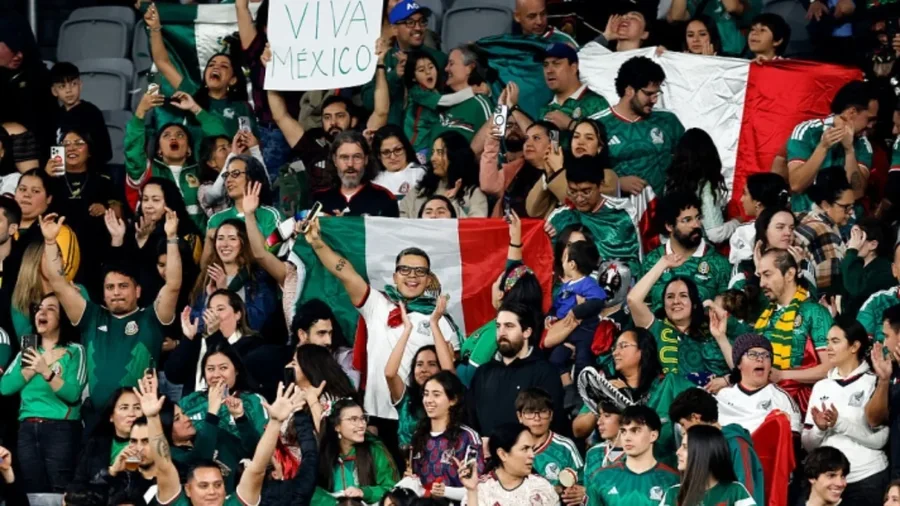
Stadiums packed with fans, airports with high passenger traffic and the arrival of visitors from around the world for the 2026 World Cup are adding to public health experts' concerns about the spread of infectious diseases.
The focus of health authorities is measles, one of the most contagious diseases, which is making a comeback at a worrying rate in North America.
Experts warn that large gatherings of people during the tournament could create favorable conditions for the spread of the virus. According to Dr. Krutika Kuppalli, an infectious disease expert at UT Southwestern Medical Center in Dallas, measles is currently the main concern for health authorities.
The alarm comes at a time when measles cases in the United States have seen a significant increase. Nearly 2,000 cases have been reported in 2026 alone, a number that is now approaching the total number of cases recorded in all of 2025. The situation is also worrying in Mexico and Canada, the other two World Cup hosts.
Earlier, the Pan American Health Organization (PAHO) had raised the alarm, reporting that measles cases in North America doubled in 2025 compared to the previous year. According to the organization's director general, Jarbas Barbosa, the increase accelerated even more in 2026, with over 15,300 cases confirmed in the region.
Experts point out that measles can remain in the air for up to two hours after an infected person leaves the environment, which makes transmission extremely easy in places with a large concentration of people such as stadiums, airports, hotels, restaurants and public transportation.
American epidemiologist Katelyn Jetelina warned that even a single case could trigger a wide chain of infections. According to her, measles circulates in many countries around the world and can spread very quickly in communities where there are unvaccinated people.
Health authorities in the host cities of the World Cup are bracing for a significant challenge. Philadelphia Health Commissioner Palak Raval-Nelson described the situation as a “marathon,” referring to the long-term efforts that will be required to prevent the spread of infectious diseases during the tournament.
Meanwhile, PAHO continues to appeal for increased vaccination coverage, recalling that one person infected with measles can transmit the virus to up to 18 unprotected people. According to the organization, vaccination remains the most effective means to curb the spread of the disease and avoid a health emergency during the world's largest sporting event.







Lini një Përgjigje