


 Shkruar nga Pamfleti
Defense Minister Ejup Maqedonci says that the Kosovo Security Force is gradually transforming into a modern army, with support from Western allies and with the aim of guaranteeing the country's security.
Ejup Maqedonci has worn three uniforms over the past 27 years: first as a young rebel fighting for Kosovo's independence, then as a member of a temporary humanitarian structure, and now as the defense minister shaping the country's military.
The three uniforms, each framed in gold, hang in his office in the ministry's sprawling complex in Pristina. They reflect the complexity of building an armed force in a country with limited international recognition, where NATO-led peacekeepers continue to be present to maintain stability.
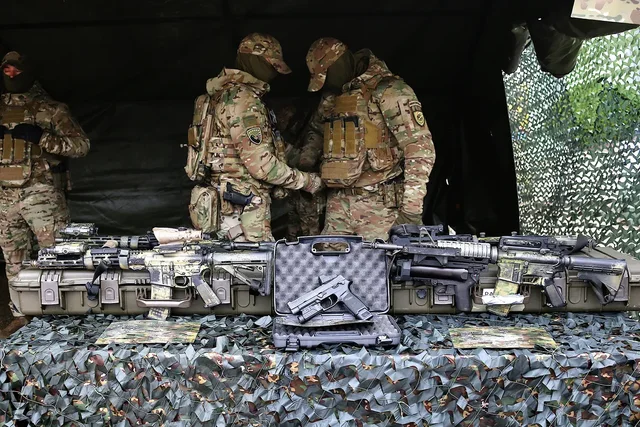
The army numbers only a few thousand troops and has acquired weapons systems worth a modest €460 million. However, in an interview with Bloomberg News, the Macedonian described these as “very, very big steps” towards creating a force “ready to defend Kosovo, to defend its citizens and at the same time to cooperate with our partners.”
Speaking about getting to this point, the 49-year-old minister added that "sometimes you dream about something without fully believing it will happen."
Kosovo, the site of the last war in Europe before the conflict in Ukraine erupted, wants the prestige of its own army and has allocated $1 billion to create one. The ambition fits into a broader trend in the Western Balkans to strengthen security capacities alongside aspirations for European Union integration.
For most, this is considered the missing piece of statehood, but many members of the Serb community fear that this could ignite remaining tensions, as Belgrade continues to reject Kosovo's sovereignty.
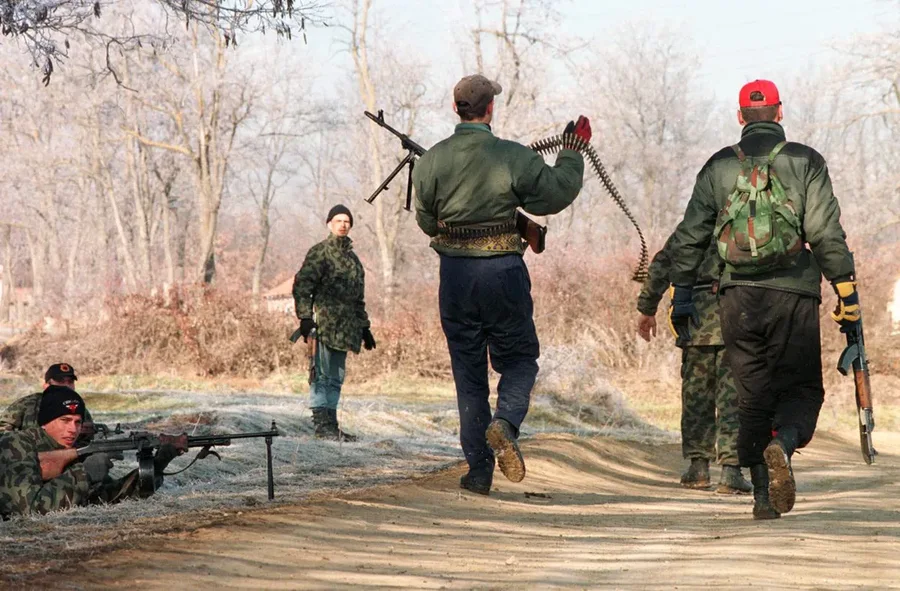
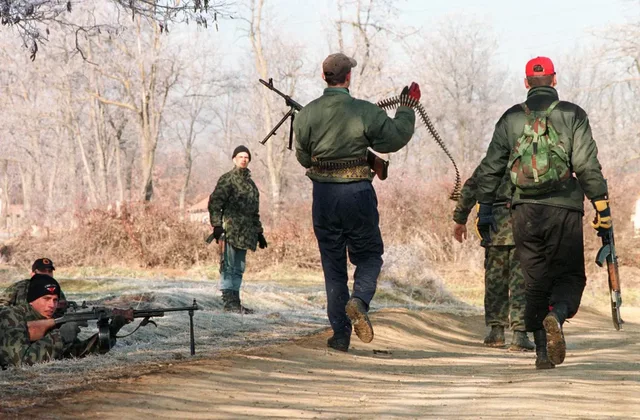
The new army has its roots in post-war light structures, which included former Kosovo Liberation Army fighters and had civil defense duties, including mine clearance and firefighting.
Eight years ago, lawmakers voted to gradually build up a conventional force over a decade for the country of 1.6 million people, with the support of the US, Germany, the UK and France.
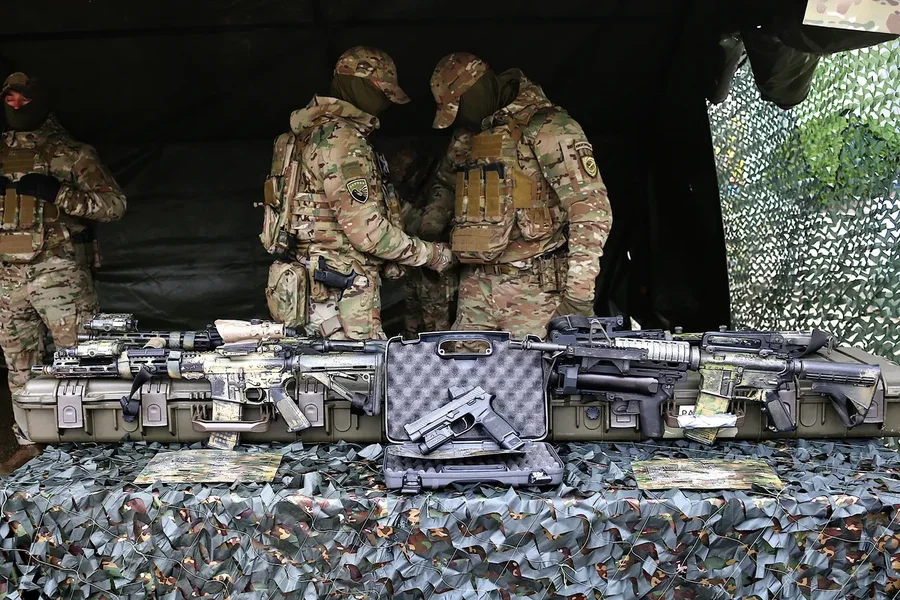
The Macedonian aims to recruit 5,000 active-duty soldiers and said the army has three times more rifles than personnel, as part of a broader plan to create a volunteer reservist system.
“Ideja nuk është të vendosim shërbimin e detyrueshëm ushtarak, sepse kjo do të sillte gjithashtu probleme financiare dhe të tjera,” tha ai, duke shtuar se “çdo qytetar do të ketë mundësinë të bëhet pjesë vullnetarisht e mbrojtjes sonë.”
Ai shtoi se oficerët e tij janë trajnuar ose nga SHBA-ja ose nga NATO.
Rreth gjysma e vendeve të botës e kanë njohur shpalljen e pavarësisë së Kosovës në vitin 2008. Aleatët kryesorë të Serbisë, Rusia dhe Kina, nuk e kanë njohur, ashtu si edhe pesë vende të Bashkimit Evropian (Spanja, Greqia, Rumania, Sllovakia dhe Qiproja) disa prej të cilave shqetësohen për lëvizjet separatiste brenda vendeve të tyre.
Kryeministri Albin Kurti ka shtyrë përpara përpjekjet për njohje universale që nga rikthimi në pushtet në vitin 2021. Megjithatë, përparim domethënës drejt këtij objektivi do të kërkonte rishikimin e Rezolutës 1244 të Këshillit të Sigurimit të OKB-së, e cila përcaktoi kuadrin pasluftës për Kosovën dhe autorizoi misionin paqeruajtës të NATO-s, KFOR, diçka që duket e pamundur pa një marrëveshje më të gjerë Kosovë-Serbi të pranuar nga fuqitë e mëdha, për shkak të kundërshtimeve në Këshillin e Sigurimit.
“Përpjekjet për ta shndërruar Forcën e Sigurisë së Kosovës në ushtri dhe për t’iu bashkuar aleancave ushtarake janë veçanërisht problematike,” deklaroi për mediat lokale shefi i Shtabit të Ushtrisë Serbe, gjenerali Milan Mojsilovic. Sipas tij, “ne e shohim KFOR-in si të vetmin formacion legjitim të armatosur.”
Ushtria serbe konsiderohet një nga më të fuqishmet në rajon, me rreth 20,000 deri në 30,000 trupa aktive. Ashtu si Kroacia, ajo po blen helikopterë dhe armë moderne dhe planifikon të rikthejë shërbimin e detyrueshëm ushtarak.
Kosova po i anashkalon kundërshtimet dhe kufizimet ligjore duke nënshkruar marrëveshje ushtarake dypalëshe me vende anëtare të NATO-s, kryesisht me SHBA-në dhe Turqinë. Kjo ka shkurtuar edhe kohën e prokurimeve ushtarake, tha Maqedonci. Ai theksoi se Prishtina shpenzon pak më shumë se 2% të Prodhimit të Brendshëm Bruto për mbrojtjen, më shumë se fqinjët e saj anëtarë të NATO-s.
Sipas ministrit, vendi disponon tre lloje dronësh, dy lloje UAV-sh dhe katër lloje raketash dhe misilesh antitank, ndërsa po planifikon të sigurojë kapacitete të mbrojtjes ajrore, artileri 155 mm dhe helikopterë.
Maqedonci tha se po vlerëson se sa helikopterë Black Hawk nevojiten, megjithëse diskutimet fillestare janë përqendruar te katër të tillë.
“Ata ofrojnë kapacitete shumëfunksionale”, shpjegoi ai. , ndërsa shtoi “mund t’i përdorim për transport personash, evakuim pacientësh, mbështetje me zjarr dhe gjithashtu për operacione kundër zjarreve, sepse kemi shumë zjarre pyjore gjatë verës.”
Preparations for the production of ammunition to NATO standards, as part of a broader effort to develop the domestic defense industry, are underway. Work on a future industrial complex is expected to begin in December.
“We will produce two types: 5.56 millimeter ammunition that we use for individual rifles and 7.62 millimeter ammunition that we use for machine guns,” the minister said.
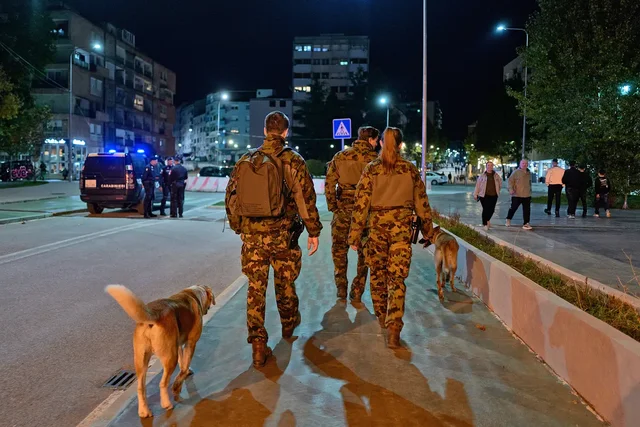
The plan is not for the Kosovo army to replace KFOR, but it should be ready in case NATO decides to reduce the 5,000-troop peacekeeping mission or transfer some monitoring and reporting tasks, Macedonci added.
A periodic assessment is underway and, although the mission will not end, it could be scaled back, a person familiar with the matter said on condition of anonymity.
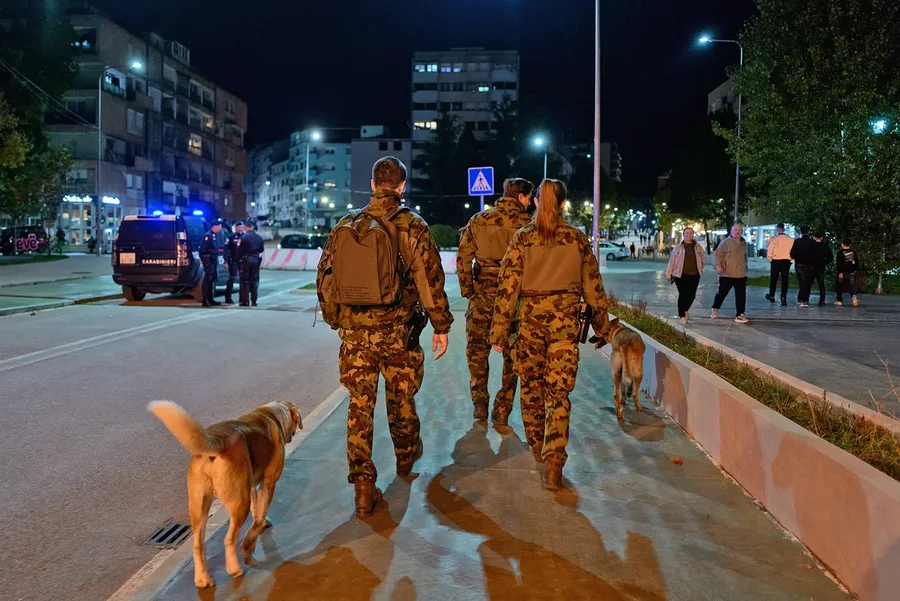
KFOR operates mainly in the Serb-dominated north, where violent outbreaks have occurred over the years. Troop numbers have now been reduced by about 90% since the 1999 NATO intervention that drove Serbian forces from the territory, as the mission's focus has shifted from post-war conflict management.
According to Marko Prelec, senior advisory analyst for the Balkans at the International Crisis Group, the focus should be on reaching a long-term agreement where Serbia would recognize Kosovo's independence, while Kosovo would accept that the Serb minority in the north has more rights to self-govern its own affairs.
Otherwise, he said, Kosovo's military buildup is "putting the cart before the horse."
The Macedonian was 19 years old and living in Horn, Switzerland, as an immigrant working to support his family, when he decided to join the Kosovo Albanians fighting in the KLA.
After the year-long war, which left more than 12,000 dead and forced hundreds of thousands more to flee their homes, he rose through the ranks of the Kosovo Protection Corps, which later became the Kosovo Security Force.
He attended the US Army Command and General Staff College and studied at the US Army War College before becoming Secretary of Defense in August 2023.
Now, his biggest challenge is to convince skeptical allies that his forces are no longer rebels and that the Kosovo army contributes to regional security.
He complained that KFOR peacekeepers are briefed as if they are going to a country at war, even though today's mission is not the same as that of the period immediately after the war.
“It’s a different situation, a different generation,” the Macedonian said. /Adapted from Bloomberg /


Lini një Përgjigje