


 Shkruar nga John P.Ruehl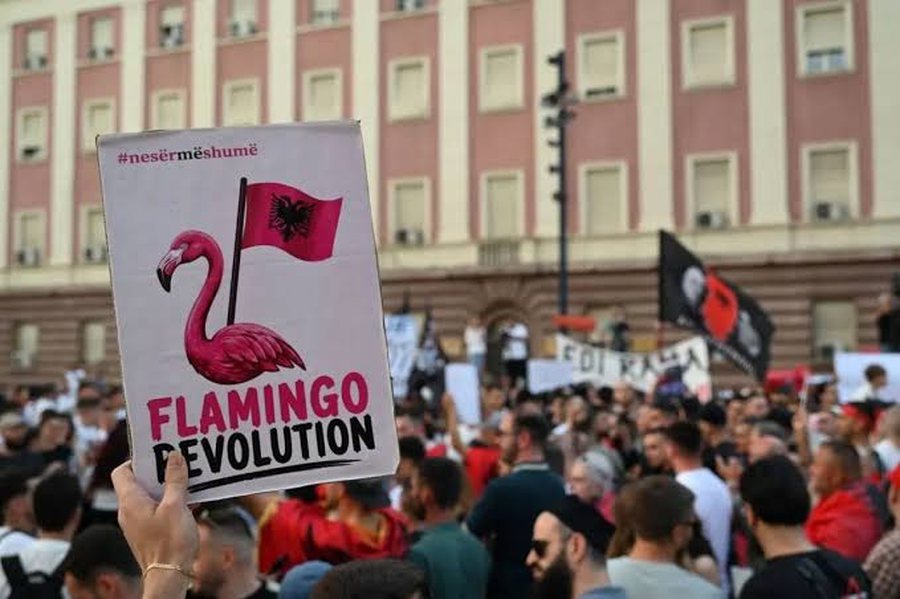
How Jared Kushner's billion-dollar projects are turning the Albanian coast into a battlefield between the interests of Washington, Brussels, and the Gulf states, jeopardizing Albania's path to the European Union.
After Miami-based company Affinity Partners secured the first construction permit for major projects on the Albanian coast on April 29, anger in the small Balkan country has been steadily growing.
Within weeks, video of a protester being beaten and dragged by private security guards went viral, helping to ignite what is now known as the “Flamingo Revolution” in Albania.
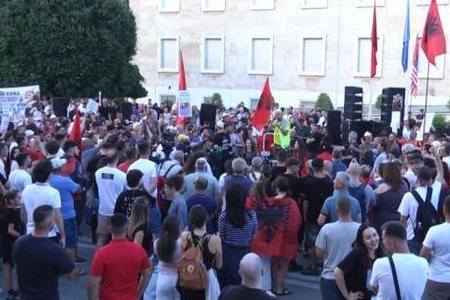
On July 4, tens of thousands of Albanians marched in Tirana, while other demonstrations took place across the country. The movement has been fueled by two planned projects: a $1.7 billion luxury resort on Sazan Island and a $4.6 billion development in the Zvërnec Peninsula and Vjosa-Nartë wetlands area.
Similar developments have sparked protests elsewhere in the Balkans in recent years, often linked to broader economic concerns and corruption. The Flamingo Revolution does not have a single organizer.
It stems from a vast network of environmental groups, anti-corruption activists, and ordinary citizens, many of whom are affiliated with civil society organizations that Western governments helped create over the past three decades, but which today operate independently of their original sponsors.
The major backers of the two projects have made these demonstrations particularly important. Both projects are being developed by Affinity Partners, led by Jared Kushner, US President Donald Trump's son-in-law and one of his unofficial advisers.
Since its founding in 2021, the firm has been largely backed by sovereign wealth funds from Saudi Arabia, the United Arab Emirates and Qatar. The Gulf states have increasingly invested in large tourism projects in recent years, aiming to diversify their economies beyond hydrocarbons.
However, the investments are increasingly being used to expand political influence, says political economist Karen E. Young. Designed to consolidate relationships with foreign governments and business elites, Affinity Partners now serves as an informal bridge between Middle Eastern capitals and the White House.
For investors, Albania's path towards membership in the European Union would significantly increase the value of tourism projects and other infrastructure developments.
Ndërkohë, Sazani ndodhet në një pozicion strategjik në hyrje të Detit Adriatik, ndërsa portet e reja, marinat dhe zhvillimet e tjera mund të kenë një përdorim të dyfishtë - civil dhe ushtarak - për qëllime sigurie në një zonë me rëndësi vendimtare.
Por, ndërsa marrëdhëniet mes Brukselit dhe Uashingtonit janë përkeqësuar gjatë mandatit të dytë të Donald Trumpit, ambiciet e Shqipërisë për anëtarësim në BE i kanë bërë këto projekte gjithnjë e më delikate.
Më 17 qershor, Parlamenti Evropian dënoi ndryshimet e vitit 2024 në Ligjin për Zonat e Mbrojtura të Shqipërisë, të cilat i hapën rrugën zhvillimit të këtyre projekteve, dhe kërkoi shfuqizimin e tyre.
Ai bëri thirrje gjithashtu për pezullimin e ndërtimeve në zonat e mbrojtura dhe për respektimin e standardeve të Bashkimit Evropian për mbrojtjen e natyrës. Disa eurodeputetë paralajmëruan se procesi i anëtarësimit të Shqipërisë mund të vihet në rrezik nëse këto projekte vazhdojnë.
BE-ja ka arsye të forta për të mbrojtur standardet e saj në një vend kandidat, pasi e kundërta do të dobësonte besueshmërinë e saj dhe do të inkurajonte projekte të ardhshme të fuqive të huaja, të miratuara përmes procedurave të dyshimta.
Megjithatë, Brukseli nuk u është bashkuar thirrjeve të shumë protestuesve që kryeministri shqiptar Edi Rama të japë dorëheqjen. Po ashtu, shumë demonstrues refuzojnë edhe opozitën kryesore politike, gjë që sugjeron se paqëndrueshmëria politike mund të vazhdojë pavarësisht se kush qeveris vendin. Kjo e ndërlikon edhe më tej strategjinë e zgjerimit të Bashkimit Evropian në Ballkan.
Ambiciet e Shqipërisë për anëtarësim në BE tani përplasen me zgjerimin e interesave tregtare dhe të sigurisë së Shteteve të Bashkuara, si edhe me investimet në rritje të shteteve të Gjirit. Ndërsa ndarjet janë thelluar edhe brenda vetë aleancës perëndimore, vende që dikur konsideroheshin pjesë e padiskutueshme e orbitës së saj janë shndërruar në hapësira konkurrence dhe paqëndrueshmërie.
Rrjetet lokale të protestës, të ndërtuara gjatë dekadave me mbështetjen e vendeve perëndimore, kanë rezultuar shumë më me ndikim sesa pritej. Që nga viti 1995, vetëm USAID ka investuar mbi 500 milionë dollarë në Shqipëri, sipas një raporti të vitit 2025 të Institutit China-CEE. Këto rrjete të shoqërisë civile kanë treguar qëndrueshmëri edhe pas shkurtimeve të financimit.
Për shembull, Rrjeti Ballkanik për Gazetari Investigative në Shqipëri (BIRN Albania), i cili është zhvilluar falë financimeve të USAID-it, ka luajtur një rol të rëndësishëm në pasqyrimin e protestave të fundit, së bashku me organizata të tjera të mbështetura më parë nga USAID-i, të cilat kanë qenë të përfshira në demonstrata.
The EU has also supported the development of civil society in Albania through funding programmes such as LIFE, as well as environmental organisations such as EuroNatur, BirdLife International and the Critical Ecosystems Partnership Fund (CEPF). These organisations have supported Albanian groups such as the Association for the Preservation and Protection of the Natural Environment in Albania (PPNEA) and EcoAlbania.
A decade ago, protests like the “Flamingo Revolution” might have enjoyed more direct support from official Western organizations, as well as stronger political backing.
Today, however, civil society networks, nurtured for years by Western governments, have become partially capable of setting their own agenda, which makes Brussels more cautious.
Meanwhile, Washington has withdrawn much of the financial support that once helped them function. Rather than weakening these networks, the withdrawal of Western support may have accelerated their independence.
For example, the Balkan Regional Alliance for Nature Protection is a coalition of more than 30 organizations, including the Alliance of Ecological Organizations of Serbia. This coalition has given full support to Albanian activists and local communities.
This shows how protest campaigns are increasingly transcending the ethnic and national divisions that have long shaped Balkan politics.
Affinity Partners may decide to modify or even abandon one of its major projects, thus reducing pressure on the Albanian government.
However, the protests have never been solely about the construction of a resort. They reflect a broad coalition of citizens disillusioned with corruption and the way foreign political and economic interests are shaping Albania's future.
The crisis that Albania is experiencing has also found echoes in Serbia and other parts of the Balkans.
The growing independence of these movements has come precisely at a time when US and EU interests are shifting, creating a new political force that neither Washington nor Brussels find it easy to control./ Adapted from "Pamphlet" By "Eurasia Review"





Lini një Përgjigje