


 Shkruar nga Sander Barrez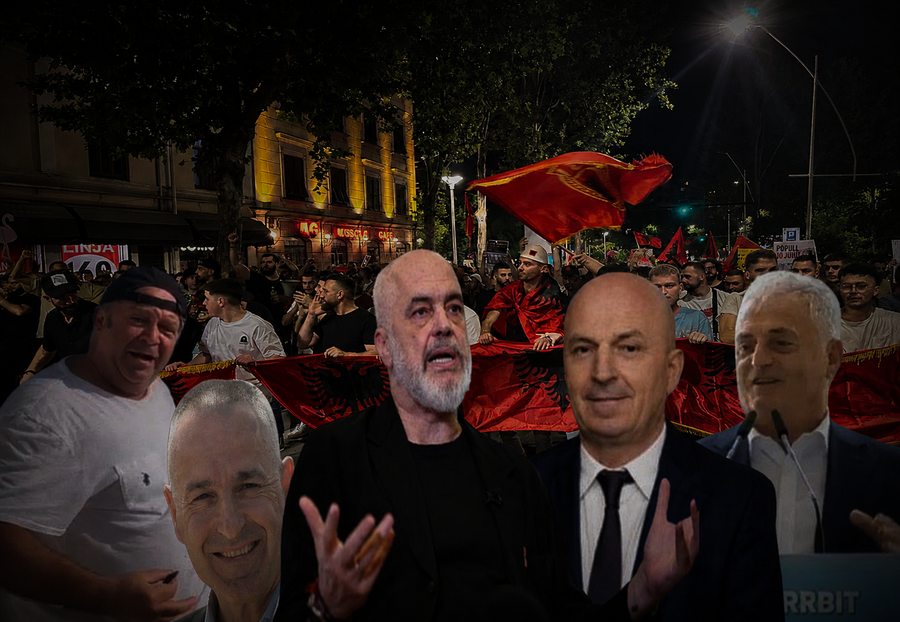
Popular uprising, against a corrupt class held hostage by the oligarchs
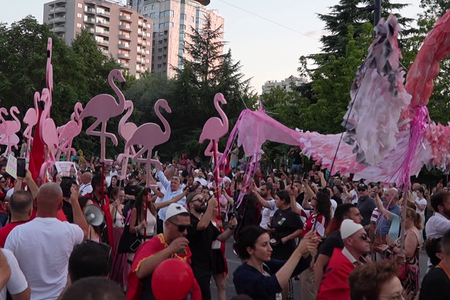
Xhemali grew up in Albania and knows the country like the back of his hand. We are staying at the house of his friend, Artur. He is also active in the movement, as is the rest of his group of friends. Every evening, when the temperatures drop somewhat, almost the entire city gathers on the main boulevard of the capital, Tirana.
"Rama in prison! Berisha in prison!" the crowd shouts. The prime minister and the main opposition leader are the targets of the protesters' anger. The crowd wants to see both of them in prison.
The great exodus
That evening we are there too. Artur pulls us into the crowd. I see an old man shouting that life has no meaning anymore since his children have left the country. A young woman, a student representative, explains to me that almost a million Albanians have left the country in recent years.
"There are only two million people left in Albania now," she says. Not many for a country almost the size of Belgium. That's significant. Young people are leaving the country and the birth rate is among the lowest in Europe.
Salaries and pensions are low, while healthcare, education and public transport have been privatised. The list of problems is endless. "If life were easier here, why would anyone leave everything and move to Belgium?"
A charismatic man, with a neat beard and gelled hair, sets the tone for the conversation.
"For a job of eight to twelve hours a day, in Albania you get paid between 500 and 750 euros. Renting an apartment costs at least 450 euros. How can you survive in these conditions?"
Artur's children all live abroad too. If you manage to find a job that matches your degree, you leave. However, there are exceptions.
"I will stay in Albania," says the young woman with whom I began the conversation with resolutely. "Someone has to stand up to the oligarchs."
"They are selling our country"
Corruption. This is the word that comes up in every conversation, whenever I try to understand the causes of the protest movement.
After two days of protests, we head south. We visit Sazan, the island that Jared Kushner and Ivanka Trump want to buy, and Zvërnec, the beautiful, untouched natural area where flamingos are expected to give way to luxury resorts. The way the land is being sold here is symbolic of something much bigger.
On the way, we pass by the airport that is under construction; more than 50% of the work is already completed. As we approach the coast, we see that luxury hotels and apartments are being built. The construction fever seems to have no end.
"Shqiptarët që nuk kanë para nuk mund ta shijojnë më detin këtu. Marrja me qira e një shezlongu në plazh kushton 20 euro."
Resortet shtrihen deri në horizont. Shqiptarët, në praktikë, po dëbohen nga bregdeti.
Në Shqipërinë e Edi Ramës, thuhet se është bërë normale që oligarkët dhe korporatat e huaja shumëkombëshe të marrin toka me çmime simbolike. Ndërkohë, fermerët që i kanë përdorur ato toka detyrohen të largohen.
Vazhdojmë udhëtimin.
"A e dini që kemi naftën më të shtrenjtë në gjithë Ballkanin?", më thotë Igli, shoferi ynë, ndërsa presim trenin në një kalim hekurudhor.
Treni lëviz shumë ngadalë. Ajri është i mbushur me erën e naftës.
"Nafta që kalon këtej ngarkohet në anije në port. Dikur kishim rafinerinë tonë, por tani nafta dërgohet jashtë vendit për t'u përpunuar dhe më pas kthehet këtu me një çmim më të lartë. Nafta jonë kushton më pak në vendet fqinje. A e besoni?"
Ai tren mallrash, ndërkohë, është i vetmi tren që vazhdon të funksionojë në Shqipëri.
Dikur, të gjitha qytetet kryesore ishin të lidhura me linja hekurudhore dhe autobusë publikë.
"Sot jemi të detyruar të blejmë makinë, por rrugët tona mezi janë të kalueshme."
Sipas bashkëbiseduesve, oligarkët ndërtojnë autostrada me pagesë, ndërsa shteti lejon që rrugët publike të degradojnë. Pasojat i përjetojmë edhe vetë. Qytetet janë të paralizuara nga trafiku, sepse praktikisht nuk ekziston asnjë alternativë tjetër përveç automobilit.
Për më tepër, sipas tyre, pothuajse të gjitha hapësirat publike në Tiranë po ndërtohen nga kompanitë e ndërtimit.
Me zemër të rënduar dhe një ndjenjë nostalgjie, Xhemali më shëtit në një lagje.
Përballë pallatit ku po qëndrojmë dikur ndodhej një fushë basketbolli. Në krah ishte një sallë e vogël ku të rinjtë bënin prova muzike.
Tashmë gjithçka i ka lënë vendin apartamenteve luksoze.
Kinemaja, fusha e futbollit, parku, shatërvani. E njëjta histori përsëritet kudo.
"Nuk ka mbetur më hapësirë për njerëzit. Ka vend vetëm për të konsumuar në restorante dhe kafene. Dikur të gjithë mblidheshin në të njëjtin shesh, të rinj e të moshuar. Nëse nuk të shihnin për një ditë, pyesnin se çfarë kishte ndodhur me ty. Sot të rinjtë janë të detyruar të rrinë në shtëpi me telefonin në dorë", thotë Xhemali.
Një ofertë për ndërtim si praktikë e pastrimit të parave
Tirana, me gjithë ato hapësira të gjelbra dhe publike që më përshkruajnë... e kam të vështirë ta imagjinoj. Sot, madje edhe pjesë të trotuareve po zihen për të zgjeruar kafenetë dhe restorantet. Madje, sipas Arturit, ekzistojnë plane edhe për shembjen e shtëpisë së tij, në mënyrë që në vend të saj të ndërtohet një godinë shumëkatëshe.
"Na premtuan një apartament të ri dhe fitime të mëdha, por njerëzit që njoh dhe që nënshkruan kontratën nuk e panë më kurrë ndërtuesin pasi ndërtesa u shemb. Në vend të saj mbeti vetëm një kantier ndërtimi," tregon Arturi.
Building buildings and then leaving them empty. It doesn't make sense to me, but it happens. The population is shrinking, while Albania has turned into a giant construction site.
One evening, Xhemali shows me the tallest building in Albania. The entire facade is printed with the country's map.
"Only twelve apartments have been sold in this giant building," he says.
It's pitch dark and not a single light is on in the entire building. How is that possible?
According to the interlocutors, the construction sector is one of the most profitable ways to launder money. Money from drug trafficking or dirty money of oligarchs is laundered through investments in construction. However, collecting evidence on this issue is difficult. Everyone, they say, knows what is happening, but speaking publicly is considered too risky.
oligarchs
It is almost forgotten that Albania's national wealth was once publicly owned. During the socialist era of Enver Hoxha, the country produced almost everything itself, especially after being politically and economically isolated from the rest of the world.
Talking to people, I understand that no one feels nostalgic for the time when the police stopped you if you wore Western clothes or when listening to Italian radio was forbidden. However, many of them have the feeling that communism never completely fell.
Meanwhile, capitalism has entered Albania. National assets, according to interlocutors, were sold to a handful of oligarchs. People who previously held important positions found themselves at the head of the new system. According to them, it is precisely this group that dictates the rules in Albania. The main sectors of the economy, including the media, are in their hands.
Edi Rama's ruling party and the main opposition party are considered, according to interlocutors, to be puppets of the oligarchs.
"They just cut, cut, cut. These people don't do anything else," says Xhemali.
As we walk through Tirana's central square, he tells me a story: "After the revolution, the communists turned the bourgeois parliament into a puppet theater for children. In fact, this metaphor for how our system works is still relevant."/ Adapted from "Pamphlet" by "DeWereldMorgen"


Lini një Përgjigje