


 Shkruar nga Pamfleti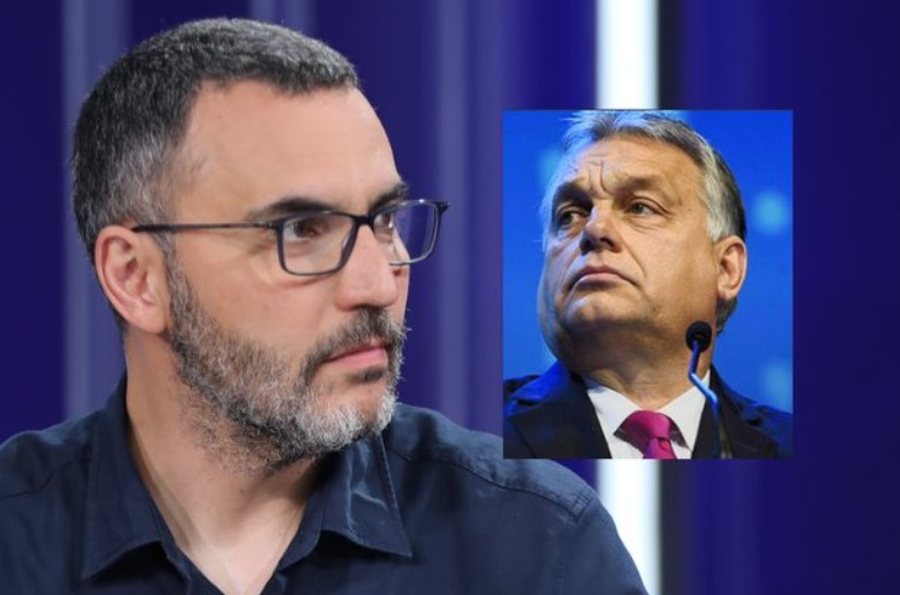
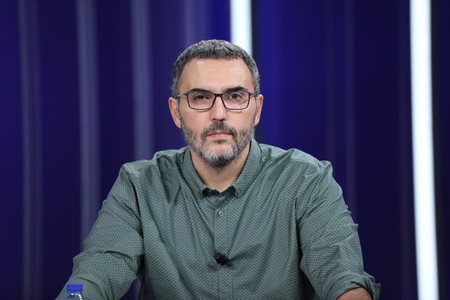
The leader of the Together Movement, Arlind Qori, has spoken about political developments in Hungary, describing the overthrow of Viktor Orban after 16 years in power as an important example of challenging authoritarianism.
Invited to the show "The Unexposed", Qori stated that the change came as a result of internal dissatisfaction and the wear and tear of a long period of power.
According to him, corruption, scandals and economic decline have made the former Hungarian prime minister increasingly unpopular.
"The loss of an autocrat is always good news, regardless of his ideological leanings ," Qori said.
He stressed that the elections in Hungary also showed that international influence was not decisive, underlining that the electorate was not swayed by the positions of figures like Donald Trump or JD Vance.
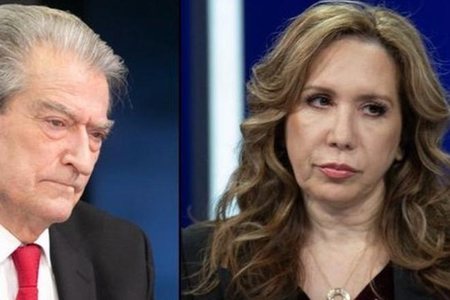
In his analysis, Qori also focused on Albanian politics, stating that Viktor Orban has been a figure supported by both Prime Minister Edi Rama and opposition leader Sali Berisha.
"Orban is a consensual figure in Albania, he is loved by Berisha and Rama," he said.
However, Qori stressed that the Hungarian model cannot be applied in Albania, as the change there came from a figure who came from within the Orban system. According to him, in Albania the situation is different, where the country faces a worn-out government and a compromised opposition.
He added that the country needs a new political alternative with a moral basis, emphasizing that transformation requires time and broad social involvement.



Bravo