


 Shkruar nga Pamfleti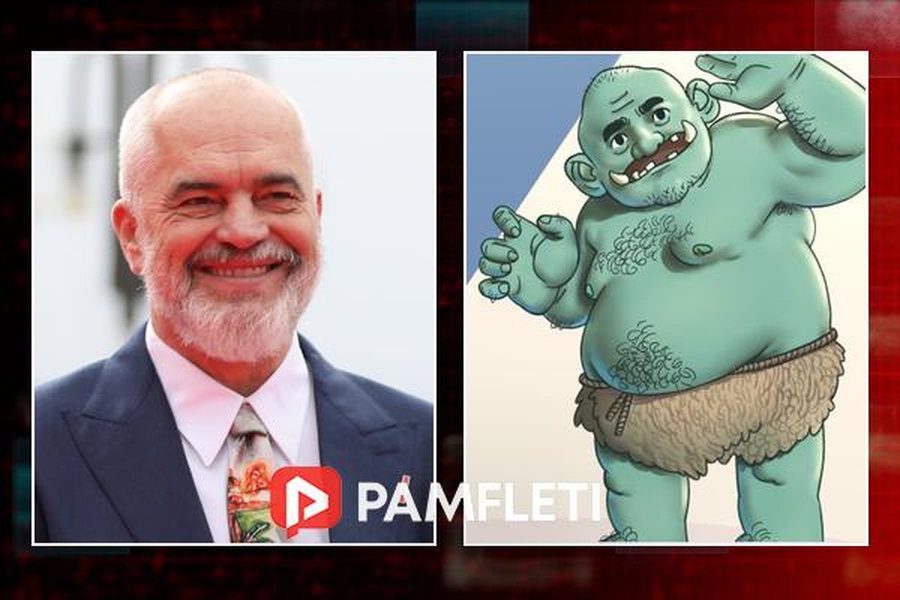
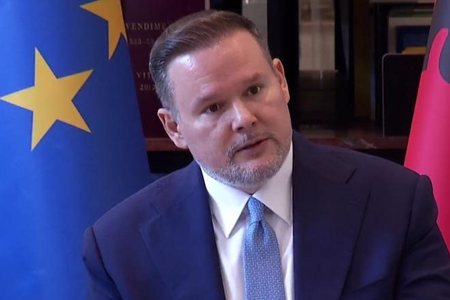
Edi Rama heads the report on hate speech in the Balkans...
Escalating political tensions in Albania marked this month, as anti-corruption and environmental protests continued to bring thousands of citizens to the streets. Protesters raised concerns about corruption, governance, economic hardship, and controversial government-backed development projects, particularly those affecting the ecologically sensitive Zvërnec area and the Narta Lagoon. Civil society organizations, environmental activists, and a growing number of bloggers, influencers, and digital content creators joined the campaign, using social media to raise awareness and mobilize public support.
Instead of engaging with the protesters’ concerns, Albanian Prime Minister Edi Rama responded with a series of public speeches, podcast appearances, and social media posts that consistently shifted attention from the issues themselves to attacking the people who raised them. Throughout the month, his communication relied on ridicule, insults, dehumanizing language, and personal attacks, with the aim of undermining the credibility and legitimacy of the protesters and their online supporters.
One of the most obvious targets of Rama’s rhetoric was influencers and bloggers who publicly supported the environmental movement. Instead of addressing allegations of environmental damage, lack of transparency, or corruption surrounding proposed development projects, Rama portrayed online content creators as opportunists exploiting public causes for personal gain. He accused them, without providing evidence, of evading taxes while making money from their content, calling them morally dishonest, rather than confronting the substance of their criticisms.
His attacks became particularly hostile towards female influencers. Rama repeatedly commented on their appearance, mocked their work, and used sexually suggestive comments that had little or no relevance to the environmental debate. References to bikini photos, women’s bodies, and suggestive jokes objectified female critics, while reinforcing misogynistic stereotypes. He also publicly mocked influencers by imitating them during speeches and making sarcastic comments about their promotional work, turning political dissent into public humiliation. These comments were widely shared on television, news portals, and social media clips, significantly increasing their reach.
Në të njëjtën kohë, Rama përdori një retorikë po aq agresive edhe ndaj pjesëmarrësve në protestat më të gjera kundër qeverisë. Në vend që t'u përgjigjej shqetësimeve të publikut për qeverisjen dhe korrupsionin, ai i përshkroi protestuesit si "hajvanë", i akuzoi se kishin një "mentalitet fashist" dhe i krahasoi me nazistët dhe lëvizje ekstremiste si Agimi i Artë në Greqi. Duke e paraqitur kundërshtimin si të rrezikshëm, irracional dhe antidemokratik, ai i portretizoi kundërshtarët politikë si armiq dhe jo si qytetarë që ushtrojnë të drejtën e tyre demokratike për të protestuar.
Kryeministri fajësoi gjithashtu protestat për dëmtimin e industrisë së turizmit dhe ekonomisë së Shqipërisë, duke argumentuar se demonstratat kishin sjellë anulimin e rezervimeve dhe kishin dëmtuar imazhin e vendit. Në të gjithë komunikimin e tij publik, ai sugjeroi vazhdimisht se protestuesit ishin të manipuluar, të nxitur nga interesa të fshehta ose të motivuar nga përfitime personale dhe jo nga shqetësime të sinqerta qytetare. Në postimet e tij në Facebook gjatë muajit, kjo narrativë u bë edhe më e theksuar, me protestuesit që përshkruheshin me etiketime çnjerëzore si "zvarranikë", "sorra", "racë derrash" dhe "mbetje socio-politike". Ai pretendoi më tej se lëvizjet protestuese koordinoheshin përmes ndikimit të huaj, manipulimit digjital dhe "algoritmeve të urrejtjes", ndërsa veçoi individë të caktuar me akuza personale dhe etiketime fyese.
Të marra së bashku, këto deklarata zbulojnë një strategji të qëndrueshme komunikimi. Në vend që t'u përgjigjej kritikave me prova ose argumente politike, Kryeministri kërkoi vazhdimisht t'i delegjitimonte kritikët duke sulmuar karakterin, motivet, inteligjencën dhe identitetin e tyre. Aktivistët mjedisorë u paraqitën si njerëz që kërkojnë vëmendje, influencerët si përfitues të pamoralshëm dhe protestuesit si ekstremistë, armiq të interesit publik dhe madje si kafshë.
Ky model retorike është veçanërisht i dëmshëm, sepse e largon debatin publik nga çështje thelbësore si mbrojtja e mjedisit, korrupsioni, qeverisja dhe problemet ekonomike, duke e zhvendosur atë drejt sulmeve personale dhe polarizimit. Përdorimi i përsëritur i gjuhës mizogjene, etiketimeve çnjerëzore dhe akuzave të pabazuara normalizon armiqësinë ndaj aktivistëve qytetarë dhe dekurajon pjesëmarrjen publike në proceset demokratike. Duke ardhur nga posti më i lartë politik në vend, një diskurs i tillë ka një peshë të veçantë. Ai thellon ndarjet shoqërore, legjitimon ngacmimin e kritikëve dhe kontribuon në krijimin e një klime gjithnjë e më armiqësore, ku kundërshtimi nuk paraqitet si një e drejtë legjitime demokratike, por si diçka e turpshme, e rrezikshme ose thelbësisht e paligjshme. /Përshtati “Pamfleti” nga “Reporting Diversity Network"
The Balkan Troll of the Month is an individual, a group of individuals or a media outlet that spreads hate speech based on gender, ethnicity, religion or other categories of diversity. The Balkan Troll is selected based on cases of hate speech identified in the Western Balkans region.




Lini një Përgjigje