


 Shkruar nga Pamfleti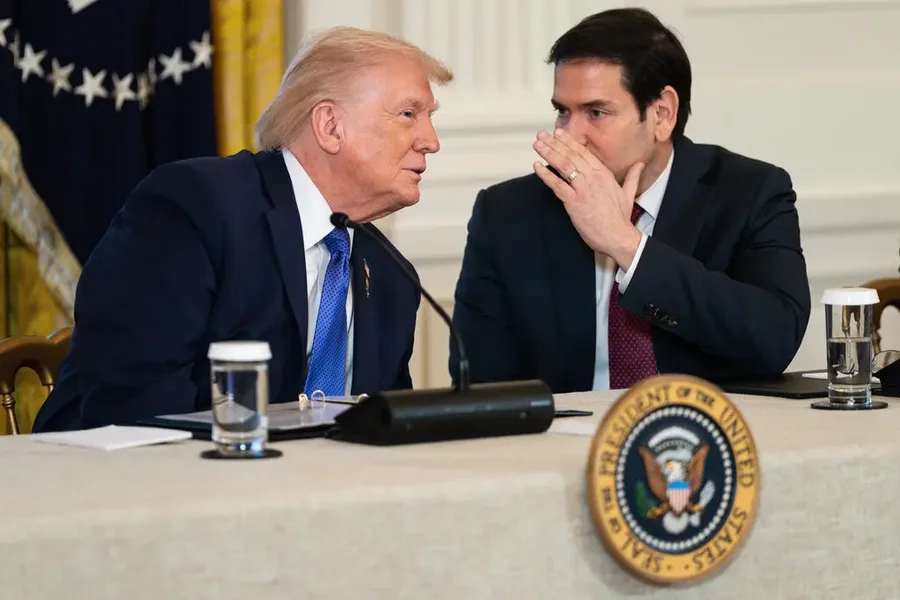
The main assessment is that the United States is not abandoning the Balkans, but is giving it other priorities, reducing the importance of the region within a more transactional and less institutional foreign policy framework. The level of geopolitical risk remains medium to high, not due to an immediate disruption or destabilization, but due to the gradual decline in the predictability of the American presence. The coming months will show whether the gap in the appointment of ambassadors is temporary or reflects a more sustainable repositioning of priorities. The key point to watch is whether Washington will reinvest in institutional representation and traditional means of influence, or will continue to approach the region through selective engagement, political loyalty, and immediate strategic benefits...
The State Department’s call for “American patriots” to join the new diplomatic service is not just an administrative adjustment. It reflects a deeper shift in U.S. foreign policy, one that affects not only the way diplomats are selected but also the very role of the American presence in the world. The reform promoted by Secretary of State Marco Rubio is presented as a necessary adaptation for the 21st century, based on the “America First” doctrine and clearly oriented towards advancing American national interests.
However, the picture is not as simple as Washington presents it. The appeal for “patriots” comes after a wave of departures and dismissals that have weakened an already strained diplomatic corps. As a result, the narrative of renewal appears to build on an earlier phase of internal emptying.
The new selection process emphasizes not only knowledge of U.S. history, foreign policy, and analytical reasoning, but also a profile of political and ideological alignment, shifting diplomacy from a traditional institutional function to a more direct instrument of political projection. The slogan “Be the Face of America” is not just communication; it encapsulates a new philosophy, where the diplomat is expected less to manage complex balances and more to embody a politically recast national narrative.
Ky ndryshim bëhet edhe më i rëndësishëm pasi përkon me një boshllëk në zgjerim në përfaqësimin diplomatik amerikan, veçanërisht në Ballkan. Që nga fillimi i vitit 2026, dhjetëra poste ambasadorësh amerikanë kanë mbetur vakant pa emërime të konfirmuara nga Senati, me rajonin e Ballkanit ndër më të prekurit. Serbia, Bosnjë dhe Hercegovina, Mali i Zi, Shqipëria, Maqedonia e Veriut, si dhe Bullgaria janë aktualisht pa ambasador amerikan, një mungesë që nuk mund të konsiderohet më si vonesë e përkohshme. Shkalla dhe kohëzgjatja e këtyre boshllëqeve forcojnë perceptimin se rajoni renditet ulët në listën e prioriteteve të Uashingtonit. Këtu ndërthuret reforma e brendshme e Departamentit të Shtetit me realitetin gjeopolitik të Ballkanit, thuhet në një analizë të Indipendent Balkan News Agency.
Ndërsa Uashingtoni po rikoncepton aparatin diplomatik drejt disiplinës ideologjike, komunikimit publik dhe promovimit të drejtpërdrejtë të interesave, rajone si Ballkani rrezikojnë të shtyhen më tej në periferi, pikërisht sepse nuk ofrojnë përfitime të menjëhershme dhe lehtësisht të matshme. Kjo nuk është thjesht çështje mungese stafi administrativ; ajo sinjalizon një ndryshim të mundshëm në prioritetet strategjike.
Në analizë theksohet se diplomacia amerikane po largohet gradualisht nga një kuadër marrëdhëniesh strategjike dhe institucionale afatgjata drejt një modeli më transaksional, ku theksi vihet te përfitimet e matshme, investimet, infrastruktura, mundësitë e biznesit dhe fitimet gjeoekonomike.
Në këtë kontekst, pyetja thelbësore për Ballkanin është: çfarë mund të ofrojë një rajon me peshë të kufizuar ekonomike për një superfuqi që gjithnjë e më shumë udhëhiqet nga llogaritjet kosto-përfitim? Dhe ky konstatim merr tani peshë më të madhe, pasi mungesa e ambasadorëve konfirmon se angazhimi amerikan nuk po zhduket, por po ndryshon në aspekt cilësor.
Dobësimi paralel i instrumenteve të “soft power”, si USAID, e përforcon këtë interpretim. Për dekada, prania amerikane në Ballkan nuk kufizohej vetëm te fuqia e fortë apo diplomacia dypalëshe, por mbështetej nga një rrjet më i gjerë angazhimi institucional, programe zhvillimi dhe ndikim përmes shoqërisë civile. Nëse ky kuadër po tkurret ndërkohë që postet e ambasadorëve mbeten bosh, tabloja që krijohet është ajo e një pranie më pak të qëndrueshme, më pak institucionale dhe gjithnjë e më selektive.
This has direct consequences for Balkan governments. Many of them initially saw the return of Donald Trump as an opportunity for a more pragmatic relationship with the US, without the language of political conditionality, democratic preconditions and institutional reprimands. However, this optimism is facing the other side of personalized diplomacy: when foreign policy depends more on the preferences of a narrow circle of decision-makers and less on stable institutions, predictability declines and the regional security of smaller states becomes more fragile. This, as IBNA has also pointed out, creates a new risk framework for the Balkans, where the American presence does not disappear, but ceases to function as a fully stable and predictable pillar.
The absence of ambassadors, then, does not mean a lack of American influence. It signals a different form of influence: looser, more fragmented, more politically controlled, and less anchored in institutions. In this new environment, “patriot diplomacy” is not an isolated domestic initiative, but a symptom of a broader repositioning, in which Washington seems to prefer flexibility to institutional continuity and political loyalty to classic diplomatic neutrality.
The choice of figures like Kimberly Guilfoyle for the post of ambassador to Greece fits this logic. It is not just an appointment with strong political symbolism, but a broader trend towards the politicization of diplomatic representation, where political identity and proximity to the presidential circle take on more weight. When this trend is combined with vacancies across a regional arc, the picture becomes clear: The Balkans are not being abandoned, but are being repositioned at a lower level of American strategic attention.
The essential question, then, is not whether the United States is withdrawing completely from the region. It is whether its presence is shifting from a stable and institutionally structured form to a more fragmented, personalized, and transactional one. And this is the critical element for the next phase of geopolitics in the Balkans: not a lack of power, but a transformation of its nature. /Adapted from Pamphlet /


Eshte dicka e perkoheshme. Ne nentor Donald humb dhe fillon procedura e impeachment. ne 2029 eshte ne burg , ai dhe shpura e tij
Nuk do e gjeje gje, do e nxjerrin doktoret të semure psiqik, të rrjedhur nga trute, ia kane pasur fajin të tjeret e bishta të tjera.