


 Shkruar nga “Atlantic Council”
Despite announcements of his resignation from the presidency and promises of new elections, Aleksandar Vučić's recent moves are seen as a purely tactical maneuver to maintain absolute control over Serbia...
On the EU enlargement “Super Tuesday,” considered the biggest day of accession movement in more than two decades, Ukraine and Moldova opened new negotiating groups, while Montenegro and Albania closed chapters.
Serbia was the only negotiating country left out, with eight member states blocking Group 3 due to concerns about the rule of law and Belgrade's non-compliance with EU sanctions on Russia.
The rejection comes at a time of extraordinary flux in Belgrade. After 20 months of student-led protests, Aleksandar Vučić has announced he will resign as president, expecting to return as prime minister after elections that could be held in early December, while urging Brussels to abandon merit-based enlargement and accept the six Western Balkan countries as a bloc.
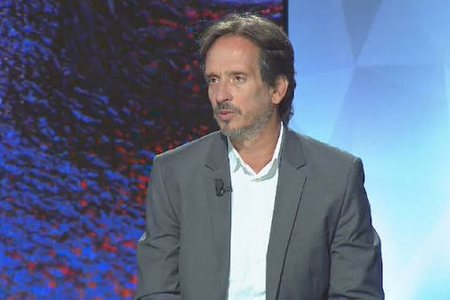
In the next episode of 'BalkansDebrief', Ilva Tare interviewed Srgjan Majstorovic, political scientist and Chair of the Board of Directors of the Centre for European Policy (CEP), about the gap between the Commission and EU capitals, whether Serbia's reforms are real or cosmetic, Vučić's political calculations, the student electoral list and what the transatlantic divergence between Washington and Brussels means for democratic reform in Serbia.
On the “Big Tuesday” of enlargement, the EU opened chapters with Ukraine and Moldova, while Serbia was blocked by eight countries. Were you surprised by this gap between the Commission and the member states?
For those who follow developments in European capitals, this was no surprise. The rules of membership are clear. If a country fails to uphold the rule of law (independence of the judiciary, fight against crime and corruption), it cannot progress, regardless of the technical criteria.
The eight member states refused to turn a blind eye to Serbia's poor record on the rule of law and its failure to comply with EU sanctions on Russia. The Baltic states are very strict on foreign policy, while countries like Sweden and the Netherlands do not tolerate shortcomings in the legal system.
So, the problem lies in implementing reforms, not in passing laws. Why are reforms stalling in Belgrade?
Because the full implementation of rule of law standards would strike at the main pillars on which the current regime's power is based. A real fight against organized crime and corruption would affect people within the ruling coalition itself.
Kjo e bën zbatimin e reformave shumë të pafavorshëm për një regjim që përpiqet të shitet si demokratik, por që në fakt nuk ka vullnet të sinqertë për reforma strukturore.
Komisioni Evropian foli për “progres real”, por kritikët i quajnë reformat kozmetike. Kush ka të drejtë?
Unë mendoj se reformat janë thjesht kozmetike. Për shembull, në reformën në drejtësi, qeveria bëri ndryshime ligjore që na kthyen në pikën zero, duke injoruar shoqërinë civile dhe institucionet ndërkombëtare.
Për fat të keq, Komisioni e vlerësoi këtë si një progres. Por fatmirësisht, disa kryeqytete në BE po e monitorojnë situatën shumë më hollësisht, sepse e kuptojnë që Serbia ndodhet në një krizë të thellë politike.
Presidenti Vuçiç sugjeroi që gjashtë vendet e Ballkanit të pranohen si një bllok i vetëm. A është ky vizion rajonal apo lëvizje taktike?
Është thjesht një lëvizje taktike për të hequr vëmendjen nga suksesi i vendeve si Mali i Zi, Shqipëria, Moldavia dhe Ukraina. Regjimi serb luajti një bixhoz të gabuar gjeopolitik në fillim të luftës në Ukrainë, duke vënë bast se Rusia do të fitonte shpejt dhe se sanksionet do të dështonin.
Ndërsa ukrainasit po mbrojnë vendin dhe po bëjnë reforma komplekse, Vuçiç po sjell ide të çuditshme që nuk janë në tryezë. Por BE-ja do të vazhdojë të zbatojë parimin e meritave individuale të secilit shtet.
Vuçiç ka deklaruar se do të japë dorëheqjen si president për t’u kthyer si kryeministër pas zgjedhjeve të dhjetorit. Cilat janë llogaritë e tij?
Në një autokraci, pushteti nuk i takon institucionit, por personit. Pushteti thjesht do të zhvendoset atje ku shkon Vuçiç. Në Serbi ndarja e pushteteve është zhdukur dhe çdo gjë kontrollohet nga një zyrë e vetme.
Ky rotacion i stilit “Medvedev-Putin” nuk do të ndryshojë asgjë për mirë. Për më tepër, data e zgjedhjeve nuk është kurrë e sigurt. Regjimi ka organizuar 4 herë zgjedhje të jashtëzakonshme për të mobilizuar votuesit dhe për të blerë kohë në pushtet, sa herë që është ndier i rrezikuar nga protestat.
Studentët po hartojnë listat e tyre të kandidatëve, ndërsa opozita është e përçarë. A mundet që energjia e rrugës të sjellë një ndryshim të vërtetë në Serbi?
Unë shpresoj shumë që kjo të ndodhë. Lëvizja studentore dhe qytetarët që protestojnë janë forca e vërtetë në këtë moment. Sondazhet e fundit nga shoqëria civile (si CRTA) tregojnë se lëvizja studentore është rivali i vetëm real i regjimit.
Të gjithë ata që besojnë te një Serbi evropiane dhe demokratike duhet të rreshtohen me studentët.
Uashingtoni po synon të arrijë marrëveshje tregtare dhe stabilitet në rajon, ndërsa Brukseli kërkon reforma. A po e dëmton kjo divergjencë demokratizimin e Serbisë?
Po, e dëmton seriozisht. Administrata aktuale në Uashington po bën një gabim strategjik duke kërkuar vetëm stabilitet dhe biznes dhe duke anashkaluar demokratizimin. Pa kthimin e legjitimitetit te qytetarët, nuk mund të zgjidhet as normalizimi i raporteve me Kosovën dhe as bashkëpunimi rajonal.
This strategic dialogue may give Vučić a “quick win” for his voters, but the history with Orbán’s Hungary shows that doing business this way comes with a very heavy bill later. The regime is in danger of completely distancing itself from Brussels’ main line.
What is the best possible scenario for the next 6 months and what should the EU do differently?
The best-case scenario and the reality often do not coincide. The regime will use undemocratic means in the parliamentary elections. It is buying up the last independent media outlets (such as N1 and Nova S) and closing down public space. However, the opposition and students are training thousands of volunteers to monitor the elections.
What the EU should do differently is to send as many international observers as possible to the ground, monitor every detail before and during election day, and remain vigilant. We will not surrender to this regime./ Adapted from: Pamphlet


Një pyetje kisha... Korrupsioni,mashtrimi ,hajdutllëkun,krimi ekonomik, politik dhe social,më shumë se në Shqipëri,a ka në ndonjë vend tjetër ballkanik.Politikanë,më të korruptuar dhe më diktatorë se në Shqipëri nuk ka askund në Europë,duke përjashtuar Putinin dhe Lukashenkon.Europa e dhjerë ecën me standarte dyfishe,dhe sipas interesit... Shqipëria i mbylli negociatat,por populli shqiptar nuk fiton asgjë,përkundrazi humb shumë me këto standarde të dhjeta të politikës së qelbur 35 vjeçare shqiptare