


 Shkruar nga Gjergj Zefi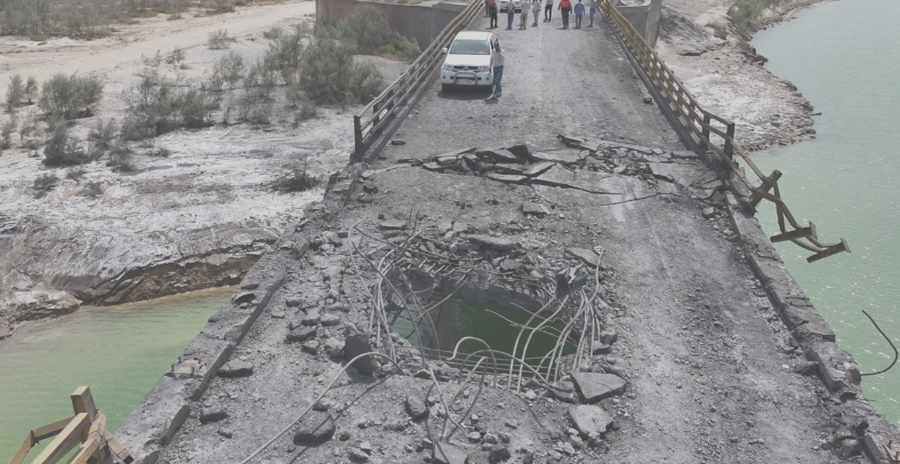
The bombings did not topple the Iranian regime, but they gave it political breathing space, while the dream of a better deal than Obama's seems more distant than ever today.
From the first day of the escalation of the crisis with Iran, we have defended a simple thesis: Iran's problem is not just its nuclear program, but the very nature of the regime that runs the country. Anyone who thought that a few weeks of bombing would force Tehran to capitulate or automatically bring it to the negotiating table did not understand the complexity of the Islamic Republic.
History is proving exactly this.
Instead of weakening, the Iranian regime used the military conflict to consolidate its internal control. Every bomb dropped from abroad was used as propaganda to fuel the narrative of "enemy encirclement," silencing critical voices and forcing a section of society to align itself with the external threat. This is the classic mechanism by which authoritarian regimes survive.
This is why we have consistently argued that real change in Iran could not come from missiles, but from the Iranian people themselves. The protests that shook the country after the death of Mahsa Amini proved that there is a society that is demanding freedom, reform, and the end of the theocratic regime. It is precisely that energy that should be supported politically, diplomatically, and economically by the West, not replaced by a military conflict that gave the regime political oxygen.
The paradox is clear. What began with rhetoric of "shifting the balance" ended up giving Tehran the strongest argument to suppress domestic opposition in the name of national security.
Even the Trump administration seems to have come to grips with the limits of the strategy of force. Military targets can be hit, but political change cannot be imposed from the air. If the goal was to force Iran to accept new terms or change its strategic behavior, the results so far do not support this expectation.
The diplomatic outlook remains equally unclear. Returning to the negotiating model of the Obama administration years seems more difficult than ever. Mistrust has deepened, the parties are further apart, and any new round of talks would take place in a climate far more hostile than the one that produced the 2015 nuclear deal.
Ultimately, the Middle East does not change with slogans or triumphalist declarations. It only changes when the political reality of the region and the dynamics of the societies that comprise it are understood.
Therefore, the balance so far is bitter. A lot of rhetoric. A lot of threats. A lot of bombings.
And very little change.
Whether the goal was a weaker, more compromise-minded Iran remains to be seen. If the goal was to end the regime, developments so far suggest the opposite: it has found a new reason to tighten its grip.
Perhaps this is the biggest lesson of this crisis. Authoritarian regimes are not necessarily overthrown by external military pressure. They often only change when they lose legitimacy in the eyes of their citizens. And that is where the West's strategy should have been focused.
Otherwise, this entire clash risks being remembered only with a simple conclusion:
Much ado about nothing./ Pamphlet


Lini një Përgjigje