


 Shkruar nga Agron Gjekmarkaj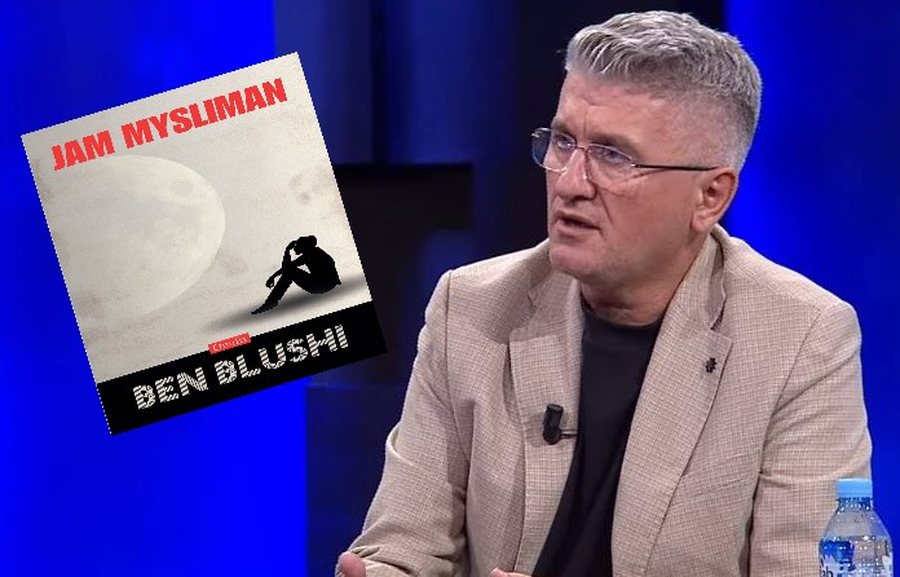
Ben Blushi's novel "I Am a Muslim" does not aim to mechanically reproduce Albanian reality, but to reconstruct it through allegory, symbolism, and a narrative that combines the artistic dimension with philosophical and social reflection.
The novel "I am Muslim" by writer Ben Blushi represents one of the most controversial works of contemporary Albanian literature!
He does not aim only to tell a story, but to raise questions about the relationship between the individual, religion, identity and freedom! He uses writing as therapy for Albanian crossroads, searching for the origins of misunderstandings, the comedy of clashes that should be taken seriously!
From Aristotle, who in his work "Poetics" defines literature as mimesis - the artistic imitation of human action - to modern theorists such as Terry Eagleton and René Wellek, literature has been seen not simply as a reflection of reality, but as a creative form that interprets, transforms and puts it into question, with the aim, ultimately, of enriching human experience.
In this sense, Ben Blushi's novel "I Am Muslim" does not aim to mechanically reproduce Albanian reality, but to reconstruct it through allegory, symbolism, and a narrative that combines the artistic dimension with philosophical and social reflection.
From the first pages, it becomes clear that the author is not building a realistic world in the classical sense. The characters, events, and dialogues are not created just to tell a story, but also to convey ideas and symbols.
“The Street of Kavaja” is not simply an urban space of Tirana, but a metaphor for today’s Albania, where modernity, tradition, religious influences and cultural tensions coexist. It is a road, fortunately, still with two lanes! Plums bloom for everyone equally! It unites the mountain with the sea, closure with openness, isolation with perspectives.
One of the most prominent artistic features of the work is the use of a first-person narrator. The narrator is not a cold observer; he intervenes with comments, irony, memories, and philosophical reflections. This brings the novel closer to the tradition of the essay-novel, where narration and meditation run parallel.
From a stylistic point of view, Ben Blushi uses an erudite, dynamic and fast-paced language. The sentences alternate realistic description with irony, satire and hyperbole. The author creates scenes with a strong visual charge, almost cinematic, where humor and tragedy coexist.

Një element themelor me interes të veçantë është ndërtimi i personazhit të Ali Babës. Ai nuk paraqitet si një figurë lineare, por si një karakter kompleks, ku bashkëjetojnë besimi, autoriteti patriarkal, dobësia njerëzore dhe tragjedia personale. Përmes tij, autori shmang ndarjen e thjeshtë mes “të mirëve” dhe “të këqijve”. Kompleksiteti i natyrës njerëzore është aty i ngërthyer mes trashëgimisë dhe aktualitetit, që imponon shkëmbim e komunikim.
Qytetërimet nuk qenkan kaq në hasmëri me njëri-tjetrin! Ai nxit vullnetin e kërkimit të të përbashkëtave njerëzore.
Një karakteristikë themelore e romanit është sistemi alegorik. Personazhet nuk funksionojnë vetëm si individë me histori personale, por edhe si bartës të ideve, mentaliteteve dhe historisë së besimit.
Autori përdor ironinë si mjet kryesor artistik, duke e çuar drejt groteskut. Ironia nuk drejtohet vetëm ndaj fesë apo fanatizmit, por edhe ndaj intelektualit modern, të shndërruar në “guzhinier”, hipokrizisë shoqërore dhe dobësive njerëzore. Kjo e bën tekstin më kompleks sesa një pamflet i zakonshëm. Vende-vende shquan zona “neverie”.
Megjithatë, romani nuk është imun ndaj kritikës. Dilema kryesore estetike mbetet tensioni mes letërsisë dhe argumentimit. Në disa momente, reflektimet filozofike dhe politike marrin përparësi ndaj zhvillimit të personazheve, duke e afruar veprën me esenë polemike. Mesazhi i drejtpërdrejtë mund të dobësojë hapësirën e interpretimit artistik.
Një tjetër pikë e debatueshme është trajtimi i figurës së gjyshit të autorit. Për sa kohë ai vjen si vegim, si personazh romani, duhet marrë si pjesë e universit letrar. Por, përtej kësaj, idhtarë dhe mohues janë gati për përplasje pa kompromis mbi rolin e intelektualit të formuar në Perëndim, i akuzuar se, për shumë dekada, u shërbeu dogmave ideologjike të Lindjes në letërsi. Gjithsesi, Blushi distancohet nga shkrimtarët e komunizmit nëpërmjet talljes, por ruan njëanshmërinë etike ndaj Kryetarit të Lidhjes së Shkrimtarëve!
Në aspektin gjuhësor, romani mbetet një nga arritjet më të rëndësishme të autorit. Gjuha është vibrante, me shumë ngjyra dhe e zgjedhur me kujdes artizani, ndërsa dialogjet dhe përshkrimet krijojnë një atmosferë, ndonjëherë mistike, surreale, të pashpjegueshme në mënyrë racionale, ashtu siç shpesh njeriu e njeh veten.
“Jam Mysliman” është një roman që kërkon një lexues aktiv, me bazament kulturor. Ai nuk ofron përgjigje të gatshme, por ngre pyetje të pajisura me kontekst!
Pikërisht kjo aftësi për të nxitur debat është një nga meritat e tij më të rëndësishme artistike. Por kjo nuk është një nxitje e thjeshtë, banale, gazetareske, por intelektuale, historike, sociale e qytetërimore, mbase si mundësi hipotetike për shqiptarin modern, i cili, përtueshëm, rend ndaj të vërtetave hipotetike si drejt urës së Qabesë.
From a literary perspective, the work has several indisputable qualities: Ben Blushi demonstrates a broad culture, a journey through history as a reader and as its creator, which he helps in synthesizing contemporaneity. This work is a legacy for tomorrow, both utopian and tangible. Blushi displays competence and love in mastering the Albanian language and the ability to build a literary universe with a special identity.
We leave the rest to the readers to seek help from Roman Jakobson, who teaches us that "the object of literary science is not literature in general, but literaryness, that is, what makes a work literature." This book has that subject; to leave a taste of good literature, so necessary when the cultural drought increases.
But, in the end, from the point of view of the usefulness of the books and the author united in one, regardless of the above argument, it is a pity, very pity. Although an opponent, his place in the Albanian Parliament has been taken over the years by intellectuals who, paradoxically, always win, even over writers of rank or learned people, with their jungle style.
The 12-year-old Yemeni girl's marriage to Ali Baba looks like their marriage to Albania, which has no power to whip them like the minor daughter of literature!



Lini një Përgjigje