


 Shkruar nga Lutfi Dervishi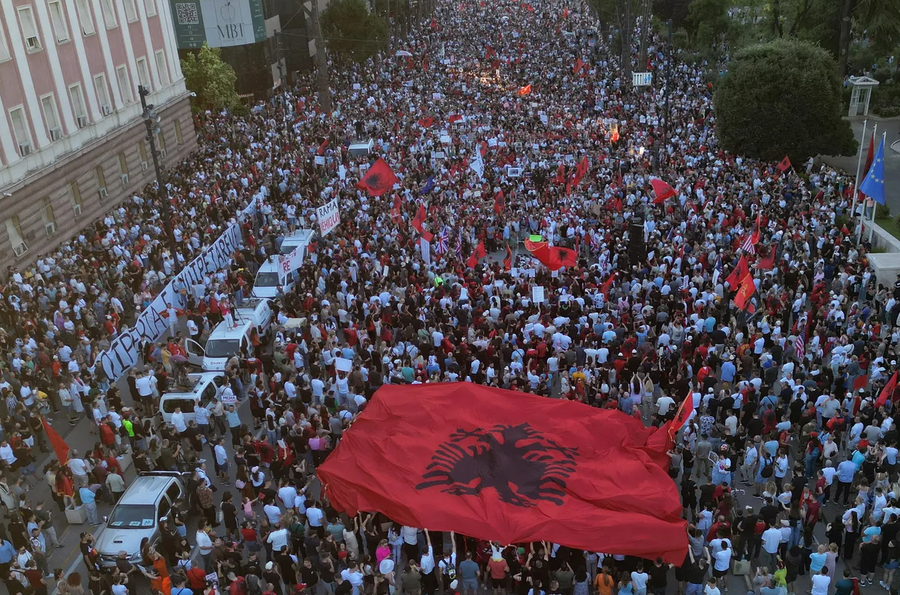
If the opposition does not understand why it was rejected, it will have an even harder time convincing citizens that the alternative it offers will be something different from the government it seeks to replace.
A protest is not simply a list of accusations against the government. When it lasts more than a month, when it gathers people beyond traditional lines, and when it refuses to become the property of a party, it turns into something else: a test for everyone. Not only for the one it opposes, but also for those who claim to be its alternative.
This protest is not simply giving public actors a “chance,” but is putting them in front of a mirror.
1. The government is showing the limits of its arrogance.
The vote it received last year is not a hunting license for four years. A parliamentary majority does not replace social legitimacy, nor does it make it unnecessary to listen to citizens.
When thousands of people go out every evening, without parties, without buses, and without paying, the system cannot attribute its dissatisfaction to polls, algorithms, or foreign agents, even though it has tried everything.
2. The traditional opposition is being shown something that until yesterday seemed unthinkable: the square is not its property.
The protesters did not ask for membership cards or permission from the opposition headquarters. In fact, in many cases, they distanced themselves from them.
If the opposition does not understand why it was rejected, it will have an even harder time convincing citizens that the alternative it offers will be something different from the government it seeks to replace.
3. The media is sending perhaps the last possible warning.
This protest was also reported mainly through a party prism, for or against, often according to who pays the bill. Citizens noticed.
Credibility is not restored by turning the table for a day. It only takes one piece of news to lose it and it takes years to gain it. It must be understood that the square is not against journalists, but against the "media product"
. These 34 days were a test for the media. How much the media passed it, the audience will show in six months.
4. It is showing big business that capitalism without social responsibility is self-destructive.
A sustainable economy cannot be built on an impoverished and dissatisfied society.
Business that has grown on monopolies, concessions, favors, and state capture has not built sustainable capital, but dependence. And dependence on favors becomes especially dangerous precisely when the state begins to fear its citizens.
5. Shoqërisë civile po i kujton distancën midis projektit dhe problemit.
Organizata që kanë punuar prej vitesh për demokracinë, transparencën, llogaridhënien dhe qeverisjen e mirë, shpesh u gjendën jashtë një lëvizjeje që kërkonte pikërisht këto gjëra.
Ndoshta sepse një gjë është gjuha e projekteve dhe një tjetër gjuha e problemeve. Një gjë është të flasësh për pjesëmarrjen qytetare në sallën e një hoteli dhe një tjetër ta njohësh atë kur të shfaqet, e paftuar, në shesh.
6. Policisë po i kujton se uniforma nuk është garanci imuniteti.
Mënyra si menaxhohet një protestë paqësore, komunikimi, proporcionaliteti, vetëpërmbajtja dhe respekti për qytetarin, bëhen pjesë e kujtesës kolektive.
Një polici që mbron shtetin duke respektuar qytetarin fiton autoritet. Një polici që përdoret si instrument i presionit politik mund të fitojë një përplasje në rrugë, por humbet diçka shumë më të vështirë për t’u rikthyer: besimin.
7. Drejtësisë po i bën pyetjen që nuk mund ta shmangë pafundësisht.
Kur do të jenë gati dosjet për çështjet e njohura publikisht, për kontratat e dyshimta, për vendimet e marra jashtë procedurave dhe për shkeljet flagrante të ligjit dhe logjikës?
SPAK-u nuk i detyrohet sheshit dhe nuk duhet të nxitohet nga presioni i rrugës. Drejtësia e diktuar nga turma nuk është drejtësi, por edhe hetimi i ngadalshëm, në dritën e qiriut, për gjëma janë bërë në dritën e diellit, e bën gjithnjë e më legjitime pyetjen: kush përfiton nga zvarritja?
8. Partive të reja po u ofron provën më të vështirë: të mos bëhen si të vjetrat.
Shenjat e para nuk janë gjithmonë inkurajuese; edhe mes zërave të rinj shfaqen reflekse të vjetra: kërkimi i liderit shpëtimtar, retorikë emocionale pa program, personalizimi i lëvizjes dhe tundimi i kultit të kryetarit.
Ndryshimi nuk dëshmohet me një logo të re dhe as me moshën e re të drejtuesit. Dëshmohet kur figura numër dy e një lëvizjeje, nëse ekziston një e tillë, mund ta kundërshtojë figurën numër një dhe të mbijetojë politikisht.
9. Vetë protestuesve, ky 34-ditësh po u tregon se zemërimi mund të kthehet në qëndresë.
Por qëndresa pa organizim dhe pa strukturë negociuese ka një datë skadimi. Kërkesat ekzistojnë. Mënyra për t’i imponuar ato ende nuk është e qartë. Sheshi mund të prodhojë presion, por presioni që nuk arrin rezultate konkrete, me kalimin e kohës, prodhon lodhje e konsumim.
Pas guximit për të dalë në shesh, vjen një guxim tjetër, ndoshta edhe më i vështirë: organizimi.
10. And the entire system, without exception, is showing that the cost of indifference has increased.
Not every protest brings down a government. The history of the Albanian transition is a witness to this. But the success of a protest is not measured only by the mechanical overthrow of a government, especially if it is replaced by another that governs in the same way.
Success is also measured by the increase in the cost of arrogance and lack of accountability.
It is measured by the fact that, next time, anyone who makes a decision on behalf of the citizens must know that the price of arrogance is no longer zero.
PS
Whatever path this movement takes, partial reform, change of government, or silent consumption, one thing has already happened and is difficult to reverse: collective expectations have changed.
Not yet the institutions, not yet the way of governance, but the expectation.
The people who took to the streets for 34 consecutive nights have learned something about themselves that the system cannot easily unlearn: that they can come out, they can stay, and they can disobey when they are told that everything will be fine. The protest may close, it may diminish, but what is certain is that it may return in other forms, for other issues, and at a higher cost to those who choose to ignore it.



Te lumte mendja dhe dora
BRAVOOOOOOOOOOO