


 Shkruar nga Ben Andoni
Rama has learned a lesson and above all, the calm of the narrative has been disrupted in the aestheticization of his politics that had given him international influence, but has also denied him the certainty of how he will negotiate alone now...
For the sake of truth, this phrase is related to a concept of art. The philosopher Habermas further developed it and further developed it from his teacher Theodor W. Adorno who thought that: “It is now obvious that everything that has to do with art is no longer clear: neither art in itself, nor art in relation to anything else, nor the right of art itself to exist”. The utopia of reconciliation had become a critical reflection of an irreconcilable state of the social world, Habermas explains. Years later, art would aestheticize politics. Among many other things, the current Albanian prime minister would challenge the model of his country by avoiding transparency altogether, within the framework of a modern development.
The past century would provide numerous examples of how art would greatly influence politics. Not only from individuals but also the impact of art. A few years ago, this phrase would be taken up by the descriptors of politics in the Balkans and would explain why we would remain in utopia for a long time in terms of reconciliation and not only. The truth is that the supposed idealism of harmony, of popular leaders attentive to the troubles of citizens (!), of shared historical truths and lasting peace, especially after the bloody dissolution of Yugoslavia in the 1990s, would require a lot of descriptive energy. Post-'90s scholars saw that this was a "utopia", since the formal institutional frameworks largely failed to translate into deep social healing. Citizens did not receive answers to their suffering, while their elected officials used institutions as extensions of policies, not at all friendly to the people. But this utopia now goes even further into the social relations that many countries have established, and the masses feel very distant from their representatives and often used.
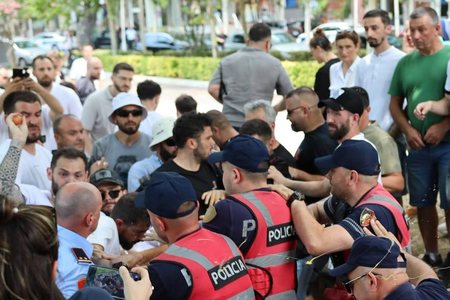
The so-called "Flamingo Revolution" should have happened in Albania for Albanian society to change and understand the great differences we have today, but also the great lack of representation for a large part of the public; the sensitivity for the exploitation of national assets and especially the extreme cynicism of the current SP and DP politics. Therefore, the mass that emerges today in the daily protest of Tirana has flattened everything in communication with the authorities and does not see and aspire to any possibility of negotiation and confrontation, much less reconciliation with the authorities, which seems to be a real utopia for a large part. The defined mass of 3.5% of the population, which affects structural changes in a society, may have been fulfilled long ago and may even constitute that "break even point", but in the Albanian reality it is not required to seek utopia but really a well-thought-out strategy for change. The numbers so far really challenge him in confronting Rama's government, but the real confrontation is the program and the different path of development. Tangible and feasible.
Utopia is like that because it talks about impossible and unattainable things. Bash and the latter are already being taken on by groups on social networks, but the challenge that is set before them remains in presenting the necessary alternative. One that does not undo what has been achieved and does not disrupt Albania's journey but gives it a boost. In a more reasonable statement about the protest, everything will be better: all it takes is to replace Prime Minister Rama. This is more or less reminiscent of the ritual of protests against Ramiz Alia, Sali Berisha, Fatos Nano and now against Rama. Now this kind of utopia must give way to rationality to push forward with reason and a program all this energy. Accompanied by a kind of grand coalition and it is even the different groups that have given life and much diversity to it. The time has come for the level of this Protest to go to the Movement and show Albanians not the stage they are in, but the change and the way to do this. If it is to do it right.
Rama has learned a lesson and, above all, the calm of the narrative has been disrupted in the aestheticization of his politics that had given him international influence, but has also denied him the certainty of how he will negotiate alone now.
Ajo që Rama nuk kuptoi është se njësoj si ai që pretendon për investime të huaja, janë të gjithë shqiptarët që i duan edhe më shumë, se vetëm kështu do na rritet niveli dhe jetesa. Teksa, kjo qeverisje e tij, sipas raporteve të Banka Botërore, e ka lënë Shqipërinë me shkallë të lartë të varfërisë relative dhe pabarazi në rritje dhe me një varësi të madhe nga remitancat! Çështjet janë të shumta, por autori beson se një nga të këqijat më të mëdha është pjesa e pronës, ajo që e mban dhe do ta mbaj peng zhvillimin normal të vendit dhe një problem asnjëherë i adresuar si duhet mirë në të 114 vitet e ekzistencës së shtetit shqiptar. Bash nga aty mund të fillojë hartimi i strategjisë dhe ndryshimi por edhe fakti që të mëshohet te utopia dhe “Shqipëria e re” që se trajton fare këtë shqetësim. Ndërkohë që adresime të ndryshme në protestë dhe përpjekja për t’u kanalizuar në shumë hapësira denoncuese thjesht po tregon objektiva të ndryshme dhe aq më shumë po e bën kryeministrin të rrëshqasë në narracione të tjera me armiq, me ndikime të huaja dhe biografi. Pushtet tashmë është hapësira dixhitale.
Larg këtyre, publiku i gjerë që po e mban lart pathosin e protestës po pret organizimin dhe platformën e vërtetë të ndryshimit apo rrugën për afrimin e shpresës. Dhe, të mos harrojmë sa nga gjërat më të këqija që ka bërë ky drejtim i sotëm ashtu si i shkuari me sistemin e spiunëve lidhet me faktin se një pjesë jo e vogël e abuzuesve më të mëdhenj të pronave, pasurive janë bashkëmoshatarët e Gjeneratës Z. Ndaj, është kaq e thjeshtë dhe po kaq cinike: Racionalizimi i një protestë që është shumë më e madhe sesa ata që mëtojnë të jenë si organizatorët e vet.
Dhe, akoma më shumë, problemi sot mbetet te ideali për një utopi që nuk funksionon, e para se drejtuesit e sotëm të politikës kanë revizionuar gjithçka, falë hapësirës dixhitale dhe mbahen shpesh dhe me narrativat e BE-së për të vërtetën e anëtarësimit të Shqipërisë. Ndërkohë masës po i lënë gjuhën e urrejtjes në rrjete që ka zënë vend dhe që ushqehet jo vetëm mes protestuesve dhe njerëzve të ndryshëm, por sistematikisht edhe nga Rama për t’u larguar nga korrupsioni i madh dhe shmangja e problematikave. Shtuar këtu që ky dialog shoqëror po bën garë për viktimizimin, ku të gjithë bëjnë garë për protagonizmin e viktimës. Jürgen Habermas në librin e tij “Një transformim i ri strukturor i sferës publike dhe Politikës Diskutuese” argumentoi se në vend që të demokratizojnë komunikimin, platformat dixhitale kanë krijuar një “sferë pseudopublike” që minon vetë themelin e pajtimit dhe debatit racional. I gjithë zhvillimi i Shqipërisë nga politika është tëhuajazuar vërtetë nga jeta. Kjo deri para një muaji, kur turma e prishi këtë gjendje duke u shkarkuar në një revoltë, bash duke sfiduar atë narracion artistik-kulturologjik-zhvillimor të Ramës duke e prishur pajtimin me këtë gjendje.
Ultimately, it is impossible to have reconciliation, in a country where citizens often feel like strangers and even further away from the "aestheticization" of politics that has exhausted people. But paradoxes bitterly confront the protest: international institutions such as the European Union present cooperation as a realistic prerequisite for EU membership, even though local realities, such as Albania's, often reduce it to an empty political ritual with small interests. This is what the "Flamingo" protest is teaching us, which is trying to become a movement with an aesthetic message, but also with a tangible spirit of change that is still far away... Ultimately, there can be no utopia of reconciliation in a country that challenges its own citizens. (Homo Albanicus)



Lini një Përgjigje