


 Shkruar nga Namir Lapardhaja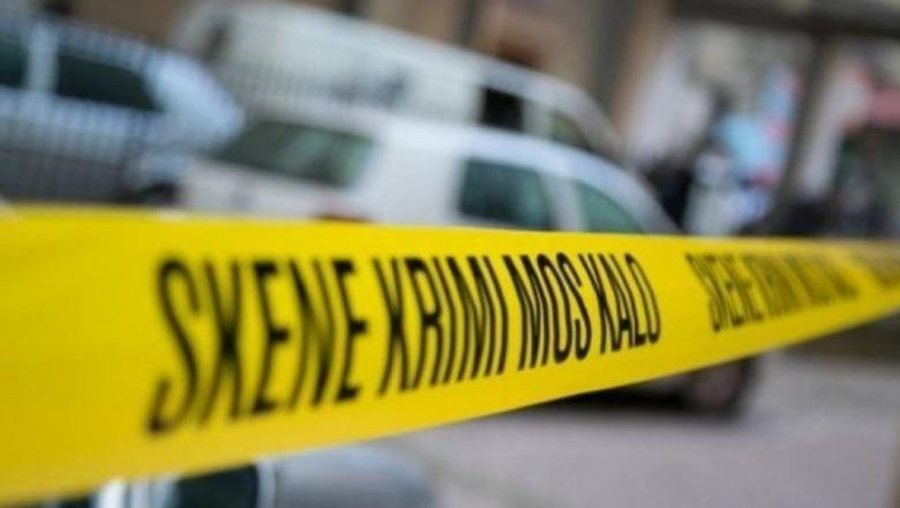
First, through the media, social networks or the virtual world, we have normalized violence, hatred and force as a means of resolving conflict. We have a loss of social balance.
The murder toll in Albania reached its peak on Tuesday, with several knife crimes following one another in a matter of hours. This horrific hysteria of violence is not the rule, but the exception to it. However, whenever such events occur, it is worth reflecting to understand why they happen and what makes this normal society appear abnormal at certain moments.
First, through the media, social networks or the virtual world, we have normalized violence, hatred and force as a means of resolving conflict. We have a loss of social balance, because people are no longer restrained by shame, by community, or by the idea of what others will say. On the contrary, aggression and violence are seen by society as prestige to be imposed.
Secondly, we are a deeply frustrated society, lacking rehabilitation institutions, care, or mental health centers. This is not just an Albanian problem, but a broader one.
It is enough to look at Europe and beyond and you understand that, regardless of what happens in Albania, we still compare well. Of course, the boiling point and the explosion can be scary, but these terrible criminal acts should also be seen by public health institutions as an alarm bell. We have children who grow up traumatized by the use of violence and its daily patterns, just as we have adults who have been indoctrinated with the idea that violence and force are the solution. He stabbed a 42-year-old man in Berat, the perpetrator's testimony comes to light: I told him not to touch the horse because he was angry, but he cursed at me from the family
Third, the extreme polarization of political rhetoric and its use of a lexicon that only emits violence and hatred cannot fail to have its impact on society, which grows with the idea of an extreme economic and social gap, which will need to be filled sooner or later.
Fourth, economic and social pressure is very high. We are a country with great anxiety and stress, uncertainty not only at work, but in everything related to our daily lives, high prices, low salaries, and a frightening economic disparity within society, which increases social discontent and stimulates violent reactions. Sociologically, people in a state of pressure and humiliation are ready to explode for completely banal reasons.
Fifth, as a society we experience a dramatic and pronounced void, which unfortunately institutions, whether state or religious, do not have the ability to fill and perform the role of a reliever and mental tranquilizer of a society burdened by the stress and anxiety of uncertainty. Unfortunately, in this country people are not treated before they become a danger, but become objects only after the fact.
Such crimes cannot be prevented 100 percent, but state institutions must have a concrete plan of measures to prevent them. On the other hand, greater awareness is required from the entire society so as not to neglect the perpetrators, who, to a large extent, before committing extreme acts, give signs and warn through their daily behavior.
In the end, it is worth emphasizing once again that as long as violence is disseminated as a model, praised as a strength, and promoted as a success, we will continue to live where murders become part of the daily chronicle. This, I believe, is our real crisis, which cannot be treated as a passing phase.





Lini një Përgjigje