


 Shkruar nga Pamfleti
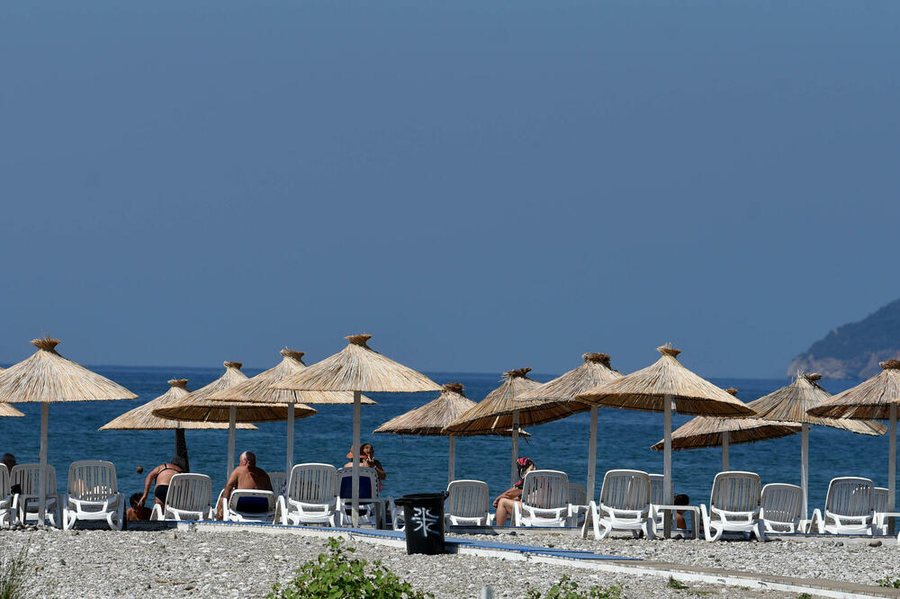
Sanctions and regional competition affect the decrease in tourism revenues in Montenegro
Montenegro is facing a significant decline in tourism, especially from the Russian market, a traditionally important segment of its economy. According to Monstat data, in 2024, the number of Russian tourists fell by 50,000 compared to the previous year, reaching 198,000 visitors. These tourists spent 2.7 million nights, a decrease of 1 million nights compared to 2023.
Main factors of decline
International sanctions and travel restrictions: Following the Russian aggression in Ukraine, many countries, including Montenegro, imposed sanctions on Russia. These measures include banning direct flights, making it more difficult for Russian tourists to visit the country.
Price increases and inflation: Despite a slight increase in daily spending for tourists (from 92 to 94 euros), inflation of 3.3% has reduced the real value of tourism revenues.
Competition from other markets: Russia has promoted alternative destinations such as Crimea and Sochi to its tourists, reducing interest in Montenegro
Impact on the tourism sector
Tourism revenues in 2024 amounted to around 1.3 billion euros, a decrease of 3.5% compared to the previous year. This decline is particularly noticeable in the private accommodation sector, where the number of nights spent fell by around 900,000.
Future prospects
Montenegro is trying to diversify its tourism markets, targeting Western European, Scandinavian and Middle Eastern countries. However, the full recovery of the tourism sector will depend on the stabilization of the geopolitical situation and the restoration of tourists' confidence in the Montenegrin destination.
Regional Competition
In this context of the decline in tourism in Montenegro, Albania is emerging as a serious competitor in the regional market. With lower prices, improved tourism infrastructure and aggressive promotion in international markets, especially in Eastern and Western Europe, Albania is attracting a large share of tourists who once frequented the Montenegrin coast. Moreover, more lenient visa policies and improved air connections with major European cities have positioned the country as an increasingly attractive alternative for holidaymakers, including those from Montenegro's traditional markets such as Russia and Ukraine./ Pamphlet




Lini një Përgjigje