


 Shkruar nga Pamfleti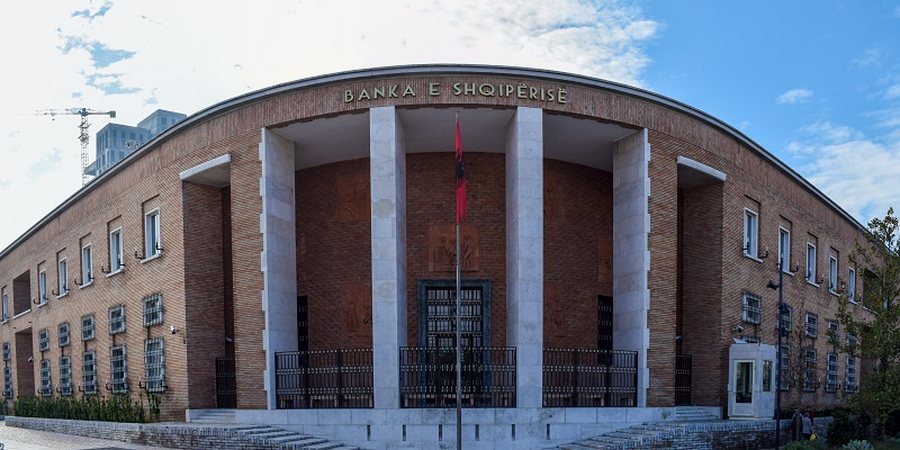
The Bank of Albania appears to be concerned that the housing market may be “overheating” with very high prices and large loans. If this continues, a “bubble” could be created, when prices artificially increase and then suddenly fall, as has happened in other countries.
The Bank of Albania has limited the loan that citizens can take to buy a house. This was announced by the Governor of the Bank of Albania, Gent Sejko, at a press conference today, who said that a ceiling was set for the loan that citizens will take to buy a house.
"We set a ceiling for the loan that citizens will receive to buy a house. We have set a ceiling for the loan installment. The maximum loan will be 85% for the first house and 80% for the second house. In foreign currency it will be 75% for the first house and 70% for the second house or more. The maximum 40% will be the loan installment in lek. The maximum 30% will be the loan installment for the one in foreign currency ," he said.
The Bank of Albania's decision to limit loans for home purchases has several economic implications that affect both citizens, the real estate market and the country's financial stability.
What new rules does the BoA decision apply?
The Bank of Albania has set new rules to limit the amount of money that citizens can borrow from banks to buy homes.
These rules include : For a first home, you can borrow up to 85% of the home's value (in lek) or 75% (in a foreign currency, such as euros). For a second home: The maximum loan is 80% (in lek) or 70% (in a foreign currency).
Monthly installment : Cannot exceed 40% of monthly income for loans in lek and 30% for loans in foreign currency.
For example, if a house costs 100,000 euros, for the first house you can borrow a maximum of 85,000 euros (in lek) or 75,000 euros (in foreign currency). Also, if a family's monthly income is 100,000 lek, the monthly loan installment cannot be higher than 40,000 lek (for a loan in lek).
What does home loan cap mean?
Protecting citizens from excessive debt : House prices in Albania have been rising, and many people are taking out large loans to buy homes. If prices fall or household incomes decrease, it may be difficult to pay the installments, risking personal bankruptcy.
Protecting banks from bad loans : If many people cannot repay their loans, banks could suffer large losses, which could destabilize the country's financial system.
Curbing the rise in house prices : By restricting loans, the Bank of Albania aims to reduce demand for houses because fewer people will be able to take out large loans. This could help keep house prices from rising as quickly.
Controlling the risk of foreign currency loans : Euro loans are risky because, if the exchange rate changes (e.g., the euro becomes more expensive), the installments can increase and become unaffordable. Therefore, restrictions on foreign currency loans are stricter.
What impact does this BoA decision have on citizens?
Fewer opportunities to buy a home: Citizens will need to have more cash on hand to buy a home, because the bank will finance a smaller percentage of the price. For example, for a 100,000 euro house, you now need to have at least 15,000-25,000 euros in savings for your first home.
Lower installments, but smaller loans: The installment limit (40% or 30% of income) means that low-income families may not qualify for large loans, preventing them from buying expensive homes.
Protection from excessive debt: This decision helps prevent people from borrowing more than they can afford, reducing the risk of losing their home if they cannot pay their installments.
What impact does it have on the real estate market?
Possible decline in demand for homes: With credit restrictions, fewer people will be able to buy homes, which could reduce demand and slow price growth.
Impact on builders and real estate agents: If demand for homes falls, construction companies and real estate agents may see a decrease in sales, which could negatively impact their businesses.
Focus on cheaper homes: With credit restrictions, there may be more interest in lower-priced homes that are more affordable for citizens.
What does this decision portend for the economy?
Potential risk in the real estate market : The Bank of Albania seems concerned that the housing market may be “overheating” with very high prices and large loans. If this continues, a “bubble” could be created, when prices artificially increase and then suddenly fall, as has happened in other countries.
Efforts for financial stability : The Bank is trying to prevent a potential crisis in the banking sector and protect citizens from unaffordable debts.
Impact on economic growth : In the short term, credit restrictions could slow economic activity, especially in the construction and real estate sectors, which are important drivers of the economy. But in the long term, this decision could help create a more stable market.
Overall, the Bank of Albania's decision to limit home loans reflects an effort to protect citizens and banks from the risks of excessive debt and to curb the rapid increase in house prices. Although it may make it more difficult for some people to buy a house, this decision aims to create a more stable market and avoid bigger problems in the future, such as the increase in bad loans or a crisis in the real estate market. For citizens, this means the need for more savings and careful financial planning when deciding to buy a house./ Pamphlet






Lini një Përgjigje