


 Shkruar nga Pamfleti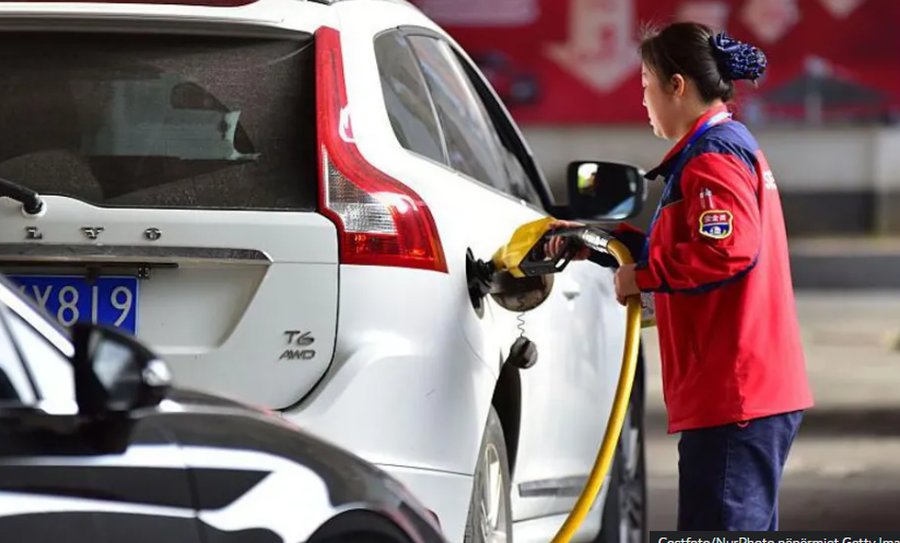
Oil prices hit their highest level since 2022 after reports that the US military will brief President Donald Trump on possible new plans for action against Iran, report Osmond Chia and Faarea Masud for the BBC.
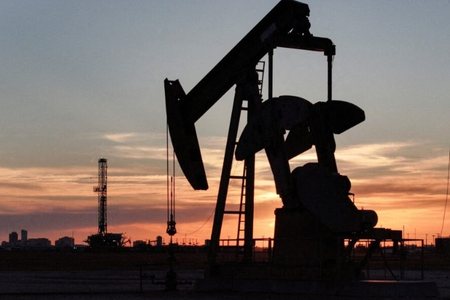
Brent crude rose almost 7%, briefly rising above $126 a barrel, before retreating later in the day. According to the Axios website, US Central Command has prepared a plan for “short and powerful” strikes on Iran, aimed at breaking the deadlock in negotiations with Tehran. The BBC has sought comment from US authorities but has not received a response.
The rise in energy prices is also linked to the stalled peace talks and the virtual blockade of the Strait of Hormuz, a key sea route for global trade. About 20% of the world's oil and liquefied natural gas usually passes through this strait.
On Thursday, the price of Brent reached $126.31 per barrel, the highest level since Russia's full-scale invasion of Ukraine. It then fell to around $114. Analysts attribute this fluctuation to the expiration of future contracts for delivery in June, while contracts for July were trading around $110 per barrel.
The rise in oil prices has had a direct impact on the cost of fuel. In the UK, petrol costs an average of 157 pence per litre, while diesel costs 188.5 pence per litre, significantly higher than before the conflict. According to the RAC, wholesale costs show that petrol is more expensive for retailers than at any time since the start of the war.
The impact extends beyond fuel. The British government is warning of possible increases in energy, food and airline prices. Some airlines have already started raising prices or reducing flights, while the price of agricultural fertiliser is rising.
According to Axios, the proposed military plans could include infrastructure targets and partial control of the Strait of Hormuz to reopen it to maritime trade. On the other hand, a statement attributed to Iran's supreme leader, Mojtaba Khamanei, emphasizes that Tehran aims to secure the strait and stop "enemy abuses."
The United States has declared that it will block Iranian ports as long as threats to ships continue, while Iran has warned of retaliation for US-Israeli air strikes.
Analysts say an escalation of the conflict remains a present risk. According to Naveen Das of Kpler, price levels near $125 per barrel are raising concerns among businesses and policymakers. Meanwhile, Susannah Streeter of Wealth Club warns that high costs could continue into next year, affecting global supply chains.
Financial markets reacted in a mixed manner: Asian stock markets fell, while European markets closed higher.






Lini një Përgjigje