


 Shkruar nga Pamfleti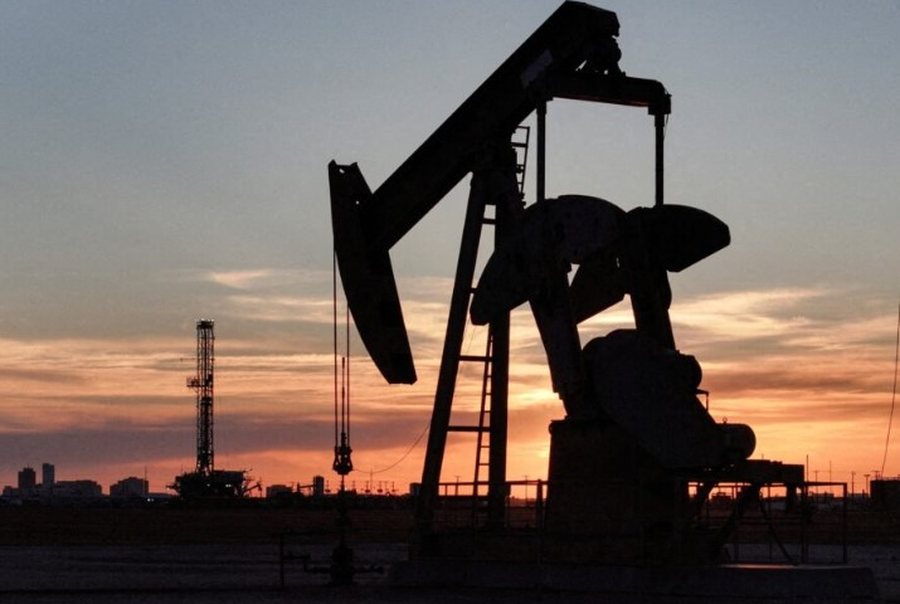
With the prolonged paralysis in the Strait of Hormuz and more aggressive rhetoric between the warring parties, the oil market is abandoning hopes for a quick return to normality, leading to a continued rise in the price of black gold.
Why do traders no longer believe in a quick solution?
Oil prices have risen sharply in recent days: Brent, the international price of oil, today exceeded $ 126 per barrel, a level not seen in four years and at the beginning of the war in Ukraine.
With the conflict in the Middle East, a large part of the world's oil supply has disappeared and as long as the blockade of the Strait of Hormuz continues, the Gulf countries' hydrocarbon exports will remain blocked.
Investors, once confident of a quick solution between the Americans and Iranians, now estimate that a reopening of the Strait in May would be too good to be true, Ole R. Hvalbye, an analyst at SEB, explained to AFP.
According to him, this new trend is explained by the lack of diplomatic progress and a "change in rhetoric" from Donald Trump, who no longer seems in a hurry to reach an agreement. According to the Axios website, the US president is expected to be briefed today on possible new military operations against Iran. In other words, the illusion of a temporary crisis has faded: markets have stopped betting on an end to hostilities to adapt to the reality of a prolonged shortage.
Is the $150 level possible?
The market seems to be currently favoring a scenario of a resumption of oil flows in June.
"And in that case, prices will not reach $150 per barrel. But if the Strait of Hormuz is not reopened and conflicts resume, it is entirely possible that the barrel will reach that level ," Jorge Leon, an analyst at Rystad Energy, told AFP.
That would make it a higher price level than the 2008 all-time record of $147.50.
Each week of delay in lifting the blockade of the Strait " adds about $5 to the average price of a barrel" in investors' scenarios, explains Hvalbye, for whom the $150 limit represents a prolonged paralysis until July.
But if the barrel reaches such a price, demand will automatically be limited, as many consumers and companies will have no choice but to significantly limit their purchases, according to the analyst.
As strategic reserves are being depleted, demand is expected to essentially adapt to a lower availability of black gold, shaping a new energy reality.
Fuel, inflation: what are the tangible impacts?
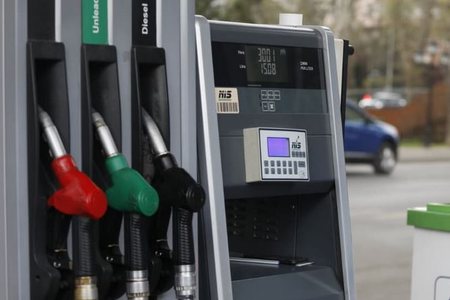
The most immediate impact is at the pump, where it is hitting drivers hard in many countries, especially in the US where the price of a gallon is a major political issue. This is also seen in energy bills.
Second, oil prices pass through production chains, through energy and transportation costs for businesses. Once they reach the final consumer, they lead to price increases. From food to clothing, inflation is on the rise.
“It’s a real vicious circle: it will end up hitting absolutely all sectors of the economy, as the role of oil is central ,” Kathleen Brooks of the XTB platform told AFP.
In addition to prices, the prolonged blockade in the Strait of Hormuz increases the risk of pump shortages and aircraft congestion during the summer season in the US and Europe, and even, if it lasts too long, causes a food crisis, especially in some African countries.
“ A huge amount of garbage is produced in the Middle East and cannot be exported ,” Kathleen Brooks points out.







Lini një Përgjigje