


 Shkruar nga Eduard Zaloshnja
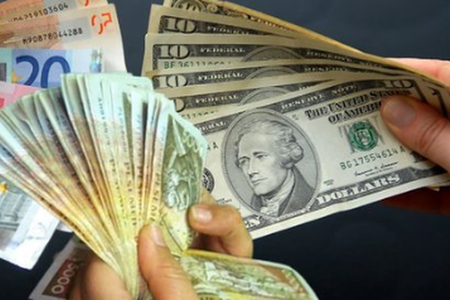
About 65% of savings deposits in second-tier banks in Albania are in Euros or equivalent currencies.
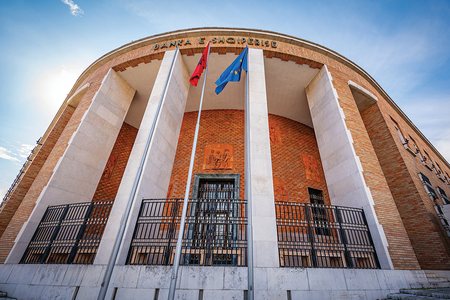
The Bank of Albania is the most powerful player in the monetary market, with a gigantic advantage over any other player in this market. With a powerful intervention by this bank in the monetary market, the Euro-Lek exchange rate could easily go 1 to 100. And such an intervention would bring the foreign exchange reserves of the Albanian state to a value that could cover up to 12 months of all imports, while not destabilizing the overall level of inflation.
But how would a Euro exchange rate of 1 to 100 affect different sectors of the economy and the population?
The agricultural sector would definitely benefit, as it would be more competitive in export markets, while also being more competitive in the domestic market against imported products (more than 35% of the country's population lives in rural areas).
The tailoring sector would definitely benefit, as it would be more competitive in export markets, while also being more competitive in the domestic market against imported products (almost 11% of the country's population benefits from the tailoring sector).
The tourism sector would also benefit, as it would be more competitive with other Mediterranean countries, while the 1:100 rate would stabilize a psychological factor for the 12 million visitors from abroad, when calculating how much they will spend in Albania (around 18% of the country's population directly or indirectly benefits from tourism).
About 65% of savings deposits in second-tier banks in Albania are in Euros or equivalent currencies. All these depositors would obviously benefit from the 1:100 rate for the Euro. All citizens who have rented premises or who have service contracts denominated in Euros would also benefit.
Last but not least, all families that rely on remittances from emigration would benefit from the 1:100 exchange rate for the Euro. Last year, remittances from emigration reached a record 1.4 billion Euros!





Lini një Përgjigje