


 Shkruar nga Pamfleti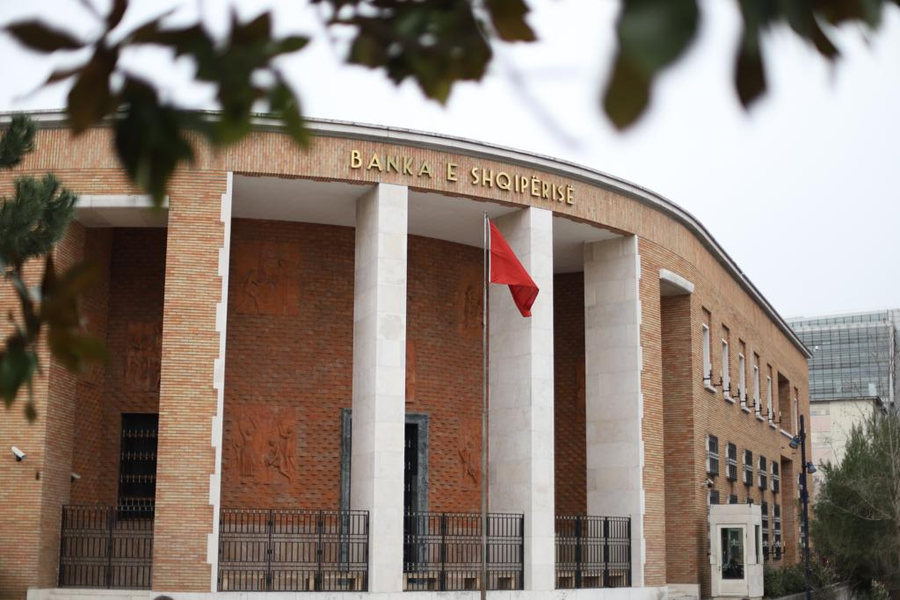
The economy has recorded positive developments during the first quarter of 2025, with an annual growth of 3.4%, driven by domestic consumption, private investments and the stable performance of the tourism sector, the Bank of Albania announced.
According to the BoA, these developments have contributed to increased employment, increased wages, and a decrease in the unemployment rate.
In the first half of 2025, the unemployment rate fell to 8.7%, from 8.8% a year earlier. As a result, the total number of employees increased by about 2% compared to the same period a year earlier. This increase came equally from both the public and private sectors.
While the annual increase in wages was around 12%, driven by growth in the public sector of around 15% and in the private sector of around 10%.
At the same time, wage levels have increased, while inflation remained below the Bank of Albania's target, with an average rate of around 2% during the period.
Assessing the economic environment and low inflation, the Bank of Albania decided in July 2025 to lower the key interest rate by 0.25 percentage points, bringing it to 2.5%, to further stimulate economic activity.
On the fiscal side, budgetary policy maintained a consolidation path, with higher-than-target revenue collection and improvement in key fiscal indicators. Public debt fell to 56% of GDP at the end of March 2025, marking an improvement compared to a year earlier.
Externally, the Albanian economy has been boosted by increased income from services, remittances, foreign direct investment, and foreign exchange reserves, which have contributed to strengthening long-term economic sustainability.
Inflows in the form of foreign direct investment reached 398 million euros, remaining at levels comparable to the previous year (397 million euros).
Gross external debt decreased during the second quarter, mainly due to the reduction of General Government liabilities. It continues to be mainly long-term and has decreased to 40.5% of GDP.
Meanwhile, financial stability indicators have remained at controlled levels, reflecting a stable and favorable macroeconomic climate for further economic development.




Lini një Përgjigje