


 Shkruar nga Pamfleti
Companies will earn $234 billion by the end of the year if the price of oil continues to average $100...
The world’s 100 biggest oil and gas companies earned more than $30 million every hour in lost profits in the first month of the US-Israeli war in Iran, according to an exclusive analysis for the Guardian. Saudi Aramco, Gazprom and ExxonMobil are among the biggest beneficiaries of this bonus, meaning that key opponents of climate action continue to thrive.
The conflict drove oil prices to an average of $100 a barrel in March, leading to a $23 billion windfall for companies in the month of war. Oil and gas supplies will take months to return to pre-war levels, and companies will earn $234 billion by the end of the year if oil prices continue to average $100. The analysis uses data from a leading intelligence provider, Rystad Energy, analyzed by Global Witness.
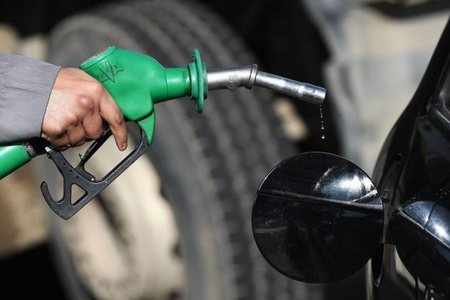
The excess profits come from the pockets of ordinary people, as they pay high prices to fill up their vehicles and power their homes, as well as from businesses facing higher energy bills. Dozens of countries have cut fuel taxes to help struggling consumers, meaning these countries, including Australia, South Africa, Italy, Brazil and Zambia, are collecting less money for public services.
Pressure is growing for windfall taxes on the war profits of oil and gas companies, with the European Commission considering a request from the finance ministers of Germany, Spain, Italy, Portugal and Austria to send a clear message that those who benefit from the consequences of war must do their part to ease the burden on the general public.
“It would make it possible to finance temporary relief, particularly for consumers, and curb rising inflation, without placing an additional burden on public budgets,” the ministers said in a letter on April 4. The EU’s fossil fuel bill has increased by 22 billion euros since the start of the Iran war.
Aramco is clearly the biggest winner, estimated to have a war profit of $25.5 billion in 2026 if the average oil price is $100. This is in addition to the huge profits that the majority Saudi state-owned company usually makes, $250 million a day between 2016 and 2023. Saudi Arabia has led decades of successful efforts to block and delay international climate action.
Tre kompani ruse, Gazprom, Rosneft dhe Lukoil, pritet të fitojnë rreth 23.9 miliardë dollarë fitime nga lufta në lidhje me Iranin deri në fund të vitit. Konflikti i ka sjellë dobi thesarit të Vladimir Putinit për luftën e tij në Ukrainë, me Rusinë që merr të ardhura nga eksporti i naftës prej 840 milionë dollarësh në ditë në mars, 50 për qind më të larta se në shkurt, sipas një analize nga Qendra për Kërkime mbi Energjinë dhe Ajrin e Pastër.
ExxonMobil, e cila ka një histori të gjatë mohimi të ndryshimeve klimatike, do të marrë 11 miliardë dollarë fitime të pafituara nga lufta në vitin 2026 nëse çmimi prej 100 dollarësh vazhdon. Shell do të marrë një rritje prej 6.8 miliardë dollarësh. Vlera e të dy kompanive, ashtu si e të tjerave, është rritur ndjeshëm për shkak të rritjes së çmimeve të aksioneve në muajin pas fillimit të luftës në Iran: ExxonMobil vlen 118 miliardë dollarë më shumë, Shell 34 miliardë dollarë më shumë.
Sipas analizës, Chevron është në rrugën e duhur për të nxjerrë fitime të papritura prej 9.2 miliardë dollarësh nga lufta në Iran. Drejtori ekzekutiv i kompanisë, Mike Wirth, gjithashtu ka përfituar, duke shitur aksione të Chevron me vlerë 104 milionë dollarë midis janarit dhe marsit.
Ndikimi i luftës në Iran ka të ngjarë të jetë afatgjatë, me kreun e Agjencisë Ndërkombëtare të Energjisë, Fatih Birol, të hënën duke e përshkruar atë si tronditjen më të madhe ndonjëherë për tregun global të energjisë.
Çmimet marramendëse të naftës dhe gazit e shtynë shefin e klimës të OKB-së, Simon Stiell, të paralajmëronte në mesin e marsit: “Varësia nga lëndët djegëse fosile po shkatërron sigurinë dhe sovranitetin kombëtar, dhe po e zëvendëson atë me nënshtrim dhe kosto në rritje.”
Ai tha se energjia e rinovueshme mund t’i izolojë njerëzit dhe kombet nga rritja e çmimeve: “Drita e diellit nuk varet nga ngushticat e ngushta dhe të cenueshme të transportit detar.”
Fitimet nga lufta në Iran për kompanitë e naftës dhe gazit i shtohen asaj që ka qenë për dekada një biznes jashtëzakonisht fitimprurës për shtetet e naftës dhe aksionarët. Sektori i naftës dhe gazit ka fituar mesatarisht 1 trilion dollarë në vit në fitim të pastër çdo vit për gjysmën e shekullit të fundit, dhe shumë më tepër në vitet e krizës si viti 2022, kur Rusia nisi pushtimin e saj në shkallë të plotë të Ukrainës. Sektori i karburanteve fosile përfiton gjithashtu nga subvencione të qarta që arritën në total 1.3 trilion dollarë në vitin 2022, sipas Fondit Monetar Ndërkombëtar.
“Momentet e krizës globale vazhdojnë të përkthehen në fitime të mëdha për kompanitë kryesore të naftës, ndërsa njerëzit e zakonshëm paguajnë çmimin. Derisa qeveritë të heqin dorë nga varësia e tyre nga lëndët djegëse fosile, e gjithë fuqia jonë blerëse do të mbahet peng i tekave të njerëzve të fortë”, tha Patrick Galey, kreu i hetimeve të lajmeve në Global Witness.
“ This oil and gas crisis is illustrating once again the cost of our dependence on unsustainable fossil fuels. Investing in net-zero emissions technologies is not only the path to permanent energy security, it is also the only way to bring the climate system back into balance. Calls to increase fossil fuel production and retreat from net-zero emissions measures in the face of this new crisis would simply undermine our energy security and increase our exposure to harmful climate impacts ,” said Jess Ralston, head of energy at the Energy and Climate Intelligence Unit.
“ Governments should use windfall profits taxes to accelerate the transition to green energy, rather than deepening dependence on fossil fuels ,” said Beth Walker, an energy policy expert at the think tank E3G.
The estimated war profits were calculated using Rystad Energy's UCube database, which integrates global field-by-field data, news and intelligence and takes into account oil and gas demand to predict how much each field can supply.
The windfall profits from the war were calculated by comparing the free cash flow generated by oil and gas production in March, when oil was averaging $100 per barrel, to the $70 price before the Iran war. This data is the estimated upstream profit, after taxes and royalties, as well as capital and operating expenses.
People in countries that are increasing their renewable energy capacity are shielded from some of the price increases and the profits of the war. Wind and solar power in the UK in March meant avoiding £1 billion in gas imports. From 2010 to 2025, wind power saved consumers around £100 billion.
Maria Pastukhova, energy transition programme leader at E3G, said that as long as homes, transport and industry remain tied to oil and gas, the UK and other fossil fuel importers remain exposed to global price shocks caused by conflict, disruptions and market “stickiness”.
“It doesn’t matter whether the molecules come from the North Sea or from overseas; the UK’s exposure remains. Therefore, greater UK fossil fuel production is a weak response to energy insecurity ,” she said./ Adapted from “The Guardian”



Te hiqete lincesa kopani private te jete ne shtete dhe hetohete mire