


 Shkruar nga Gjergj Zefi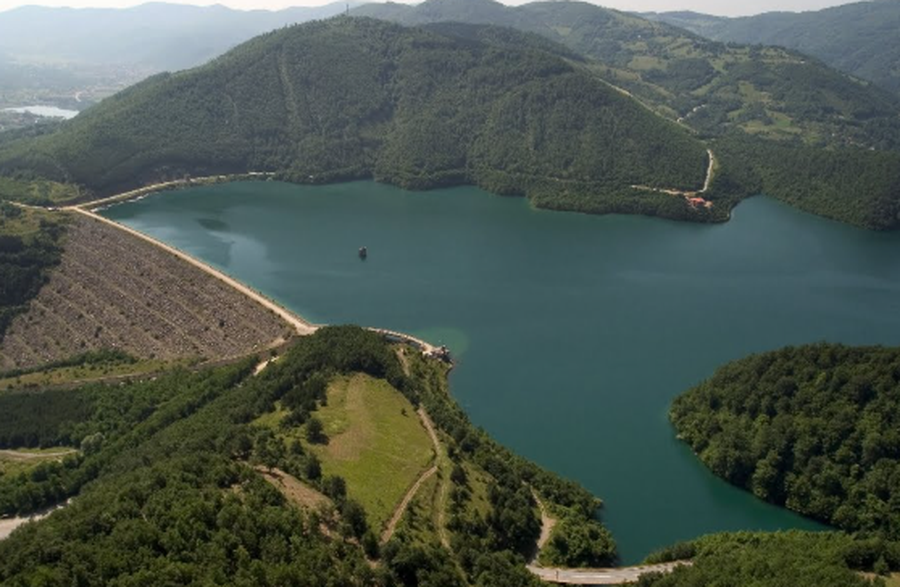
The sabotage in northern Kosovo is not an isolated incident, but part of an old policy of destabilization, tolerated by international silence...
The attacks on the Iber-Lepenc canal are not deviations, they are lessons learned. Planned, targeted, and precisely positioned over a critical point in Kosovo's vital infrastructure, these acts demonstrate more than a crime: they demonstrate a doctrine.
Serbia has been operating with the same strategy towards northern Kosovo for decades: permanent, but controlled tension; small, but repeated crises; instability that does not escalate into war, but which hinders any institutional consolidation.
In this model, every sabotage is political, even when carried out by “unknown persons”. Denial is part of the plan. Parallel structures, training of militants, media influence and security provided to local actors in the north are evidence of a destabilization enabled by the Serbian state itself, without the need for any official order to be signed.
The international response remains the same: dialogue for dialogue's sake, not for a solution. The EU and the US continue to seek short-term calm, even as provocations become systematic. This approach, which avoids direct confrontation with Belgrade, actually encourages a model of managed instability.
If an attack using 20 kg of explosives on critical infrastructure is not treated as a strategic act, but as a "local incident", then we have chosen not to understand either the message or the method.
Peace is not endangered by rhetoric, but by concrete, unjudged actions. The canal was repaired, but nothing has been repaired on the ground. Because the old model is working: create tension, deny involvement, cool the situation, repeat it again.
Northern Kosovo is not a crisis, it is a policy in continuous implementation. And the West, as long as it does not name this reality, becomes an accomplice to a permanent instability./ Pamphlet






Lini një Përgjigje