


 Shkruar nga Pamfleti
Six years ago, a 27-year-old journalist was murdered in Slovakia. What he left behind brought down a government and destroyed the system...
Ján Kuciak did not publish his last article. On February 21, 2018, he and his fiancée were found shot to death in their home in Veľká Mača. Kuciak was 27 years old and wrote for Aktuality.sk , a small portal, not among the largest in Slovakia. But over the past two years he had done something that is not often done in Slovakia: he had followed the money.

His topics were tax evasion, fraud with European funds, connections between politicians of the ruling party, SMER, and a branch of the 'Ndrangheta operating in eastern Slovakia. The writings were neither long nor ornate; filled with names, dates, companies, contracts. The kind of journalism that requires more patience than momentary courage, and above all a meticulously maintained archive.
After the murder, Slovakia took to the streets. On March 2, 25,000 people gathered in Bratislava. A week later, the protests spread to 48 cities in the country and 17 outside; in the capital alone, 60,000 protesters were counted. On March 15, Prime Minister Robert Fico and his entire cabinet resigned. But it was not the protest itself that brought down the government. It was what was found in Kuciak’s files after the murder.
Those files could not be lost. Kuciak did not keep them all in his head; he had left them written down, preserved, secured. They yielded evidence that affected not only politics, but also parts of the system that is supposed to oversee it: thirteen judges were accused of obstruction of justice and corruption; one police chief committed suicide, another was put under investigation, a third was accused of leading a criminal group. Oligarch Marian Kočner, who is accused of ordering the murder, is still on trial.
All this started with a 27-year-old without a major media outlet behind him, without powerful protectors. What he had was a way of working: not to leave traces without linking them, not to publish without having it written somewhere else.
In Albania, when this work is discussed, personal courage is often mentioned. But personal courage is fragile. What remains behind it, when done properly, is a body of documents, files, and systems that no longer depends on the person who collected them.
A journalist who builds his work on a preserved archive, outside, with people who will not be intimidated, in a form that is not hidden by a threat, makes that work irreversible. Because then it is no longer his word against anyone; it is the letters, the contracts, the accounts.
Slovakia was no more prepared for this than Albania. But there, when the murder happened, the files did not disappear. Those files did what no single protest could do: they made the system vulnerable. It was not only the politicians who were forced to flee, but also those who protected them from within.
Therefore, it is not a matter of heroism. But if the journalist works so that his work lives longer than he does. When he works like this, no order, no blow, no pressure can stop what he has started. Because the truth, when well documented, has nothing to fear. /Pamphlet





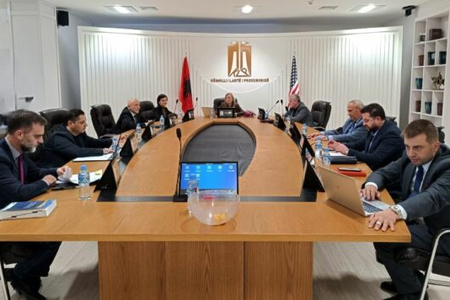
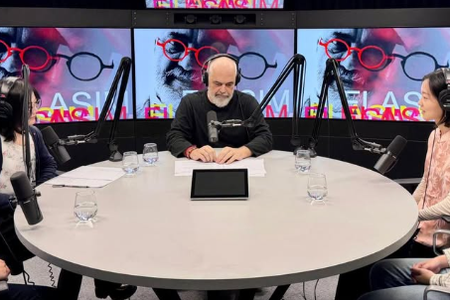

Gjergj Zefi për pak sa nuk u bë Jan Kucak. Kush e ka radhën?
Po por 4 vitr nga vrasja e çiftit, banditi autokrat Trump/Putinist Robert Fico erdhi serisht ne pushtet dhe kesaj rradhe po sigurohet qe kesi “aksidentesh” te mos i ndodhin me.
Këto gjëra janë të zakonshme në autokracitë e vendeve të ashtuquajtura demokratike të ish lindjes komuniste.Rasti për t'u përmendur është Serbia që kemi afër,që është vëllazëruar me rilindjen e plehrave të Tiranës zyrtare.Por mendoj se rasti më flagrant është Shqipëria ku politika hypën majë kalit dhe nuk zbret nga kali edhe sikur të shkundet qielli..përveçse me plumbat e Avni Rustemit,apo Vasil Laçit..Jo tregon se nuk janë vende demokratike,por autarhi afrikane.Vetëm kjo fjalë greke e shpreh mirë formën e sistemit që është instaluar në vendin tonë e edhe në disa vende të lindjes..Apo ...Lum ai që bën petulla për vete ...thonë andej nga malësia...