


 Shkruar nga William Hunter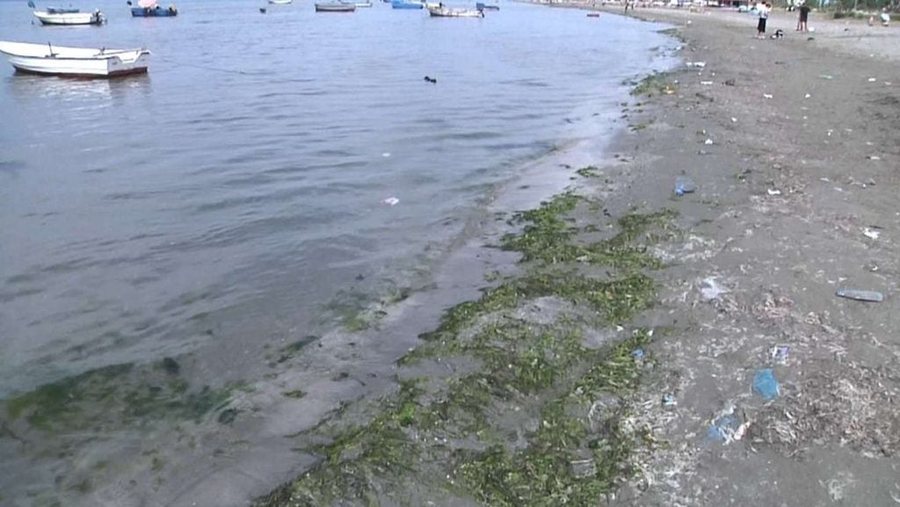
A new report on bathing water quality in Europe ranks Albania first for the highest percentage of beaches with polluted water. The data shows that 23 percent of monitored points on the Albanian coast are classified as poor quality, a level significantly higher than the European average.
If you've booked a holiday to Albania this summer, you might want to think twice before diving into the sea. A new report has revealed the dirtiest beaches in Europe, where water quality has been rated as "poor".
Albania tops the list for the worst water quality in Europe, with 23 percent of monitored bathing beaches receiving a negative rating. This figure is more than three times higher than that of the second-ranked country, Estonia, where 6.7 percent of beaches were classified as polluted.
Furthermore, only 16 percent of Albanian beaches received an “excellent” rating, while 38 percent were considered “good.” This means that Albania has significantly fewer high-quality coastal bathing areas compared to the European Union average, where around 88 percent of waters are classified as “excellent.”
However, the report brings good news for those planning a holiday in Cyprus, Lithuania or Slovenia. In these countries, 100 percent of the coastal bathing areas were rated as excellent.
These findings come from monitoring carried out in 2025 at around 22,000 bathing sites (coastal and inland waters) across EU countries, Albania and Switzerland. The so-called “Bathing Water Directive” (BWD) assesses the safety of bathing water by analysing the presence of bacteria that indicate pollution from sewage and faecal waste.
If ingested, contaminated water can cause various illnesses, including gastrointestinal problems and diarrhea, posing a serious risk to vacationers. Monitoring points are tested throughout the beach season and are classified as “poor”, “acceptable”, “good” or “excellent”, depending on the level of faecal contamination.
The results show that Europe's waters are generally safe and remain among the cleanest in the world. In total, 87.4 percent of coastal waters were classified as "excellent", while only a small proportion were found to be of poor quality.
Leena Ylä-Mononen, Director of the European Environment Agency, said: "This summer we can all enjoy the fruits of the strict enforcement of EU bathing water rules. This has meant that the vast majority of our waters are clean enough for swimming."
Travelers going on vacation to Belgium, Bulgaria, Latvia, Malta and Romania can feel relieved, as these countries did not have any coastal points classified as "weak".
For those looking closer to home, 78 percent of Ireland's coastal areas received "excellent" status, while only 0.7 percent were rated poor. Despite Albania's disappointing results, coastal waters generally remain easier to keep clean, as ocean currents help naturally wash pollutants away from the shore.
However, the situation changes significantly when it comes to inland waters. Across Europe, 78 percent of inland bathing sites were rated as “excellent”, with the majority being lakes.
Although rivers accounted for only 5.5 percent of all bathing sites in Europe, only 47 percent of them were rated as “excellent.” In Spain, 11 percent of inland water sites were considered to be of poor quality.
The worst conditions for bathing in inland waters were recorded in Croatia, with 7.1 percent of spots classified as poor, followed by France with 6 percent.
Even countries with very clean coastal waters, such as Portugal, face difficulties in maintaining the quality of their lakes and rivers. Although this European data does not include the UK, other studies show similar problems with bathing water quality.
According to DEFRA data, only two of Britain's river bathing spots had water clean enough for swimming. The rest were classified as poor and have been issued with do-not-wash warnings.
Additionally, 26 coastal locations currently have closure notices due to poor water quality. However, concerns have also been raised about locations currently classified as safe.
In May, the charity Surfers Against Sewage revealed that people have fallen ill around 6,000 times after swimming in official bathing spots over the past five years. Last year alone, 1,263 people reported illness after coming into contact with polluted water./ Pamphlet from the Daily Mail








T'i pastrojne ata qe zaptuan bregun e detit e ju vene gjoba njerezise pse shtrihen ne rere. Edhe dikur nuk ishte e privatit por pastrohej e kishe qef te shtriheshe ne rere te paster. Si i behet? Behet, behet.